


 OpenAI Investigates Rogue AI Agents After Data Leaks and Security Incidents
  Apple CEO John Ternus Plans Major Overhaul
  Illinois Delays Crypto Tax Law Until July 2027
  Goldman Sachs Names CATL, Zenergy Top China Battery Picks
  Sanofi, Regeneron Expand Drug Partnership in $8 Billion Deal
  Ripple Locks 700 Million XRP Back in Escrow After October Release
  Volvo Cars Drops Full-Year Outlook as China, US Sales Weaken
  TD Cowen Starts SpaceX at Buy, Sees AI Compute Driving Growth
  California AG Subpoenas OpenAI Over AI Cybersecurity Incidents
  Anthropic Targets $2 Trillion Valuation in Planned IPO
  Ukraine Deploys FP-7 Ballistic Missile in Combat for First Time
  Malaysia Aviation Group to Buy Airbus SAE Unit
  Putin Says Western Firms Could Regain Russian Assets
  US Backs Musk in Fight Against EU’s €120 Million X Fine
  Lula Leads Flavio Bolsonaro 48%-45% in Datafolha Poll
  Evernorth Set for Nasdaq Debut With 473 Million XRP Treasury
  El Salvador Turns to Stablecoins as Bitcoin Payments Struggle


 Add as a preferred source on Google
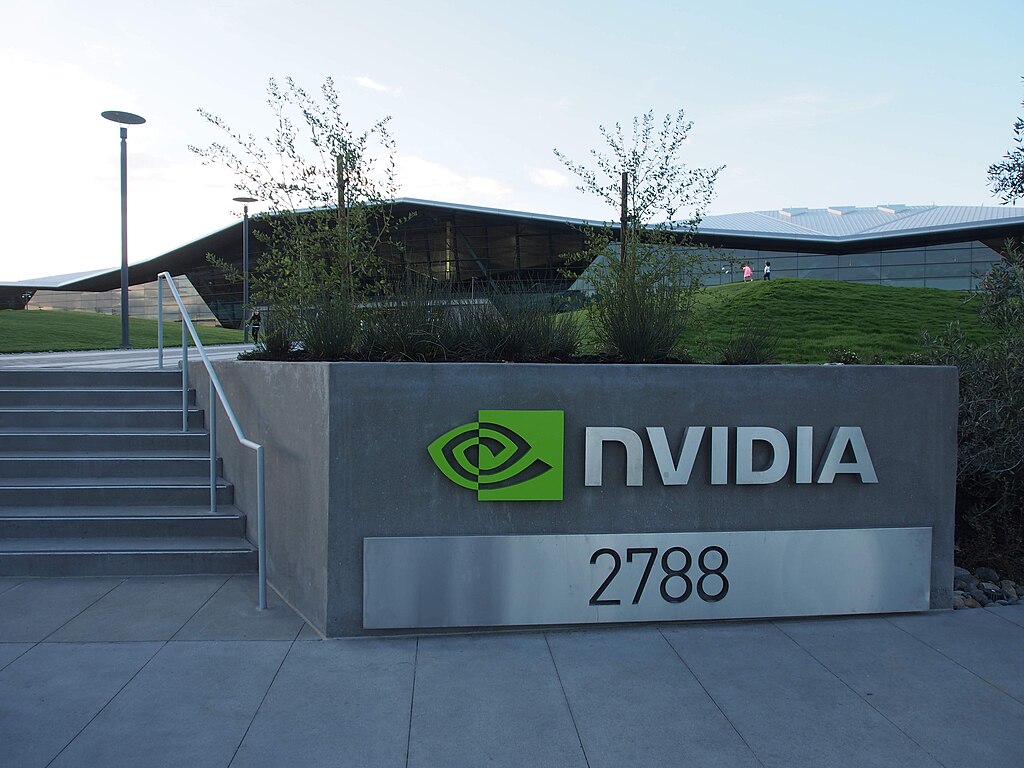
The U.S. Department of Commerce has introduced new restrictions aimed at closing a potential loophole in the export of advanced artificial intelligence chips to Chinese companies. The move is expected to affect major semiconductor firms including Nvidia (NASDAQ: NVDA) and AMD (NASDAQ: AMD), while further intensifying the ongoing technology competition between the United States and China.
According to a notice issued by the Commerce Department’s Bureau of Industry and Security (BIS), companies seeking to export advanced AI processors to organizations ultimately headquartered in China must now obtain a special license. The policy is designed to prevent Chinese firms from accessing cutting-edge AI chips through overseas subsidiaries, a route that may have allowed them to bypass existing U.S. export controls.
The latest action follows concerns that advanced AI hardware from Nvidia and AMD could have reached Chinese-linked entities operating outside mainland China. Analysts suggest that this gap in enforcement may have existed for several months, despite broader restrictions already targeting direct chip sales to China.
The United States has steadily expanded controls on advanced semiconductor exports as part of efforts to limit China’s access to technologies that could strengthen its artificial intelligence and high-performance computing capabilities. Restrictions originally introduced under the Biden administration were later tightened, while some policies were adjusted under the Trump administration.
More recently, Nvidia received approval to sell certain AI chips to a limited number of authorized customers. However, reports indicate that only a small volume of transactions has taken place under those approvals. The new licensing requirements are expected to further limit opportunities for Chinese companies to acquire advanced AI processors through indirect channels.
Meanwhile, China continues to accelerate efforts to build a self-sufficient AI ecosystem. Domestic technology companies, including Huawei, have increased investments in AI chip development and alternative computing infrastructure. Chinese AI startup DeepSeek recently claimed that its newest artificial intelligence models were designed to operate efficiently on Huawei-powered hardware, highlighting the country’s growing focus on reducing dependence on foreign semiconductor technology.
The updated U.S. policy underscores Washington’s commitment to maintaining tighter control over advanced AI chip exports while increasing pressure on Chinese firms seeking access to leading-edge semiconductor technology.







