


 Ukrainian Drone Makers Target Japan and Asia Defense Market
  OpenAI's $34B Spending Pushes AI Market Leadership Ahead of IPO
  Bolivia Declares State of Emergency as Roadblock Crisis Deepens
  Chinese Social Media Giant Xiaohongshu Eyes Hong Kong IPO at Over $70 Billion Valuation
  UN Clash Erupts as Israel Envoy Confronts UN Officials Over Blacklisting Reports
  Frank Stronach Found Guilty of Sexual Assault and Indecent Assault in Ontario Court
  Lula Maintains Lead Over Flavio Bolsonaro Ahead of Brazil’s Presidential Election, Datafolha Poll Shows
  JD Vance Delays Iran Peace Talks as U.S.-Iran War Deal Faces New Uncertainty
  AI Memory Boom Sparks Global Chip Supply Crunch
  Apple Signals Product Price Hikes Amid Rising Memory Chip Costs
  Saudi Aramco Explores Sulphur Business Stake Sale to Raise Billions
  SpaceX Surpasses Amazon in Market Value as Post-IPO Rally Accelerates
  US Military Strike in Eastern Pacific Kills Three Amid Legal and Human Rights Concerns
  Zelenskiy Returns Polish Honor as WWII History Dispute Strains Ukraine-Poland Relations
  Microsoft Taps AWS to Support GitHub Amid AI Coding Boom
  Marco Rubio to Visit Gulf Nations for Key Middle East Talks
  Trump Says He Will Visit Turkey and Return to China in 2026


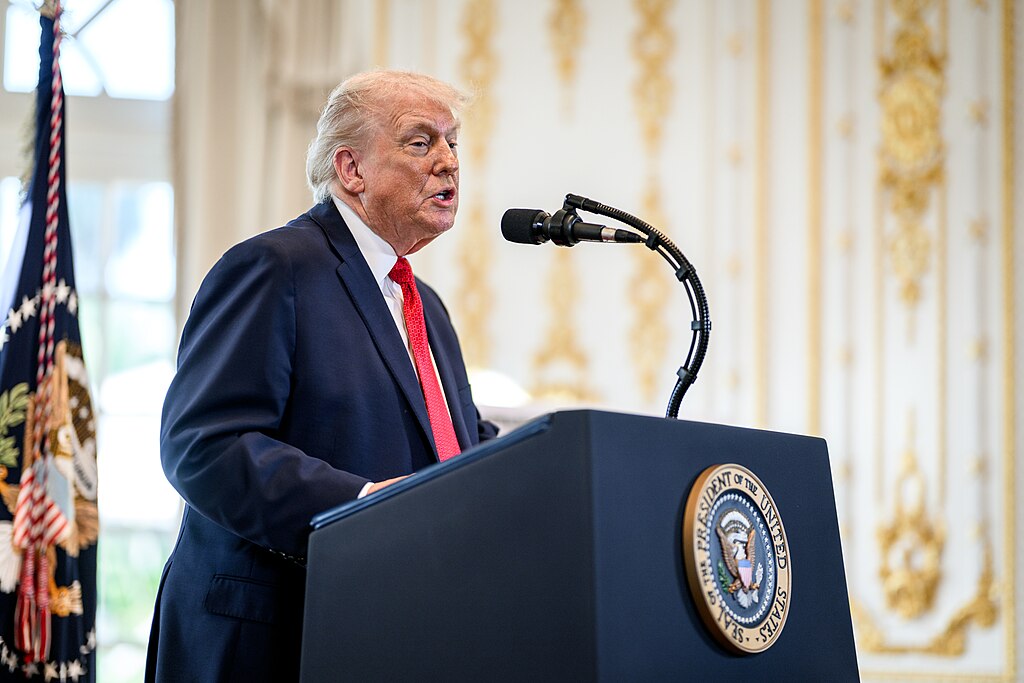
U.S. President Donald Trump said he no longer views artificial intelligence company Anthropic as a national security threat, marking a significant shift from his stance just a week earlier. The comments came during an interview with The Axios Show published on Friday, amid ongoing discussions between the AI company and the Trump administration regarding access to advanced AI models.
The remarks follow a dispute over foreign access to Anthropic’s latest AI systems, Fable 5 and Mythos 5. Earlier this month, the company suspended access to the models for all users after Trump ordered Anthropic to prevent foreign nationals from using the technology. The move sparked concerns across the AI industry about export controls and the future of advanced artificial intelligence development in the United States.
When asked whether he considered Anthropic or CEO Dario Amodei a national security threat, Trump replied, “Well, not now, but a week ago, maybe.” He added that Amodei responded to the administration’s export control requirements “very quickly” and “responsibly,” signaling approval of the company’s cooperation with federal directives.
Senior Anthropic technical staff were scheduled to meet with Trump administration officials earlier this week to discuss the restrictions and explore potential solutions. The issue has drawn attention as governments worldwide increase oversight of cutting-edge AI technologies and their potential national security implications.
Trump also met with several technology executives, including Amodei, during the G7 summit in France this week. Despite softening his stance toward Anthropic, the president did not completely rule out invoking emergency powers under the Defense Production Act (DPA) if necessary.
“I have the power to use a lot of things,” Trump told Axios. “But I’m not sure I have to do that.”
In response, an Anthropic spokesperson welcomed the administration’s engagement and emphasized the company’s commitment to working with U.S. officials. The spokesperson said Anthropic remains focused on protecting critical infrastructure, addressing AI security concerns, and ensuring the United States maintains leadership in artificial intelligence innovation.







