


 Ghislaine Maxwell to Invoke Fifth Amendment at House Oversight Committee Deposition
  Taiwan Says Moving 40% of Semiconductor Production to the U.S. Is Impossible
  Trump Slams Super Bowl Halftime Show Featuring Bad Bunny
  Trump Lifts 25% Tariff on Indian Goods in Strategic U.S.–India Trade and Energy Deal
  Trump Allows Commercial Fishing in Protected New England Waters
  U.S. Lawmakers to Review Unredacted Jeffrey Epstein DOJ Files Starting Monday
  Bangladesh Election 2026: A Turning Point After Years of Political Suppression
  Trump Signs Executive Order Threatening 25% Tariffs on Countries Trading With Iran
  Antonio José Seguro Poised for Landslide Win in Portugal Presidential Runoff
  Japan Election 2026: Sanae Takaichi Poised for Landslide Win Despite Record Snowfall
  Sydney Braces for Pro-Palestine Protests During Israeli President Isaac Herzog’s Visit
  India–U.S. Interim Trade Pact Cuts Auto Tariffs but Leaves Tesla Out
  US Pushes Ukraine-Russia Peace Talks Before Summer Amid Escalating Attacks
  New York Legalizes Medical Aid in Dying for Terminally Ill Patients
  Bosnian Serb Presidential Rerun Confirms Victory for Dodik Ally Amid Allegations of Irregularities
  Israel Approves West Bank Measures Expanding Settler Land Access


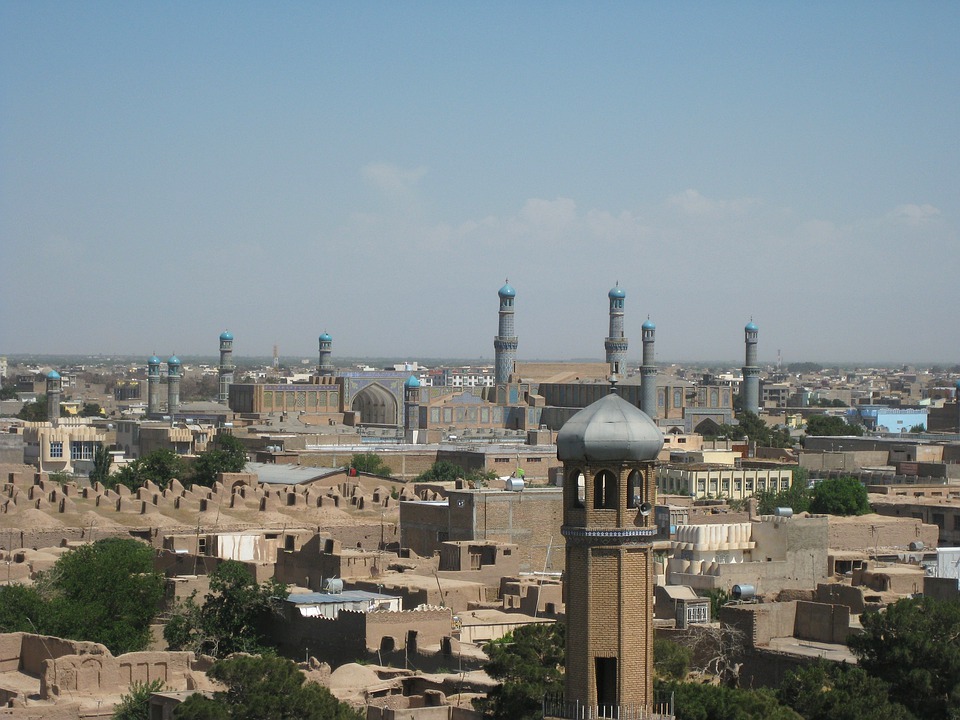
United Nations Secretary-General Antonio Guterres appointed the former president of Kyrgyzstan to become the new UN special envoy to Afghanistan. The new special envoy will replace Deborah Lyons, who already stepped down back in June.
The UN issued a statement naming former Kyrgyzstan President Roza Otunbayeva as the new UN special envoy for Afghanistan, replacing Lyons. Otunbayeva also served as Kyrgyzstan’s foreign minister.
Otunbayeva’s appointment to become the new UN envoy for Afghanistan comes at a time when the country continues to face a worsening humanitarian and economic crisis.
The crisis worsened last year as the Taliban retook control of Afghanistan on the heels of the west’s military withdrawal from the country led by the United States after nearly 20 years of conflict.
Afghanistan has also experienced domestic attacks on its religious minorities. The latest attack took place Friday last week near a mosque in western Afghanistan, killing at least 18 people and wounding 23 injured, interior ministry spokesman Abdul Nafi Takor told Reuters.
The victims in the blast at Herat included a pro-Taliban cleric who was going to the mosque for Friday prayers.
A senior US official said last week that the Biden administration would temporarily stop the temporary relocation of Afghans to the United States, instead focusing on reuniting immediate family members with pathways to citizenship.
The revised policy follows criticism from lawmakers, refugee organizations, and rights groups, that the Biden administration failed to properly plan the evacuation of Afghans who are at risk of reprisals from the insurgent group when it withdrew its military presence from Afghanistan last year.
The administration continues to maintain that the withdrawal was a success, citing that nearly 90,000 Afghans resettled in the United States in what would be the first large-scale operation.
The official reiterated that the administration remains committed to US allies in Afghanistan, adding that there is no deadline for the commitment. The revised policy is set to take effect on October 1.
The exceptions to the revised policy include Afghans who are on humanitarian parole – the program that grants temporary entry but no pathway to lawful permanent residence.













