


 South Korea Manufacturing PMI Hits 4-Year High in March 2025 Driven by Semiconductor Demand
  Novartis to Acquire Biotech Firm Excellergy in $2 Billion Deal
  RBC Capital: European Medtech Firms Show Minimal Middle East and Energy Risk Exposure
  Oil Prices Surge Over $5 as Trump Vows to Continue Iran Strikes
  Oil Prices Hold Near Multi-Year Highs Amid Iran Conflict and Hormuz Supply Fears
  Gold Prices Drop as Trump Escalates Iran Threats, Oil Surges
  Chinese Universities with PLA Ties Found Purchasing Restricted U.S. AI Chips Through Super Micro Servers
  Trump Threatens Escalation Against Iran, Warns of Infrastructure Strikes
  Trump's Iran War Speech Sparks Market Anxiety Over Extended Conflict
  Japan's Services Sector Growth Slows in March Amid Rising Middle East Tensions
  South Korea's Inflation Rises Modestly in March Amid Oil Price Pressures
  McDonald's and Restaurant Brands International Face Headwinds Amid Iran Conflict and Rising Costs
  Tesla Q1 2026 Deliveries Miss Estimates as AI Strategy Takes Center Stage
  Bank of America's $72.5M Epstein Settlement: What You Need to Know
  Norma Group Posts Revenue Decline in 2025, Eyes Modest Recovery in 2026
  U.S. Stock Futures Stabilize Ahead of Good Friday as Investors Eye Jobs Report
  Asian Currencies Weaken as Dollar Rebounds Amid Middle East Escalation


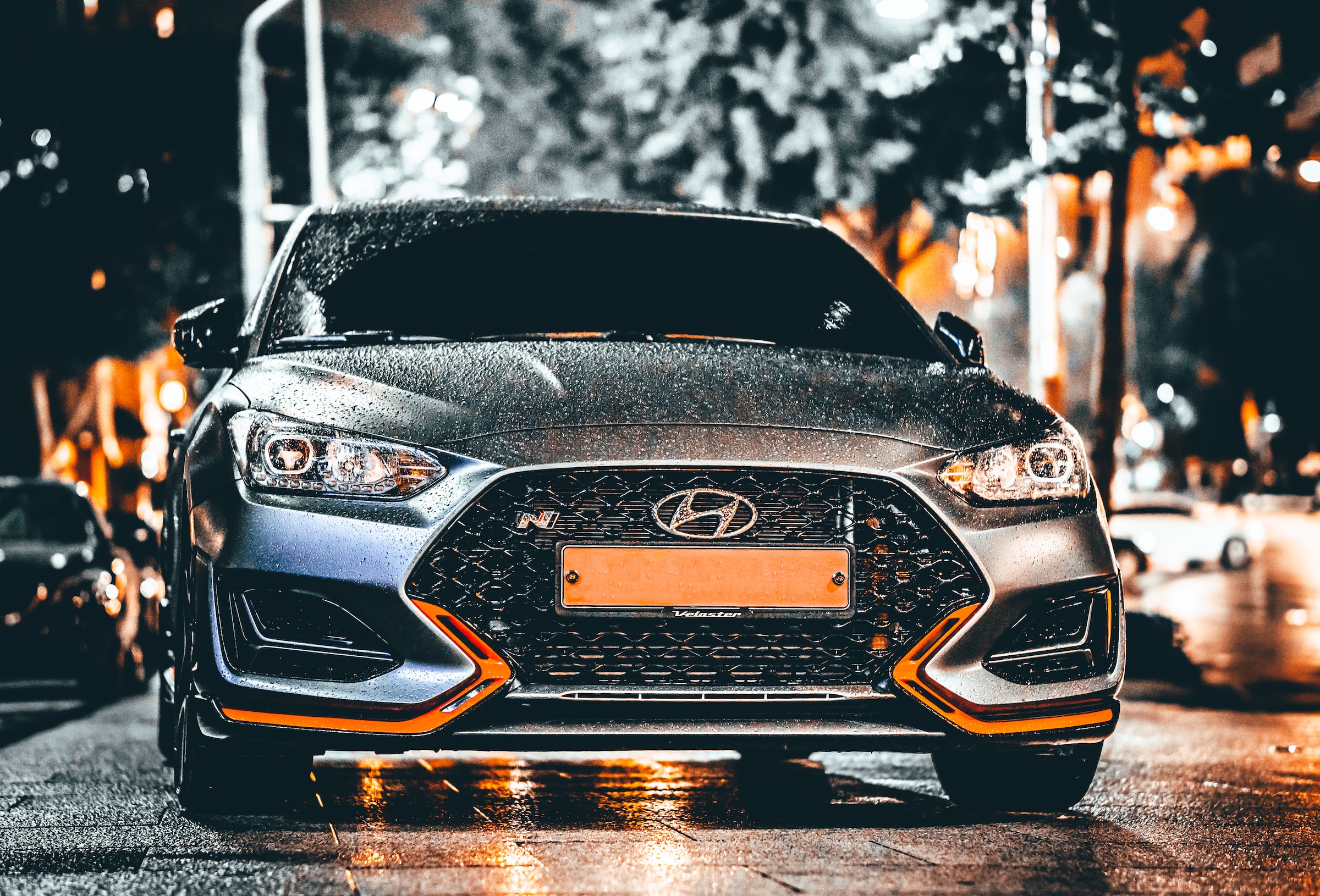
Beijing Hyundai Motor, a collaboration between Hyundai and BAIC Motor Corp., is selling its Chongqing plant for 3.68 billion yuan ($505 million), signaling a major strategic overhaul in response to China's evolving automotive market.
According to a disclosure on the China Beijing Equity Exchange, Beijing Hyundai is putting up for sale the factory's land use rights, equipment, and other facilities located in the southwestern city of Chongqing. Established in 2017 through a joint venture with Beijing Automotive Group Co, the plant boasts an annual production capacity of 300,000 units.
Facing the challenging market conditions in China, Hyundai Motor expressed its commitment to enhance profitability by optimizing its production lineups. "Hyundai Motor has been pursuing various measures to improve sales performance in China. We plan to strengthen our efforts to improve profitability through optimizing the operation of our production lineups," a Hyundai Motor spokesperson stated. As of now, no specific buyers or sale schedules have been finalized, the spokesperson added.
This strategic move follows Hyundai's announcement in June to restructure its China business further, focusing on maximizing profitability. Previously, Hyundai had a total of five plants in China, but the automaker has already sold one of them in 2021. In the future, Hyundai aims to streamline its operations, eventually operating just two plants optimized for production and exports to emerging markets.
Over the past few years, Hyundai and its affiliate Kia have faced challenges in China, with declining vehicle sales due to the market's shift towards electric vehicles. Amidst this downward trend, Tesla stands out as the only foreign brand that has increased its market share in China, according to Chinese industry data.
In July, China's passenger vehicle sales experienced a second consecutive month of contraction, as a price war and fragmented government measures failed to incentivize consumers. Beijing Hyundai's decision to sell its Chongqing plant reflects its strategic response to adapt and thrive in this challenging market environment.
Photo: RAPHAEL MAKSIAN/Unsplash







