


 Once Upon a Farm Raises Nearly $198 Million in IPO, Valued at Over $724 Million
  Sony Q3 Profit Jumps on Gaming and Image Sensors, Full-Year Outlook Raised
  South Africa Eyes ECB Repo Lines as Inflation Eases and Rate Cuts Loom
  How is Antarctica melting, exactly? Crucial details are beginning to come into focus
  Swimming in the sweet spot: how marine animals save energy on long journeys
  Dollar Near Two-Week High as Stock Rout, AI Concerns and Global Events Drive Market Volatility
  Drug pollution in water is making salmon take more risks – new research
  GesiaPlatform Launches Carbon-Neutral Lifestyle App ‘Net Zero Heroes’
  TrumpRx Website Launches to Offer Discounted Prescription Drugs for Cash-Paying Americans
  The UK is surprisingly short of water – but more reservoirs aren’t the answer
  Burkina Faso and Mali’s fabulous flora: new plant life record released
  Prudential Financial Reports Higher Q4 Profit on Strong Underwriting and Investment Gains
  Trump’s Inflation Claims Clash With Voters’ Cost-of-Living Reality
  SpaceX Prioritizes Moon Mission Before Mars as Starship Development Accelerates
  Japan Economy Poised for Q4 2025 Growth as Investment and Consumption Hold Firm
  Yen Slides as Japan Election Boosts Fiscal Stimulus Expectations
  Rio Tinto Shares Hit Record High After Ending Glencore Merger Talks


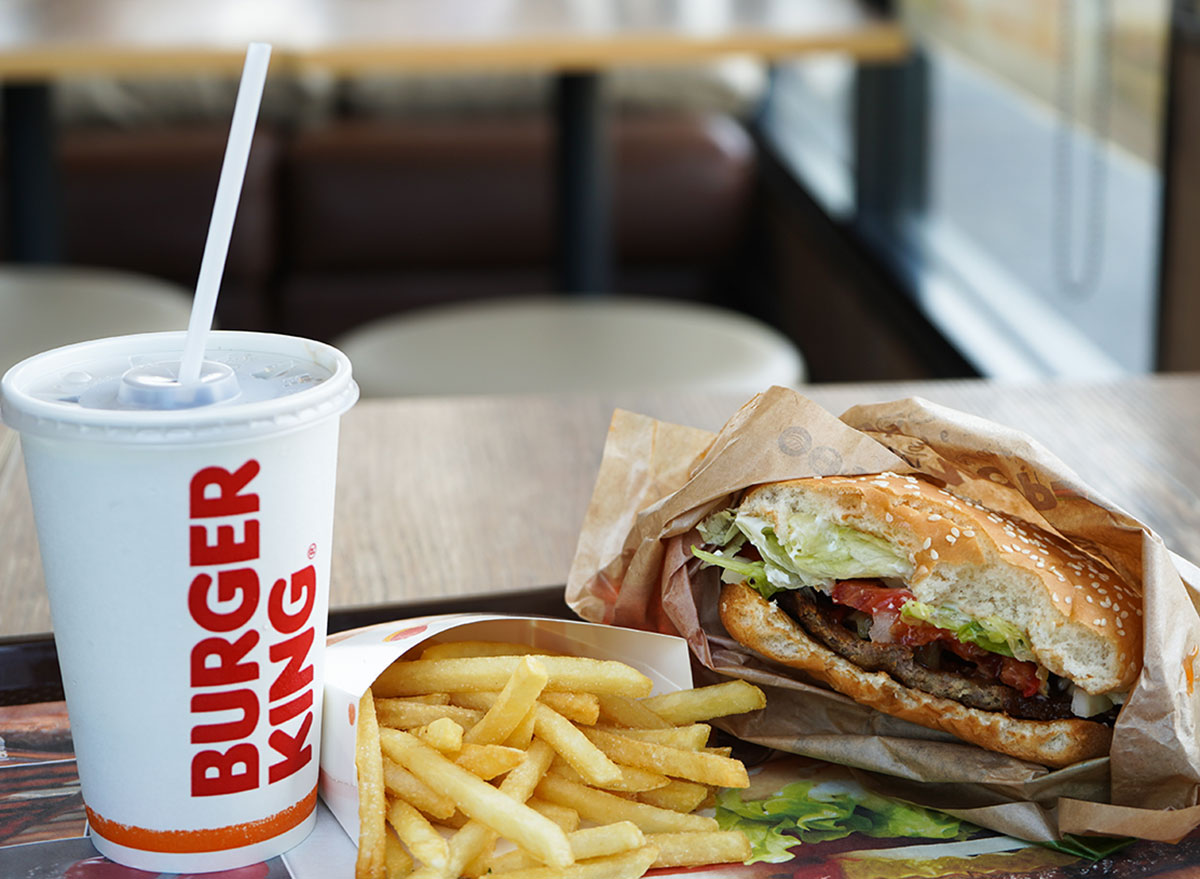
Burger King owner Restaurant Brands International, which also operates Popeyes and Tim Hortons, vowed to cut its emissions from its three big fast-food chains by 50 percent by 2030, and completely by 2050.
The Toronto-based fast-food restaurant operator will use a combination of practical strategies and long-term efforts.
The said practical efforts include replacing its gas-powered cars with electric vehicles beginning next year and changing its future restaurant prototypes to be greener.
The company is also looking to educate beef and other protein suppliers on regenerative agricultural practices that capture more carbon and feed practices that cut back on emissions.
RBI gets beef from over 50 suppliers, which in turn source from 275,000 ranches.
CEO Jose Cil said that given their size and scale as a global business, going green is something they should do from a business standpoint.
He added that the brands see the effort as a driver of engagement in each of the markets they operate.
More restaurant companies are planning to act more sustainably.
McDonald’s, Burger King’s biggest competitor, earlier this week promised to remove plastics from its Happy Meal toys. A number of chains have taken steps to source their products more sustainably and remove plastics from packaging, among many other efforts.
Many of the companies’ workforces are pushing for this.
RBI began to take this seriously based on feedback from employees and customers as this is a driver of talent acquisition and consumer engagement.
According to RBI’s chief corporate officer Duncan Fulton, the firm would work to make its restaurants use 100 percent renewable energy while its franchisees, who operate the majority of RBI's 28,000 restaurants, will target at least 50 percent.
Fulton also said the company would redesign its restaurant standards to be greener and expects operators who remodel restaurants to add emission-cutting features.













