


 FDA Says No Black Box Warning Planned for COVID-19 Vaccines Despite Safety Debate
  Neuralink Expands Brain Implant Trials with 12 Global Patients
  NASA Resumes Cygnus XL Cargo Docking with Space Station After Software Fix
  Blue Origin’s New Glenn Achieves Breakthrough Success With First NASA Mission
  Royalty Pharma Stock Rises After Acquiring Full Evrysdi Royalty Rights from PTC Therapeutics
  Neuren Pharmaceuticals Surges on U.S. Patent Win for Rare Disorder Drug
  TrumpRx.gov Highlights GLP-1 Drug Discounts but Offers Limited Savings for Most Americans
  Novo Nordisk Launches Once-Daily Wegovy Pill in U.S. at Competitive Pricing
  Eli Lilly and Novo Nordisk Battle for India’s Fast-Growing Obesity Drug Market
  Eli Lilly’s Inluriyo Gains FDA Approval for Advanced Breast Cancer Treatment
  Astronomers have discovered another puzzling interstellar object − this third one is big, bright and fast
  Innovent Biologics Shares Rally on New Eli Lilly Oncology and Immunology Deal


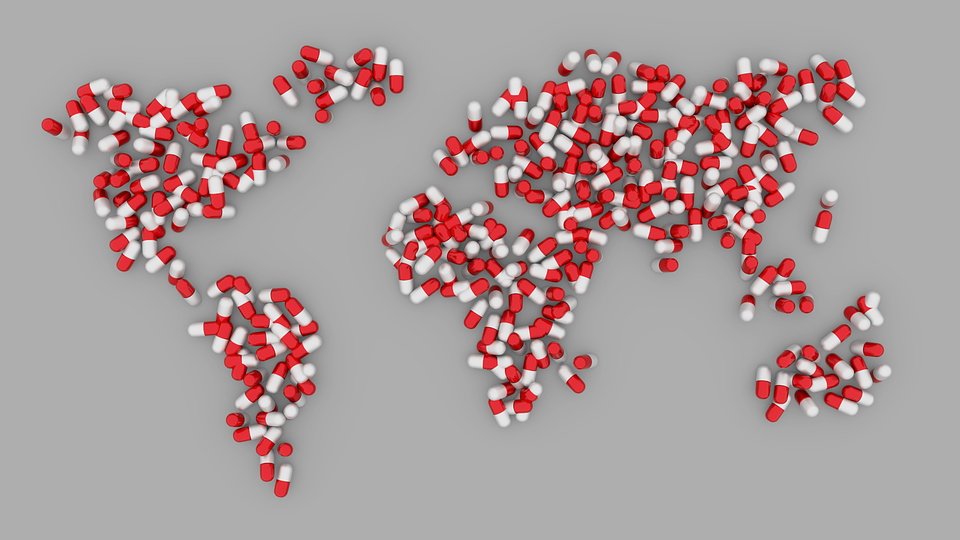
There has yet to be a cure for COVID-19, and doctors and scientists are doubling down on efforts to develop a cure or a vaccine that could put an end to the pandemic and save millions of lives. Pharmacy company Novartis has released its list of possible treatments for COVID-19, especially offered for countries with lower incomes.
Novartis recently unveiled its COVID-19 Response portfolio, aimed for countries that are in need. The portfolio would be made up of generic and over-the-counter medicines that will be sold at zero profit. This portfolio is under the pharmaceutical company’s Sandoz division and will be available as long as the pandemic goes on or until there is a cure or vaccine developed. These drugs will be to treat the symptoms found in patients suffering from the virus. There will be 79 countries that this portfolio would be made available to, and it will be distributed among NGOs, governments, and institutional customers.
Novartis chief operating officer for global health Lutz Hegemann that their purpose of releasing a COVID-19 response portfolio is that they wanted to help countries with financial difficulties, especially at this time when the pandemic has posed a major threat to the economy.
“Access to medicine can be a challenge for patients in low-and lower-middle-income countries and the situation has worsened during COVID-19. With our COVID-19 portfolio, we wish to help address the additional healthcare demands of the pandemic to help mitigate the impact on LICs and LMICs and support healthcare systems in dealing with the virus,” said Hegemann.
The drugs included are as follows: Amoxicillin, ceftriaxone, clarithromycin, colchicine, dexamethasone, dobutamine, fluconazole, heparin, levofloxacin, loperamide, pantoprazole, prednisone, prednisolone, salbutamol, and vancomycin.
Meanwhile, BBC reports that there may be a breakthrough in a potential COVID-19 cure. Southampton-based company Synairgen developed a protein treatment that makes use of a certain protein called interferon beta, coming naturally from the body when it suffers a viral infection.
The treatment would be delivered through ventilators, which can potentially trigger the immune system’s response. Based on the initial tests conducted, the findings suggest that this type of treatment potentially reduced the chances of the symptoms getting worse in a coronavirus patient by a drastic 79 percent.













