


 Supreme Court Blocks 5th Circuit Ruling on Abortion Pill Access
  RFK Jr. Orders Extended Hantavirus Quarantine for Cruise Passenger
  Alcohol is one of the most dangerous drugs, yet its presence is ubiquitous in social settings and celebrations
  Nippon Paint Reportedly Offers Up to €7.5 Billion for Akzo Nobel Decorative Paints Business
  France Battles Mediterranean Wildfires as Heatwave Fuels Fire Risk
  TrumpRx Expands Discount Drug Access With 600 Generic Medications
  Elon Musk Says Anthropic Leads AI Race as Claude Models Challenge OpenAI
  Mastercard Explores Sale of Majority Stake in UK Payments Firm Vocalink: Report
  Nvidia Tightens AI Chip Sales in Asia With Stricter Customer Approval Process
  Samsung to Launch First Yongin Chip Plant by 2029 as South Korea Speeds Up Semiconductor Hub
  SK Hynix Shares Drop After Strong Nasdaq Debut Despite $26 Billion ADR Listing
  TSMC Q2 Revenue Surges 36% as AI Chip Demand Powers Growth Ahead of Earnings
  SK Hynix Soars 13% in Nasdaq Debut After Record $26.5 Billion IPO
  AstraZeneca Shares Sink After Wainua Trial Misses Key Heart Disease Goal
  Should I take zinc or eat oysters to ward off colds, boost my immune system or improve fertility?


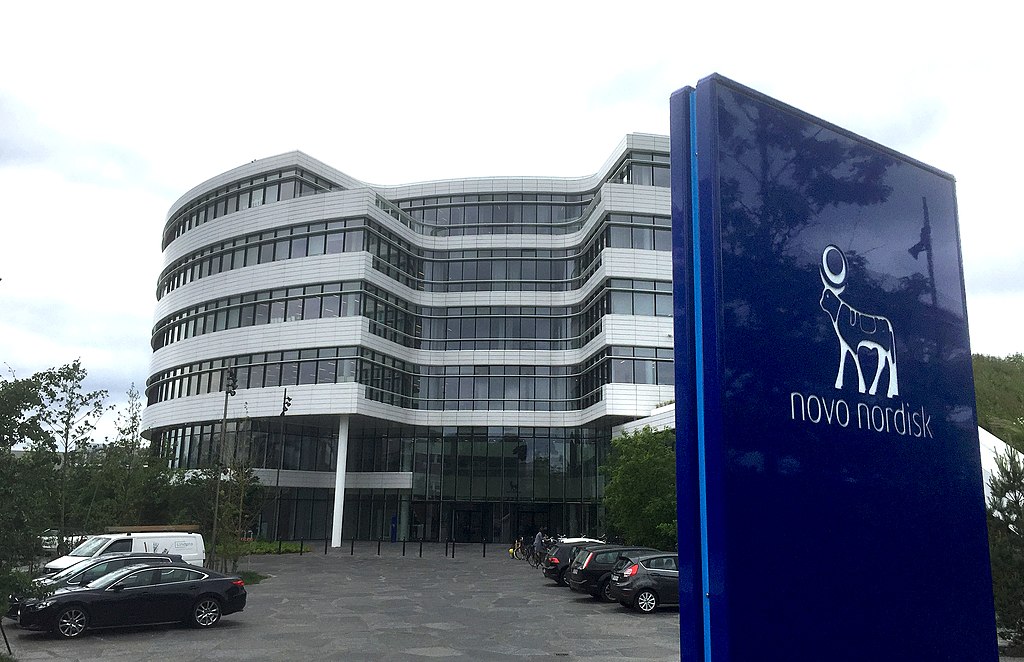
Novo Nordisk and Eli Lilly are reducing prices for their widely used obesity medications, Wegovy and Mounjaro, in China, a move that could significantly expand patient access in one of the world’s largest pharmaceutical markets. The price adjustment comes as China faces steadily rising obesity rates and growing demand for effective weight-loss treatments.
Novo Nordisk confirmed that it has begun adjusting the prices of Wegovy in China, although the company did not disclose a full breakdown of the new pricing structure. According to Chinese business news outlet Yicai, list prices for the two highest dosages of Wegovy have been reduced by as much as 48% in certain provinces. Under the reported changes, the monthly cost for these dosages has fallen to approximately 987 yuan ($141) and 1,284 yuan ($183), marking a substantial decrease compared with previous pricing.
In a statement, Novo Nordisk said the price reduction is aimed at easing the financial burden on patients and improving overall treatment accessibility. The company emphasized that the pricing adjustment aligns with its broader commitment to addressing chronic diseases such as obesity and supporting better long-term health outcomes for patients.
Chinese drug suppliers have also indicated that Eli Lilly’s obesity treatment, Mounjaro, is seeing similar price adjustments, although detailed figures have not been officially confirmed. Both Wegovy and Mounjaro are part of a new generation of GLP-1-based medications that have gained global attention for their effectiveness in weight management and metabolic health.
The price cuts could have a meaningful impact in China, where obesity and related conditions such as type 2 diabetes and cardiovascular disease are becoming more prevalent due to lifestyle changes and urbanization. Lower prices may encourage more patients to seek medical treatment rather than relying solely on diet or unregulated supplements.
For Novo Nordisk and Eli Lilly, reducing prices in China may also help strengthen their competitive positions as domestic pharmaceutical companies accelerate development of similar weight-loss drugs. Overall, the move highlights how global drugmakers are adapting pricing strategies to local markets while responding to rising demand for obesity treatments worldwide.







