


 U.S. Vaccine Policy Shifts Under RFK Jr. Create Uncertainty for Pharma and Investors
  CDC Vaccine Review Sparks Controversy Over Thimerosal Study Citation
  FDA Fast-Tracks Approval of Altria’s on! PLUS Nicotine Pouches Under New Pilot Program
  NASA and Roscosmos Chiefs Meet in Florida to Discuss Moon and ISS Cooperation
  Eli Lilly and Novo Nordisk Battle for India’s Fast-Growing Obesity Drug Market
  Is space worth the cost? Accounting experts say its value can’t be found in spreadsheets
  SpaceX Starship Explodes in Texas During Test, Citing Nitrogen Tank Failure
  Novo Nordisk Launches Once-Daily Wegovy Pill in U.S. at Competitive Pricing
  Eli Lilly’s Inluriyo Gains FDA Approval for Advanced Breast Cancer Treatment
  Sanofi Gains China Approval for Myqorzo and Redemplo, Strengthening Rare Disease Portfolio


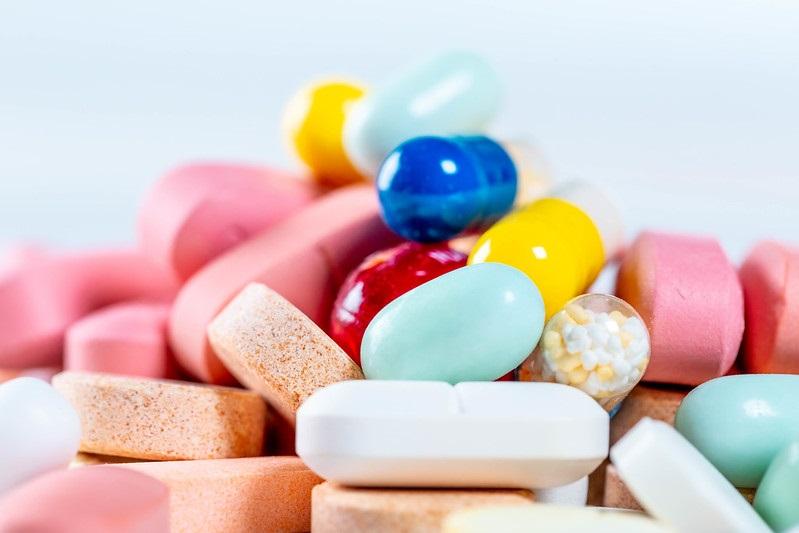
One of the things the HIV global epidemic taught humanity is that developing that one specific drug for cure can take decades and can be extremely expensive. The world was reminded of this hard truth this year when COVID-19 was declared a pandemic. A new study, however, offers new hope as scientists identify 21 existing drugs with the potential to improve treatment methods of the new disease.
Better COVID-19 treatment is possible, new study suggests
When the COVID-19 became a pandemic earlier this year, things started to look very dire quickly. A vaccine to prevent SARS-CoV-2 infection is not yet available, let alone a specific antiviral drug against the disease. However, the world is not entirely defenseless.
A study by a group of scientists was recently published in the Nature journal that found 100 molecules that hinder the replication of the virus. The research also identified 21 existing drugs that show promising results for COVID-19 treatment when administered in certain doses.
This is, so far, the largest library of known drugs seen with the potential to slow down SARS-CoV-2 replication and antiviral effect. Of the 21 drugs, 13 were found effective when administered in concentrations, and four of the compounds reportedly improve the effects of remdesivir.
The U.S. Food and Drug Administration previously granted Emergency Use Authorization for remdesivir as the standard treatment substance for COVID-19 patients. It followed a clinical trial conducted by the National Institutes of Health, where the antiviral medication “showed promising results” in treating the disease caused by SARS-CoV-2.
Further clinical testings will follow for the identified substances, but using this approach of “repurposing of known drugs,” as the paper puts, it means accelerating the response in treating COVID-19 patients around the world. “This study significantly expands the possible therapeutic options for COVID-19 patients, especially since many of the molecules already have clinical safety data in humans," said Sumit Chanda (via EurekAlert), a co-author of the study and a virologist from the Sanford Burnham Prebys Medical Discovery Institute.
COVID-19 protection: Best advice to avoid contracting coronavirus
As the saying goes, prevention is better than cure. The progress in antiviral drug and vaccine developments should not lead to complacency. Fortunately, it is possible to protect one’s self and decrease the risk of contracting the virus.
Given the known ways the virus spreads, people are advised to thoroughly wash their hands often with soap and water for at least 20 seconds every time and avoid touching the eyes, nose, and mouth. Using hand sanitizers with at least 60% alcohol content can be used when soap and water are not available. Observe at least six feet of physical distance from other people, and in places where this is not possible to maintain the use of face, coverings are recommended.
Featured photo by Marco Verch under Creative Commons license CC BY 2.0













