


 Fertile land for growing vegetables is at risk — but a scientific discovery could turn the tide
  An unexpected anomaly was found in the Pacific Ocean – and it could be a global time marker
  Asian Stocks Slip as Tech Rout Deepens, Japan Steadies Ahead of Election
  Global Markets Slide as AI, Crypto, and Precious Metals Face Heightened Volatility
  Gold and Silver Prices Rebound After Volatile Week Triggered by Fed Nomination
  Parasites are ecological dark matter – and they need protecting
  The UK is surprisingly short of water – but more reservoirs aren’t the answer
  South Africa Eyes ECB Repo Lines as Inflation Eases and Rate Cuts Loom
  Dow Hits 50,000 as U.S. Stocks Stage Strong Rebound Amid AI Volatility
  How to create a thriving forest, not box-checking ‘tree cover’
  Wildfires ignite infection risks, by weakening the body’s immune defences and spreading bugs in smoke
  Trump Lifts 25% Tariff on Indian Goods in Strategic U.S.–India Trade and Energy Deal
  China Extends Gold Buying Streak as Reserves Surge Despite Volatile Prices
  Lee Seung-heon Signals Caution on Rate Hikes, Supports Higher Property Taxes to Cool Korea’s Housing Market


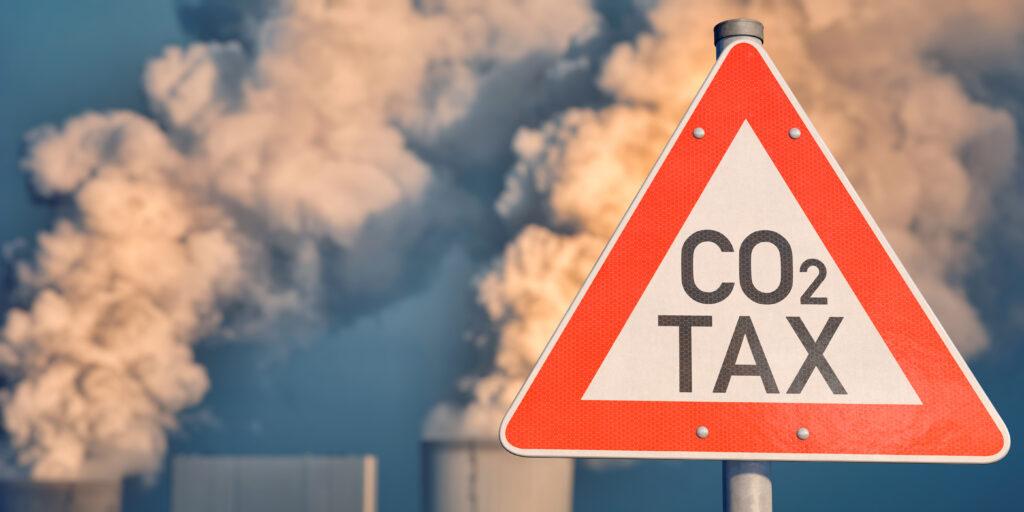
South Korean firms may face between 7.3 trillion won to 36.3 trillion won in additional taxes if the country comes up with a carbon tax law, according to Lee Soo-min, a researcher with Nice Rating.
Hardest to be hit are those from heavy industries that emit higher carbon dioxide levels, such as steel, petrochemical, and power utility companies.
A bill on carbon tax in line with EU’s Carbon Border Adjustment Mechanism (CBAM) is currently pending in the parliament.
CBAM, which will tax products responsible for higher carbon dioxide emissions during manufacturing, is set for full implementation in 2026.
Lee noted that based on the analysis of the CBAM, the amount of border tax paid to China could be up to 1.5 trillion won, while the EU and the US may aggressively tax Korean firms.
The current costs borne by Korean companies are below standards suggested by the International Monetary Fund and the World Bank, but the additional measure will further pressure local companies.













