


 Nvidia, ByteDance, and the U.S.-China AI Chip Standoff Over H200 Exports
  SpaceX Updates Starlink Privacy Policy to Allow AI Training as xAI Merger Talks and IPO Loom
  SpaceX Seeks FCC Approval for Massive Solar-Powered Satellite Network to Support AI Data Centers
  TSMC Eyes 3nm Chip Production in Japan with $17 Billion Kumamoto Investment
  Global PC Makers Eye Chinese Memory Chip Suppliers Amid Ongoing Supply Crunch
  Sony Q3 Profit Jumps on Gaming and Image Sensors, Full-Year Outlook Raised
  Anthropic Eyes $350 Billion Valuation as AI Funding and Share Sale Accelerate
  Instagram Outage Disrupts Thousands of U.S. Users
  Jensen Huang Urges Taiwan Suppliers to Boost AI Chip Production Amid Surging Demand
  SoftBank and Intel Partner to Develop Next-Generation Memory Chips for AI Data Centers
  OpenAI Expands Enterprise AI Strategy With Major Hiring Push Ahead of New Business Offering
  Tencent Shares Slide After WeChat Restricts YuanBao AI Promotional Links
  SpaceX Prioritizes Moon Mission Before Mars as Starship Development Accelerates
  Nintendo Shares Slide After Earnings Miss Raises Switch 2 Margin Concerns
  Google Cloud and Liberty Global Forge Strategic AI Partnership to Transform European Telecom Services
  Elon Musk’s SpaceX Acquires xAI in Historic Deal Uniting Space and Artificial Intelligence
  Nvidia CEO Jensen Huang Says AI Investment Boom Is Just Beginning as NVDA Shares Surge


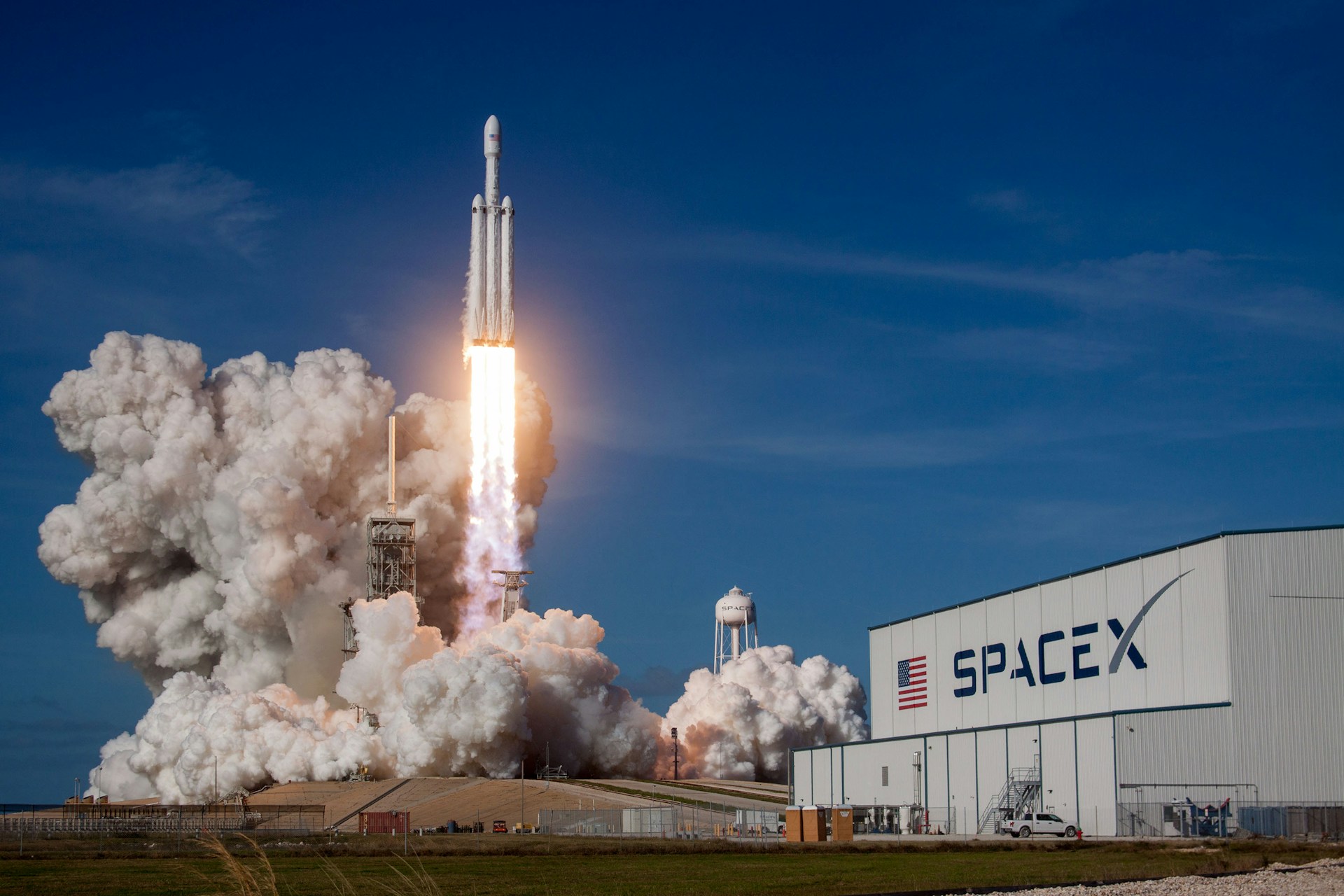
China's military and state media have accused the United States of jeopardizing global security by contracting SpaceX to develop spy satellites, highlighting escalating tensions over space and surveillance technologies.
SpaceX's Classified Satellite Project Sparks Outrage, Security Concerns from China
Reuters reported that SpaceX's Starshield unit is developing the satellite network under a classified $1.8 billion contract with the National Reconnaissance Office (NRO).
According to the People's Liberation Army's (PLA) social media account, the SpaceX program exposed the U.S.'s "shamelessness and double standards" as Washington accuses Chinese tech companies of threatening U.S. security
"We urge U.S. companies to not help a villain do evil," Junzhengping, a PLA-run account, wrote on Weibo on Sunday. The account currently has 1.1 million followers. The post stated, "All countries worldwide should be vigilant and protect against new and even bigger security threats created by the U.S. government."
The India Express, in a posted report, Wang Yanan, chief editor of Aerospace Knowledge, a magazine overseen by the ruling Communist Party, said the SpaceX satellite project posed "a challenge to global security and stability" in an interview.
"The United States' high-profile intelligence reconnaissance of countries or regions it is concerned about will inevitably cause some hot issues to become more sensitive or even escalate," Wang told The Global Times, a Chinese state-controlled newspaper, in an interview published Sunday.
Musk also runs other companies, including Tesla, with a significant manufacturing presence in China. Neither Junzhengping nor the Global Times mentioned Musk or Tesla.
NRO Silent on SpaceX Role in Surveillance Network Amid China's Security Warnings
In response to the Reuters report, the NRO acknowledged its mission of developing space-based surveillance systems but declined to comment on the extent of SpaceX's involvement, per U.S. News & World Report. In addition, SpaceX, the world's largest satellite operator, has yet to respond to several requests for comment on the contract.
The planned Starshield network is distinct from Starlink, SpaceX's expanding commercial broadband constellation that includes approximately 5,500 satellites in space to provide near-global internet access to consumers, businesses, and government agencies.
Chinese PLA researchers have spent the last two years studying the deployment of Starlink in the Ukraine conflict and have repeatedly warned about the risks it poses to China.
China has also announced plans to build its satellite constellations.
Space X, NRO, and the Pentagon did not immediately respond to inquiries about China's reaction to the contract.
Photo: SpaceX/Unsplash













