


 HHS Watchdog Reports $5.56 Billion in Healthcare Fraud Recoveries as Enforcement Actions Decline
  Trump Administration Bars U.S. Travelers From Congo Flights Amid Ebola Outbreak
  Trump Administration Hands Over Key Evidence in Minnesota Immigration Shooting Investigations
  EU Ministers Split as Support Grows for Ban on Trade With Israeli West Bank Settlements
  Trump Says U.S. Strikes on Iran Will Continue Until Nuclear Deal Is Reached
  Trump Administration Launches AI Cybersecurity Partnership to Protect Critical Infrastructure
  Russia Launches Missile and Drone Attacks on Kyiv, Zaporizhzhia, and Kharkiv
  Iranian Missile Strike on UAE Oil Tankers Kills Indian Crew Member in Strait of Hormuz
  EU to Propose New Rules Limiting Children's Access to Social Media
  Venezuela Appoints Felix Plasencia to Lead Foreign Relations and Trade
  Iraq PM Visits Washington as U.S. Oil, Gas Deals Take Center Stage
  Israel-Lebanon Talks Resume in Rome as Ceasefire and Troop Withdrawal Remain Elusive
  Trump to Deliver National Address on 2020 Election Intelligence, Voting Machine Security
  Reuters/Ipsos Poll: Most Americans Expect U.S.-Iran War to Be Prolonged
  Trump to Deliver National Address on Declassified 2020 Election Intelligence
  EU Weighs New Trade Restrictions on Israeli West Bank Settlements
  Zelenskiy Plans Ukraine Government Shake-Up as Prime Minister Svyrydenko Set to Step Down


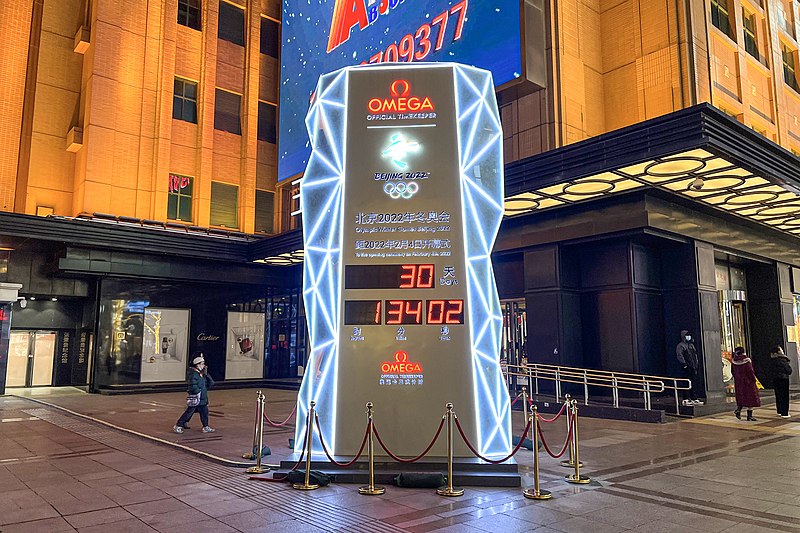
The upcoming winter Olympics in Bejing has been wrought with politicization, and other issues as athletes from all over the world are set to take part in the major sporting event. China’s state media has since accused the US of paying athletes to cause disturbances during the Olympic games.
AFP reports Chinese state media outlet China Daily, citing anonymous sources, claimed that Washington was plotting to get athletes to “play passively” or refuse to participate in events and express “discontent towards China.” The accusations come as the Beijing Winter Olympics takes place this week.
“The sources stressed that Washington’s plan is a new example demonstrating attempts by some anti-China forces in the United States to politicize sports and maliciously disrupt and spoil the Beijing Winter Olympic Games,” said the report. The outlet then said that in return for the supposed efforts, the US will offer financial compensation and will work to maintain the reputations of the athletes involved.
The US Embassy in Beijing denied the accusations made in the newspaper. In a statement to AFP, the embassy dismissed the accusations, saying that China is trying to deflect attention from its track record on human rights.
“We were not and are not coordinating a global campaign regarding participation at the Olympics,” said the embassy spokesperson. “US athletes are entitled to express themselves freely in line with the spirit and charter of the Olympics, which includes advancing human rights.”
The accusations also come as the US is leading a diplomatic boycott of the upcoming Olympic Games. While no dignitaries would be present, only the athletes would be attending. Washington has cited the human rights abuses by China towards its Uyghur Muslim community in Xinjiang that has been labeled a “genocide.”
Meanwhile, Japan’s Parliament is set to pass a resolution regarding Uyghur human rights as soon as Tuesday, according to Bloomberg. The move will likely draw the ire of Beijing, especially as the Olympic Games are around the corner.
The resolution came as a result of months of debate among the country’s political parties, underscores Japan’s struggle to balance its ties with the US and with China. Regardless of the struggle, the move to pass a resolution is also a sign that its lawmakers are keen on holding Beijing accountable for suspected human rights abuses on its minorities.







