


 UN Security Council to Vote on Strait of Hormuz Shipping Resolution Amid China Opposition
  U.S. F-15E Shot Down Over Iran: One Crew Member Recovered Amid Escalating Conflict
  Trump Administration Shakeup: Kash Patel, Daniel Driscoll, and Lori Chavez-DeRemer May Exit Cabinet
  Zelenskyy Offers Ukraine's Naval Drone Expertise to Secure the Strait of Hormuz
  Cuba Announces Release of Over 2,000 Prisoners in Second Amnesty of 2025
  U.S. Warplane Shot Down by Iran Amid Escalating Middle East Conflict
  Iran-U.S. Military Tensions Escalate as Tehran Fortifies Key Energy Infrastructure
  Iran Rejects U.S. Ceasefire Proposal Amid Ongoing Tensions
  MATCH Act Targets ASML and Chinese Chipmakers in New U.S. Export Crackdown
  U.S.-Iran War Escalates: Downed Fighter Jet, Stalled Ceasefire Talks, and Ground Invasion Fears
  Federal Judge Rules CBP Violated Warrantless Arrest Order During Sacramento Immigration Sweep
  Russia Unleashes Drone Barrage on Kharkiv, Injuring Child Among Victims
  Ukraine Frontline Holds Firm as Zelenskyy Claims March Offensive Successfully Repelled
  First Western Ship Transits Strait of Hormuz Since Iran War Began
  Australia's Social Media Ban for Under-16s Sparks Global Movement
  Army Chief of Staff Gen. Randy George Forced Into Immediate Retirement Amid U.S.-Iran War
  Trump Administration Sues Three States Over Prediction Market Regulations


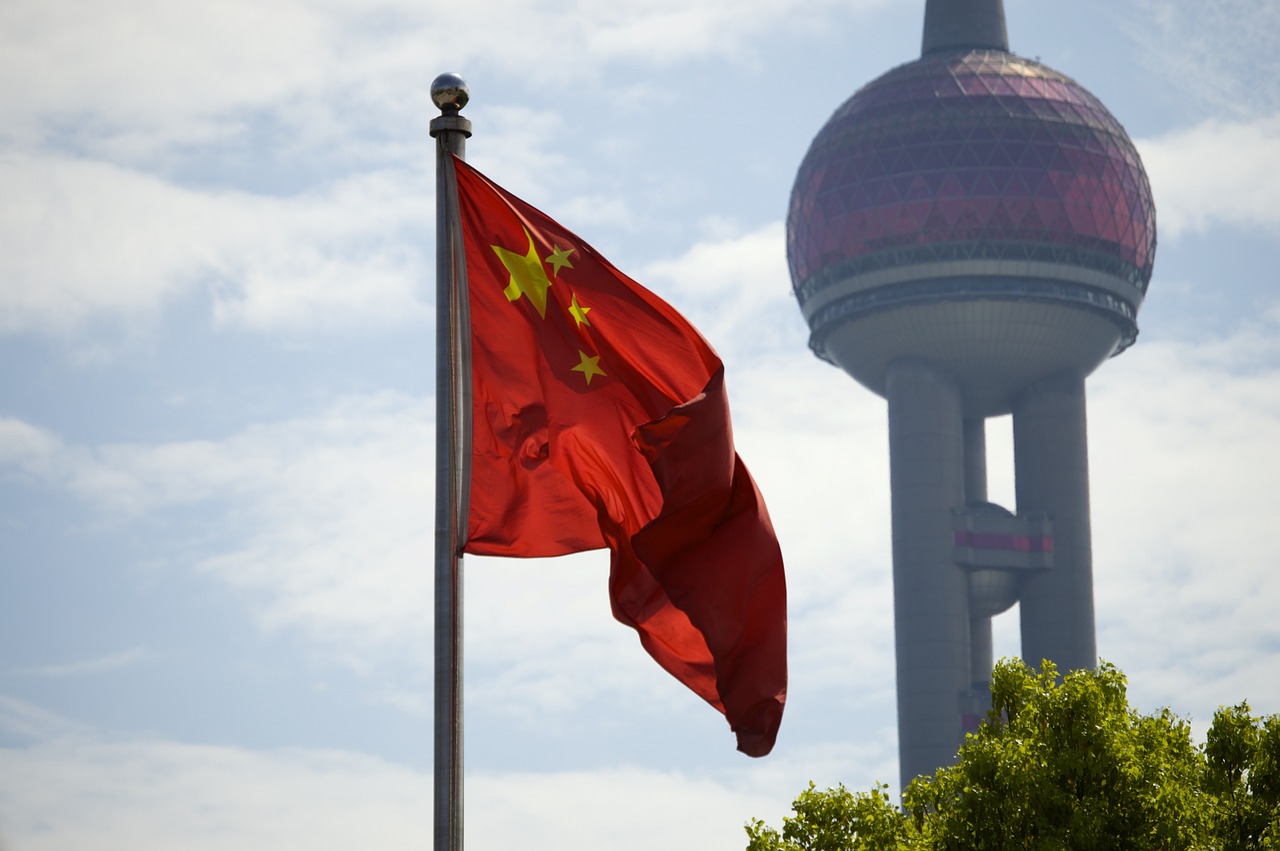
Chinese President Xi Jinping's sweeping anti-corruption campaign has claimed another senior casualty, with former Xinjiang party secretary Ma Xingrui now under formal investigation for alleged serious violations of party rules and national law. The development, confirmed by state media outlet Xinhua, marks one of the most dramatic periods of leadership upheaval China has witnessed since the Cultural Revolution — eclipsing even the turbulence of 1989.
Ma's removal leaves the Politburo with just 21 members, its leanest composition in more than 25 years. Once regarded as a promising technocrat with a distinguished career in the aerospace industry — including senior roles at China Aerospace Science and Technology Corp and a governorship in Guangdong — Ma's political trajectory took a sharp turn during his time overseeing Xinjiang. His tenure there became overshadowed by the 2022 Urumqi fire tragedy, which ignited rare nationwide protests and contributed to the eventual collapse of China's rigid zero-COVID policy.
Investigators are also scrutinizing Ma's reported ties to copper magnate Wang Wenyin, whose business empire suffered significant losses amid China's ongoing property sector downturn. These connections have led analysts to conclude that Xi's purge is no longer confined to the military establishment but is now penetrating industrial corridors and provincial governance structures.
For global investors, the opacity surrounding Chinese elite politics continues to represent a significant risk factor. Following earlier probes into senior military figures, this latest move reinforces concerns about prolonged policy uncertainty. Economists warn that sustained high-level turnover can trigger decision-making paralysis at the regional level, as officials focus on self-preservation rather than implementing economic growth strategies.
With power increasingly centralized around Xi, markets are weighing whether this consolidation will translate into bolder state-driven investment or further erode private sector confidence and foreign direct investment flows into China.







