


 Takeda Hit With $885M Verdict Over Amitiza Generic Drug Delay Scheme
  Should I take zinc or eat oysters to ward off colds, boost my immune system or improve fertility?
  DOJ Subpoenas New York Times Journalists Over Air Force One Leak Report
  Australian Business Conditions Hold Steady as Easing Cost Pressures Face New Oil Price Risks
  US Appeals Court Limits ICE Detention Without Bond Hearings After 90 Days
  Goldman Sees Foreign Investors Driving India Stock Market Recovery
  DOJ Seeks Dismissal of Fraud Charges Against Gautam Adani in U.S. Court
  DOJ Orders Crackdown on Birth Tourism After Supreme Court Upholds Birthright Citizenship
  Deutsche Bank Fined A$2 Million by ASIC Over OTC Derivatives Reporting Errors
  Judge Orders $5.8 Million Payment to E. Jean Carroll After Trump Loses Appeal Bid
  ICC Says Darfur War Crimes Probe Reaches Breakthrough in Sudan Investigation
  Trump Orders DOJ Investigation Into Exxon, Chevron Over High Gas Prices
  CDC Monitors 41 Americans After Andes Hantavirus Outbreak on Luxury Cruise Ship
  Morgan Stanley Names Marks & Spencer Top European Retail Pick, Sees Strong Upside
  GSK Reportedly Nears $9 Billion Acquisition of Cancer Drug Developer Nuvalent


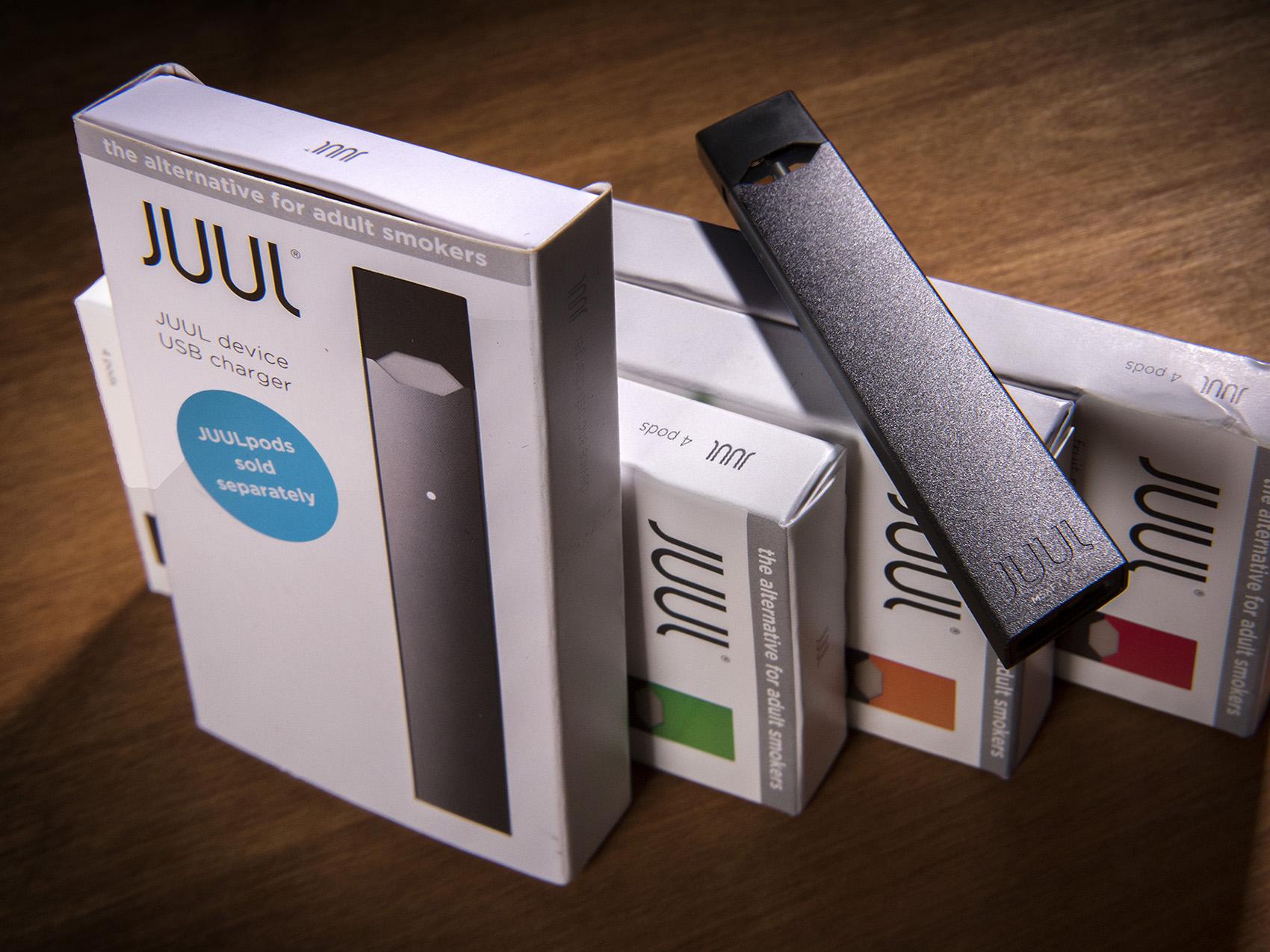
Juul Labs filed to extend the stay on the Food and Drug Administration (FDA) ban Tuesday, saying the agency did not review all the evidence it presented.
The FDA banned sales of Juul e-cigarettes Thursday, citing a lack of sufficient evidence regarding the toxicological profiles of its products.
The FDA said that Juuls provided insufficient or contradictory information about the risks of using its products in its application for market approval, including whether potentially harmful chemicals could leak from Juul pods.
A court granted Juul’s request for a temporary stay on the order the next day.
In a filing with the US District Court of Appeals for the District of Columbia Circuit, Juul alleged that the FDA disregarded more than 6,000 pages of information it provided about the aerosols produced by heating the liquid in its pods and inhaled by users.
Juul contended that if the FDA had carried out a more thorough assessment, as it did for previous applicants, it would have seen evidence proving that those substances were not detectable in the aerosol that its users inhale.
British American Tobacco and NJOY, two competing e-cigarette manufacturers, have received FDA approval for their products over the past year, despite the government rejecting some of the flavored goods those businesses submitted. The FDA claimed it gave the tobacco-flavored goods produced by those companies their approval because they showed how they could benefit adult smokers and balance the risk to consumers who are underage.
According to Juul, its rivals’ applications have all been approved, and the FDA did not explain why they were held to a different standard. Juul had been seeking approval for its vaping device and tobacco- and menthol-flavored pods.
Since 2018, Juul had been the market leader in e-cigarettes, according to Euromonitor International. The company held a 54.7 percent share of the US$9.38 billion e-vapor market since 2020.







