


 Ohio Man Indicted for Alleged Threat Against Vice President JD Vance, Faces Additional Federal Charges
  Netanyahu to Meet Trump in Washington as Iran Nuclear Talks Intensify
  Trump Signs Executive Order Threatening 25% Tariffs on Countries Trading With Iran
  Federal Judge Restores Funding for Gateway Rail Tunnel Project
  Trump Allows Commercial Fishing in Protected New England Waters
  Sydney Braces for Pro-Palestine Protests During Israeli President Isaac Herzog’s Visit
  Nicaragua Ends Visa-Free Entry for Cubans, Disrupting Key Migration Route to the U.S.
  Antonio José Seguro Poised for Landslide Win in Portugal Presidential Runoff
  Trump Backs Nexstar–Tegna Merger Amid Shifting U.S. Media Landscape
  Trump Says “Very Good Talks” Underway on Russia-Ukraine War as Peace Efforts Continue
  Trump Congratulates Japan’s First Female Prime Minister Sanae Takaichi After Historic Election Victory
  Anutin’s Bhumjaithai Party Wins Thai Election, Signals Shift Toward Political Stability
  New York Legalizes Medical Aid in Dying for Terminally Ill Patients
  Bangladesh Election 2026: A Turning Point After Years of Political Suppression
  Taiwan Says Moving 40% of Semiconductor Production to the U.S. Is Impossible
  Trump Administration Appeals Court Order to Release Hudson Tunnel Project Funding


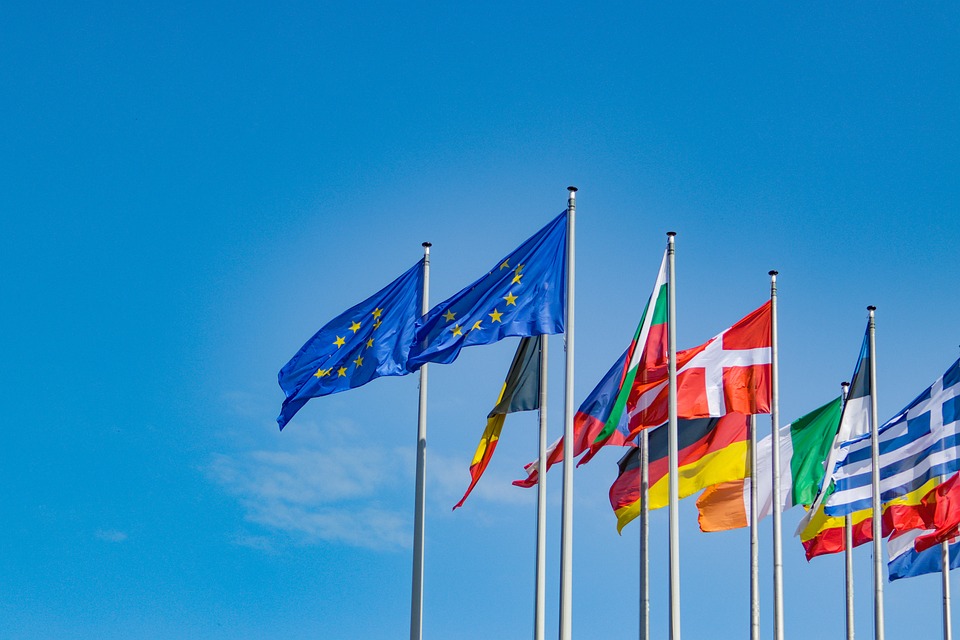
The European Union has provided Finland with funds to set up a reserve to prepare the bloc for potential threats. The reserve comes amidst the ongoing war Russia is waging on Ukraine.
The Finnish government said on Tuesday that the EU has given $262 million to set up a reserve for all the bloc’s members to prepare for potential chemical, nuclear, and radiological threats. In a statement, the European Commissioner for Crisis Management Janez Lenarcic said Russia’s invasion of Ukraine highlighted the need to strengthen the bloc’s preparedness against such threats.
The Finnish interior ministry said the reserve would be made up of rescue equipment and medical supplies, including antidotes and radiation meters that aim to protect first responders and civilians. The reserve would be ready for use by 2024 and would dispatch supplies to a disaster or crisis in need within 12 hours of an offer for assistance being accepted.
“The stockpiles to be established in Finland will improve the European Union’s strategic preparedness and readiness to respond to different kinds of threats, especially in Northern Europe and the Baltic Sea Region,” said Finnish interior minister Krista Mikkonen.
Finland shares a 1,300-kilometer border with Russia and is located close to the Baltic countries that fear a potential escalation of the nearly 11-month-long war, such as the possible use of nuclear weapons by Russia or a nuclear accident.
Meanwhile, European Commission President Ursula von der Leyen said in remarks at the World Economic Forum in Davos that the bloc needs to work and trade with China on clean technology, saying that China has prioritized boosting clean technology innovation and manufacturing, leading in sectors such as electric vehicles and solar panels.
However, von der Leyen said that competition “must be based on a level-playing field” as China had been encouraging energy-focused companies to relocate to the country with promises of cheap energy, low labor costs, and lenient regulations. The EU chief added that China subsidizes its industry and restricts access to its market for EU companies.
“We will still need to work and trade with China – especially when it comes to this transition. So we need to focus on de-risking rather than decoupling,” said von der Leyen.













