


 EU Gives Crypto Platforms Three Months to Remove USDT Under MiCA Rules
  DogecoinVM Makes DOGE Transactions 300x Faster
  Europol Warns Bitcoin Wallets Face Quantum Computing Risk
  SEC Investor Reform Validates Barry Silbert’s Tokenization Vision
  Florida Seeks Tougher Meta Rules to Protect Young Users
  Amazon Cuts More Jobs as AI Investment Expands
  Trump Orders Firing Squad Execution for Fort Hood Gunman
  David Schwartz to Reveal XRP Ledger Future at Ripple Swell 2026
  Australia Probes Flydubai Co-Pilot’s Links After FZ1073 Hijack Attempt
  US Treasury Drops Crypto Wallet Tracking Plan
  US Grants Aurora Five-Year Exemption for Self-Driving Trucks
  US Suspends Microsoft, Adobe From Green Card Program
  Zcash Privacy Demand Rises as AI Exposes Bitcoin Transactions
  Anthropic Expands Claude Access for Cyber Defense Teams
  OpenAI Annualized Revenue Hits $50 Billion, Below Earlier Estimates
  Oracle Uses Trucked Natural Gas to Power AI Data Centers Amid Pipeline Delays


 Add as a preferred source on Google
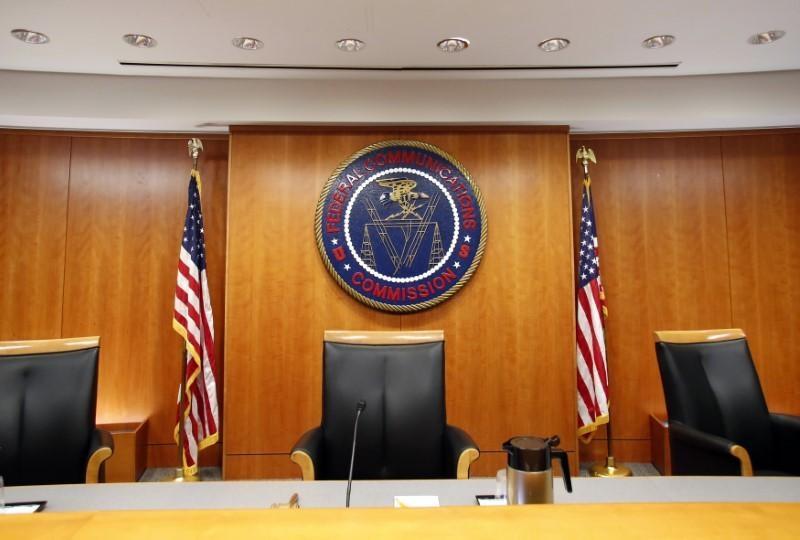
The U.S. Federal Communications Commission (FCC) has approved SpaceX’s request to deploy an additional 7,500 second-generation Starlink satellites, marking a major step forward in the company’s mission to expand global high-speed internet access. With this latest authorization, SpaceX can now operate up to 15,000 Starlink satellites worldwide, significantly strengthening the capacity and reach of its low Earth orbit (LEO) satellite internet network.
The FCC’s decision allows Elon Musk’s SpaceX to enhance its Starlink broadband service by upgrading satellite technology and expanding operational flexibility. In addition to approving the new satellites, the commission granted permission for SpaceX to operate across five different frequency bands. This move is expected to improve network performance, increase data throughput, and reduce latency for Starlink users, particularly in underserved and remote regions.
Importantly, the FCC also waived several prior regulatory requirements that limited overlapping satellite coverage. These restrictions previously constrained network density and capacity. By removing them, SpaceX can deploy satellites in ways that maximize coverage efficiency and deliver faster, more reliable internet service. The waiver is seen as a key enabler for scaling next-generation satellite broadband and meeting growing global demand.
Starlink has already become one of the most prominent satellite internet providers, offering connectivity to millions of users across dozens of countries. The Gen2 Starlink satellites are designed to deliver higher bandwidth and improved performance compared to earlier versions, supporting applications such as streaming, online gaming, remote work, and emergency communications.
The FCC emphasized that the approval aligns with its broader goal of promoting competition, innovation, and expanded broadband access. As SpaceX continues to launch new satellites, the expansion is likely to intensify competition in the satellite communications market and accelerate the rollout of global internet coverage.
Overall, the FCC’s approval represents a significant milestone for SpaceX and Starlink, reinforcing the role of satellite technology in closing the digital divide and shaping the future of global internet infrastructure.







