


 Samsung to Launch First Yongin Chip Plant by 2029 as South Korea Speeds Up Semiconductor Hub
  Yaskawa Electric Shares Slide as Weak Profit Overshadows Strong AI Demand
  Morgan Stanley Says China’s Reusable Rocket Progress Poses Long-Term Challenge to SpaceX
  SoftBank Corp Partners With Sierra to Expand AI Customer Support Across Japan
  Arm Stock Falls After HSBC Downgrade, Citing Limited Near-Term AI Upside
  SK Hynix’s $28B U.S. IPO Draws Strong Demand as AI Chip Boom Fuels Investor Interest
  Zhipu AI Stock Jumps on Report of Custom AI Chip Development Plans
  Nvidia Tightens AI Chip Sales in Asia With Stricter Customer Approval Process
  SK Hynix’s $28 Billion U.S. Share Sale Draws Massive Demand Amid AI Chip Boom
  EU to Propose New Rules Limiting Children's Access to Social Media
  Apple Sues OpenAI, Former Employees Over Alleged Trade Secret Theft
  ASML Raises 2026 Outlook as AI Chip Demand Lifts Q2 Earnings
  SK Hynix Soars 13% in Nasdaq Debut After Record $26.5 Billion IPO
  Nvidia Invests $500M in Firmus Technologies Ahead of Planned ASX IPO
  Elon Musk Says Anthropic Leads AI Race as Claude Models Challenge OpenAI
  Australia Flags Child Safety Gaps at Apple, Meta, Google Over Online Sexual Extortion


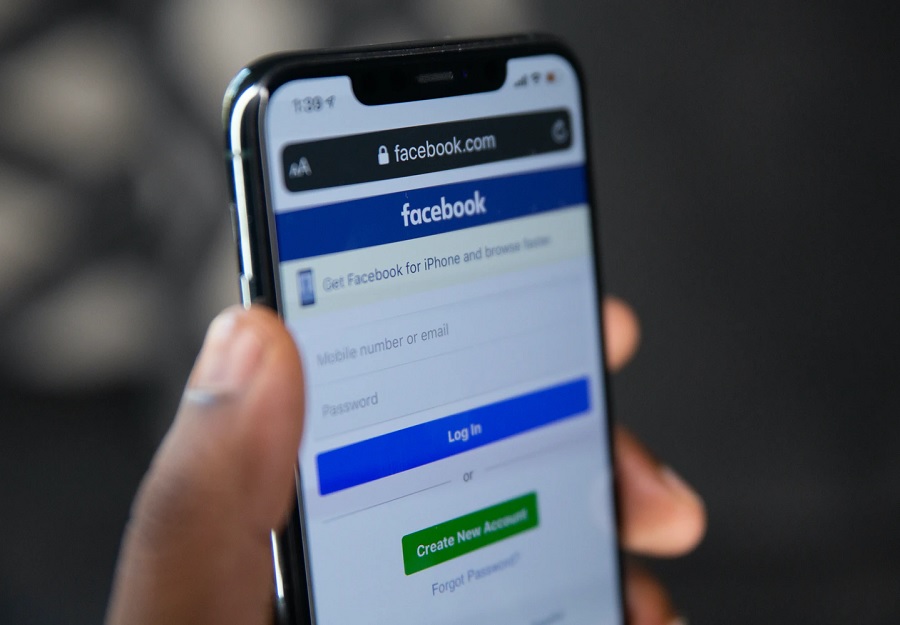
One of the most anticipated hardware products from Facebook are the augmented reality glasses that have been in the works for some years now. While the release of smart glasses is confirmed to happen in 2021, the tech company reminds consumers not to expect AR features yet.
Facebook smart glasses is launching ‘sooner than later’
One of the biggest announcements Facebook made last year confirmed that its first smart glasses are going to be released this year. In a blog post enumerating Facebook Reality Labs’ projects for 2021 and beyond, the smart glasses are mentioned once again with a promise that more information will be provided soon. While a specific release date has yet to be announced, Bosworth noted that the first official sneak peek of the Facebook smart glasses is arriving “sooner than later” this year.
What features and design to expect from Facebook smart glasses
It is important to note that the product promised to arrive in 2021 are Facebook smart glasses, not AR glasses. Facebook Reality Labs assured tech fans that the latter is still high up its priority list. But launching smart glasses first is not entirely surprising and could provide consumers a good preview of what to expect from Facebook’s AR hardware.
The official design of the Facebook smart glasses is still under wraps. But when the device was announced last September, Facebook emphasized on it representing a “classic” aesthetic from its partner companies Ray-Bans and Luxottica.
Beyond thrilled to finally share a sneak peek of our Facebook partnership with Ray-Ban! Our first smart glasses will launch next year, and that’s just the beginning… The future will be a classic and it's coming in 2021 ???? pic.twitter.com/l9992ZQGoy
— Hugo Barra (@hbarra) September 16, 2020
In an interview with Bloomberg, Bosworth refused to reveal specific details about its functions and features. However, he provided an example of how the wearable device would improve users' interaction with other people and other everyday experiences.
Bosworth said one scenario where the Facebook smart glasses would come in handy is when parents want to capture special moments of their young children. “By the time you get the phone up, not only have you probably missed it, but if you don’t miss it, you’re probably watching the real event but through your phone,” he said.
The Facebook Reality Labs head added that this situation should not become complicated with “the right technology,” obviously referring to their upcoming smart glasses. Going by his example, it appears that Facebook smart glasses would have some features similar to Snapchat’s Spectacles, which are glasses equipped with a camera capable of recording photos and videos.







