


 Indian Refiners Scale Back Russian Oil Imports as U.S.-India Trade Deal Advances
  China Extends Gold Buying Streak as Reserves Surge Despite Volatile Prices
  India–U.S. Interim Trade Pact Cuts Auto Tariffs but Leaves Tesla Out
  Australian Household Spending Dips in December as RBA Tightens Policy
  Oil Prices Slip as U.S.-Iran Talks Ease Middle East Tensions
  South Africa Eyes ECB Repo Lines as Inflation Eases and Rate Cuts Loom
  Trump Lifts 25% Tariff on Indian Goods in Strategic U.S.–India Trade and Energy Deal
  Gold and Silver Prices Rebound After Volatile Week Triggered by Fed Nomination
  U.S.-India Trade Framework Signals Major Shift in Tariffs, Energy, and Supply Chains
  Vietnam’s Trade Surplus With US Jumps as Exports Surge and China Imports Hit Record
  Dow Hits 50,000 as U.S. Stocks Stage Strong Rebound Amid AI Volatility
  UK Starting Salaries See Strongest Growth in 18 Months as Hiring Sentiment Improves
  Japan Economy Poised for Q4 2025 Growth as Investment and Consumption Hold Firm
  Russian Stocks End Mixed as MOEX Index Closes Flat Amid Commodity Strength
  RBI Holds Repo Rate at 5.25% as India’s Growth Outlook Strengthens After U.S. Trade Deal
  Global Markets Slide as AI, Crypto, and Precious Metals Face Heightened Volatility


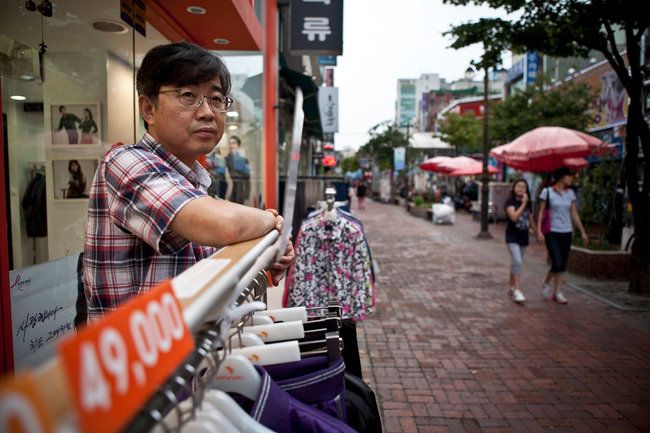
Yonsei University economics professor Kim Jung-sik warned that prolonged social distancing measures will push small business operators and private companies to the brink of bankruptcy, prompting an increase in bad loans, causing insolvencies at local lenders.
The South Korean government has decided to extend the current Level 2 social distancing until Sept. 6 in Seoul and the surrounding area, while adding stricter rules for eight days beginning Sunday, a move widely viewed as “Level 2.5” on the three-tier system.
The move would be particularly devastating to sales of small business operators and consumer spending.
Sales of small enterprises declined by 24.7 percent on-year in mid-August, the biggest drop since February.
Their suppliers of goods and services are also vulnerable to the economic disruptions driven by social distancing.
Production in the services sector is expected to extend the downtrend in March and April of 5 and 6.1 percent drops from a year earlier.
More sluggish consumer spending and industrial output would place workers at higher risk of job losses, especially in the service sector that requires face-to-face transactions.
South Korea lost nearly 277,000 jobs in July compared to the previous year, mostly in the accommodation and food service segment, as well as the wholesale and retail industry.
If social distancing reaches Level 3, the local economy will show a state of panic, experts say.
According to the latest research report of KB Securities, imposing a Level 3 social distancing in metropolitan areas and nationwide for about two weeks, will cause the economy to contract by 0.4 percent and 0.8 percent on-year.
Level 3 social distancing bans gatherings of 10 or more people and requires businesses, public facilities, including schools and kindergartens to be closed. Workers of private companies would need to work from home.













