


 U.S. Stock Futures Rise as Markets Brace for Jobs and Inflation Data
  South Africa Eyes ECB Repo Lines as Inflation Eases and Rate Cuts Loom
  Trump Lifts 25% Tariff on Indian Goods in Strategic U.S.–India Trade and Energy Deal
  Oil Prices Slip as U.S.-Iran Talks Ease Middle East Tensions
  Yen Slides as Japan Election Boosts Fiscal Stimulus Expectations
  Gold and Silver Prices Climb in Asian Trade as Markets Eye Key U.S. Economic Data
  Asian Stocks Slip as Tech Rout Deepens, Japan Steadies Ahead of Election
  Vietnam’s Trade Surplus With US Jumps as Exports Surge and China Imports Hit Record
  U.S. Stock Futures Slide as Tech Rout Deepens on Amazon Capex Shock
  Asian Markets Surge as Japan Election, Fed Rate Cut Bets, and Tech Rally Lift Global Sentiment
  RBI Holds Repo Rate at 5.25% as India’s Growth Outlook Strengthens After U.S. Trade Deal
  Australian Household Spending Dips in December as RBA Tightens Policy
  UK Starting Salaries See Strongest Growth in 18 Months as Hiring Sentiment Improves
  Dow Hits 50,000 as U.S. Stocks Stage Strong Rebound Amid AI Volatility
  Japan Economy Poised for Q4 2025 Growth as Investment and Consumption Hold Firm


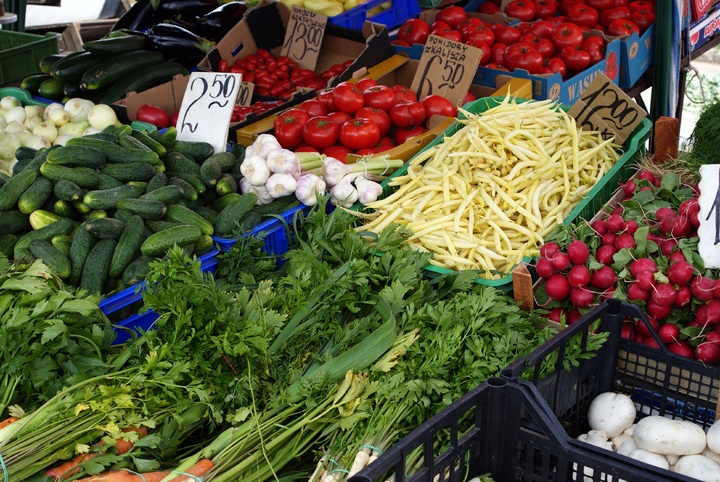

Fruit and vegetable prices are expected to be 8% higher than they would have been over the December and March quarters as a result of the floods, according to budget figures released by Treasurer Jim Chalmers.
And inflation, still forecast to peak at 7.75% in the December quarter, is set to stay higher for longer, largely because of energy prices.
Tuesday’s budget will show tax receipts revised upwards by more than $100 billion over the forward estimates, predominantly due to high commodity prices and the strong labour market.
But most of the upgrades are in the first two years of the budget period. Later, with expected lower commodity prices and slower employment growth, the upgrade is more than offset by outlays being revised up. Higher inflation will increase indexed payments, programs such as the NDIS will face cost pressures, and the government will have higher interest payments on debt.
As a result, the deficit in the final two years of the forward estimates is forecast to be bigger than in the Pre-election Economic and Fiscal Outlook (PEFO) released before the election. Spending pressures are anticipated to continue to build over the medium term.
Chalmers said on Friday that while it was too early to put a precise final price tag on the extensive flooding, which has hit NSW, Victoria and Tasmania, “we already know it will push up prices, slow growth in the near term, and cost billions”.
About a quarter of a percentage point is expected to be subtracted from GDP growth in the December quarter by the flooding, but this is likely to be mostly offset by increased activity in the first half of next year.
The floods will add an estimated 0.1 percentage point to inflation in the December quarter, followed by a similar amount in the March quarter.
But in the figures prepared for the budget, the forecast that inflation will peak at 7.75% in the December quarter has not been revised.
Chalmers points out this number is affected by swings and roundabouts, notably lower fuel prices than were expected in his July ministerial statement.
But energy prices are forecast to stay higher for longer because of foreign and local factors.
The overseas energy market remains increasingly disrupted. The domestic issues keeping up high energy prices have been exacerbated by ageing electricity assets and inadequate policy certainty to support investment in new infrastructure, the government says.
Unemployment, currently 3.5% on figures released this week, is forecast in the budget to rise to 4.5% in 2023-24.
Unemployment is expected to be higher than estimated in Chalmers’ July statement for 2023-24 and 2024-25. This is as a result of the global slowdown and rising interest rates and cost of living pressures affecting economic activity next year.













