


 Weight-Loss Drug Ads Take Over the Super Bowl as Pharma Embraces Direct-to-Consumer Marketing
  Japan Economy Poised for Q4 2025 Growth as Investment and Consumption Hold Firm
  SpaceX Prioritizes Moon Mission Before Mars as Starship Development Accelerates
  India–U.S. Interim Trade Pact Cuts Auto Tariffs but Leaves Tesla Out
  Kroger Set to Name Former Walmart Executive Greg Foran as Next CEO
  Prudential Financial Reports Higher Q4 Profit on Strong Underwriting and Investment Gains
  Washington Post Publisher Will Lewis Steps Down After Layoffs
  Trump Signs Executive Order Threatening 25% Tariffs on Countries Trading With Iran
  TrumpRx Website Launches to Offer Discounted Prescription Drugs for Cash-Paying Americans
  Innovent Biologics Shares Rally on New Eli Lilly Oncology and Immunology Deal
  U.S.-India Trade Framework Signals Major Shift in Tariffs, Energy, and Supply Chains
  Uber Ordered to Pay $8.5 Million in Bellwether Sexual Assault Lawsuit
  RBI Holds Repo Rate at 5.25% as India’s Growth Outlook Strengthens After U.S. Trade Deal
  Russian Stocks End Mixed as MOEX Index Closes Flat Amid Commodity Strength
  Nvidia CEO Jensen Huang Says AI Investment Boom Is Just Beginning as NVDA Shares Surge
  Gold and Silver Prices Climb in Asian Trade as Markets Eye Key U.S. Economic Data


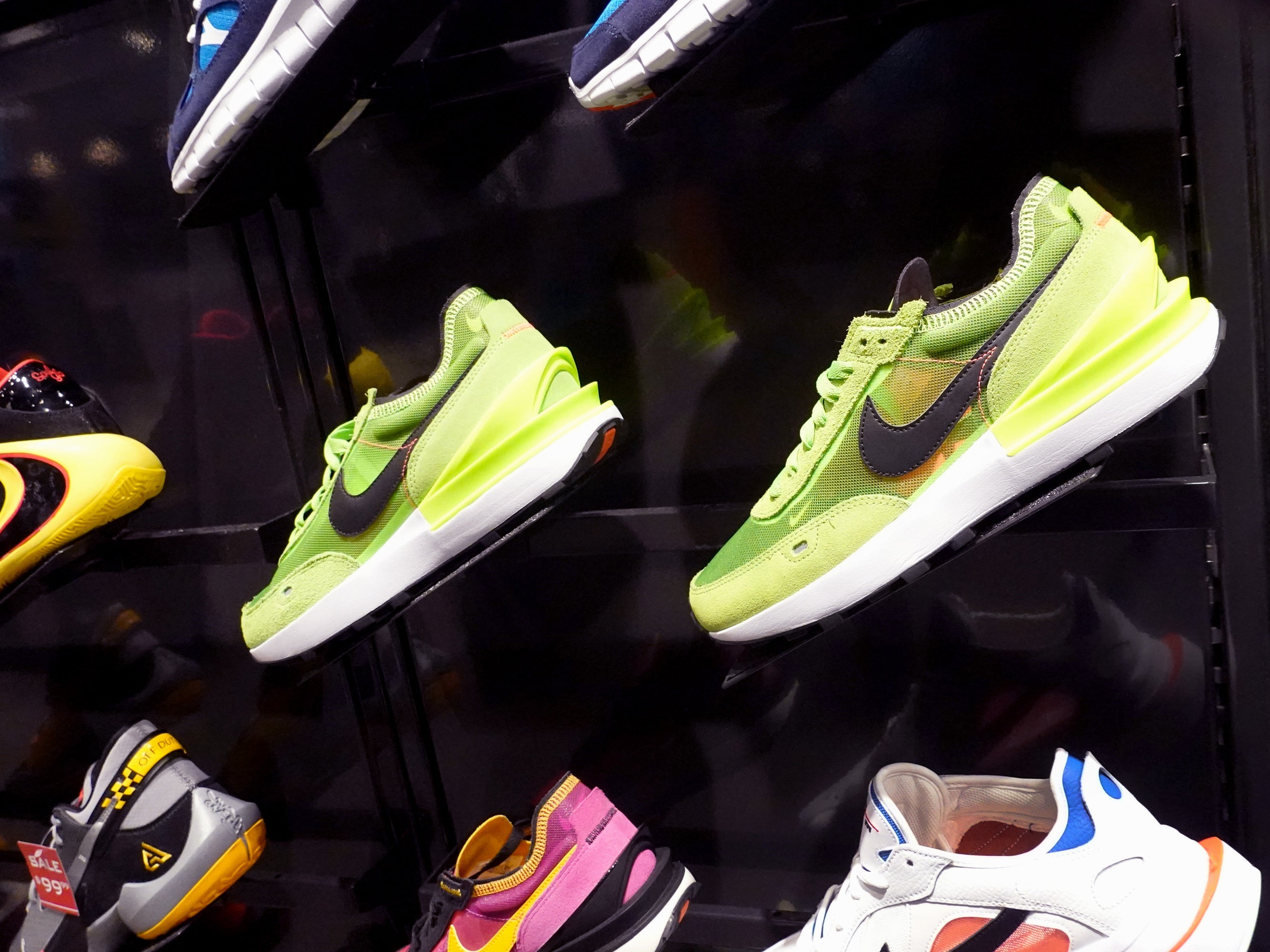
Foot Locker shares tumbled almost 30 percent after saying it expects revenue to drop in 2022 due to lesser products it could sell from its top vendor, Nike.
Beginning in the fourth quarter of 2022, Foot Locker said no single vendor will represent over 55 percent of its supplier purchases, compared with 65 percent in the year-ago period.
Purchases from Nike won’t exceed 60 percent of the total this year, down from 70 percent in 2021 and 75 percent in 2020.
The adjustments reflect the shift by Nike to sell more of its sneakers and apparel directly to consumers, according to Foot Locker.
In turn, Foot Locker is increasing its direct-to-consumer efforts, with plans to launch several private-label apparel brands.
Nike and Under Armour have both stated their intentions to reduce dependence on wholesale partners. These companies hope to achieve higher profits by selling through their physical stores and websites. As a result, wholesalers like Foot Locker and Dick's Sporting Goods have had to develop more of their lines to compete.
Foot Locker will also be leaning into existing relationships with brands such as New Balance, Puma, and Crocs.
On Friday, Foot Locker stock hit a 52-week low of $26.36, closing at $29.07. The company's share price has decreased by about 33% thus far in 2017.
For the three months ended January 29, Foot Locker's net income fell to $102 million, or $1.02 per share, from $123 million, or $1.17 a share, a year earlier. It earned $1.67 per share excluding one-time costs, compared with analysts' expectations for $1.
Sales increased 6.9% to $2.34 billion from $2.19 billion the previous year, slightly outpacing expectations of $2.33 billion.
According to the retailer, same-store sales improved 0.8 percent, with apparel revenue significantly outpacing footwear.
Investors were also disturbed by Foot Locker's bleaker view for 2022. The footwear store predicted Friday that sales would drop by 4% to 6% this year, with same-store sales projected to decrease by 8% to 10%.
Analysts had been looking for year-over-year revenue growth of 2%, according to Refinitiv.
Foot Locker said it will be lapping a time when consumers had additional stimulus dollars to spend.
The retailer said it will implement a cost-saving plan that will begin immediately to save $200 million each year. Foot Locker's board also gave its blessing to a new $1.2 billion share repurchase program.













