


 Global PC Makers Eye Chinese Memory Chip Suppliers Amid Ongoing Supply Crunch
  American Airlines CEO to Meet Pilots Union Amid Storm Response and Financial Concerns
  Sony Q3 Profit Jumps on Gaming and Image Sensors, Full-Year Outlook Raised
  Missouri Judge Dismisses Lawsuit Challenging Starbucks’ Diversity and Inclusion Policies
  Trump Backs Nexstar–Tegna Merger Amid Shifting U.S. Media Landscape
  Weight-Loss Drug Ads Take Over the Super Bowl as Pharma Embraces Direct-to-Consumer Marketing
  Prudential Financial Reports Higher Q4 Profit on Strong Underwriting and Investment Gains
  Rio Tinto Shares Hit Record High After Ending Glencore Merger Talks
  Uber Ordered to Pay $8.5 Million in Bellwether Sexual Assault Lawsuit
  SpaceX Pivots Toward Moon City as Musk Reframes Long-Term Space Vision
  Taiwan Says Moving 40% of Semiconductor Production to the U.S. Is Impossible
  SoftBank Shares Slide After Arm Earnings Miss Fuels Tech Stock Sell-Off
  Innovent Biologics Shares Rally on New Eli Lilly Oncology and Immunology Deal
  Amazon Stock Rebounds After Earnings as $200B Capex Plan Sparks AI Spending Debate
  DBS Expects Slight Dip in 2026 Net Profit After Q4 Earnings Miss on Lower Interest Margins
  Anta Sports Expands Global Footprint With Strategic Puma Stake
  OpenAI Expands Enterprise AI Strategy With Major Hiring Push Ahead of New Business Offering


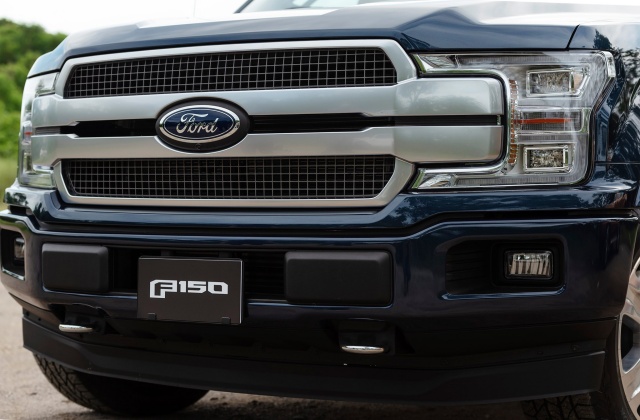
Ford was forced to order its factories in Germany to halt production for a month as they are also affected by the shortage of computer chips. The very low supply of this important component in cars has put even the major automakers under pressure since it is threatening their business.
Most of the companies have just started to pick up from the losses brought about by the COVID-19 pandemic. In the auto industry, companies have gotten back to work only to be met with another crisis.
Surely, the chip shortage hit at the most trying times, and this is forcing automakers to scale back production. In the worst situation, some of the companies have already shut down their business operations.
Ford’s announces closure of its German factory
CNN Business reported that Ford will temporarily close down its plant located in Saarlouis, Germany. From Jan. 18 to Feb. 19, the German Ford factory is effectively closed for business.
The carmaker cited the chip shortage and low demand as the reasons for their decision. This means that around 5,000 workers will be out of work for four weeks.
"We are closely monitoring the situation and adjusting production schedules to minimize the effect on our employees, suppliers, customers and dealers across Europe," the company’s spokesperson said. "At this time, we do not anticipate any similar actions at our other European facilities."
It was added that aside from the plant in Germany, Ford also ceased operations in its Louisville, Kentucky plant in the U.S. The factory mostly makes SUV models but it was forced to close last week due to the shortage of semiconductors.
At any rate, it was learned that aside from Ford, Nissan, Toyota, Volkswagen, Honda and Fiat Chrysler are also suffering from the computer chips shortage so they can’t make cars as needed. The average vehicle requires around 50 to 150 chips and the supply these days is apparently not enough.
The road to recovery is far off?
Computer chips are not just a requirement in cars but most tech companies also need them. Smartphones, computers, gaming systems and appliances all require these chips so the car industry has to compete with manufacturers that make these devices too.
This is why, it was predicted that rather than a recovery, there will be more disruptions and carmakers will suffer more. This means that vehicle manufacturing could get worse and factories may not be able to open any time soon and businesses will continue to decline.













