


 Trump Endorses Japan’s Sanae Takaichi Ahead of Crucial Election Amid Market and China Tensions
  New York Legalizes Medical Aid in Dying for Terminally Ill Patients
  India–U.S. Interim Trade Pact Cuts Auto Tariffs but Leaves Tesla Out
  Trump Backs Nexstar–Tegna Merger Amid Shifting U.S. Media Landscape
  TrumpRx.gov Highlights GLP-1 Drug Discounts but Offers Limited Savings for Most Americans
  US Pushes Ukraine-Russia Peace Talks Before Summer Amid Escalating Attacks
  Netanyahu to Meet Trump in Washington as Iran Nuclear Talks Intensify
  Trump Signs Executive Order Threatening 25% Tariffs on Countries Trading With Iran
  Pentagon Ends Military Education Programs With Harvard University
  Ohio Man Indicted for Alleged Threat Against Vice President JD Vance, Faces Additional Federal Charges
  Jack Lang Resigns as Head of Arab World Institute Amid Epstein Controversy
  Trump Allows Commercial Fishing in Protected New England Waters
  Iran–U.S. Nuclear Talks in Oman Face Major Hurdles Amid Rising Regional Tensions
  Japan Election 2026: Sanae Takaichi Poised for Landslide Win Despite Record Snowfall
  Federal Judge Restores Funding for Gateway Rail Tunnel Project
  U.S. to Begin Paying UN Dues as Financial Crisis Spurs Push for Reforms
  U.S. Announces Additional $6 Million in Humanitarian Aid to Cuba Amid Oil Sanctions and Fuel Shortages


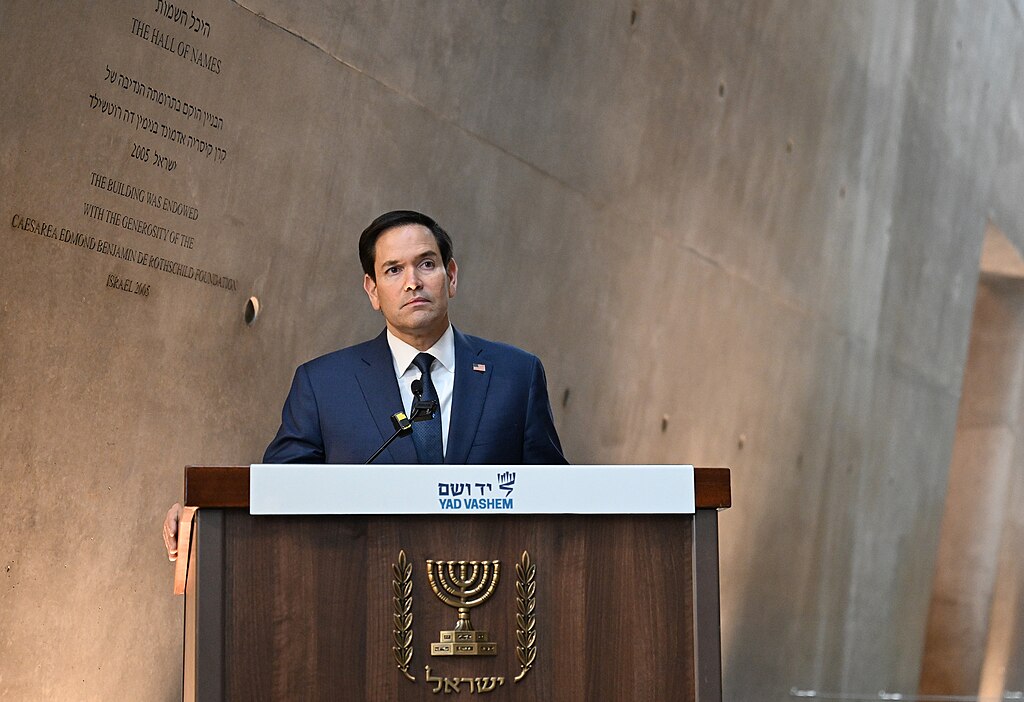
The U.S. is pushing back against G7 allies over language on Russia’s war in Ukraine, as Secretary of State Marco Rubio emphasized Washington’s efforts to broker peace. The Group of Seven foreign ministers—representing the U.S., Britain, Canada, France, Germany, Italy, and Japan—are set to meet in La Malbaie, Quebec, from March 12-14.
While the G7 has consistently backed Ukraine since Russia’s 2014 annexation of Crimea, tensions have escalated as President Donald Trump’s administration strengthens ties with Moscow. According to G7 diplomats, Canada initially sought a joint statement addressing Ukraine, the Middle East, China, and Russia’s shadow fleet—a network of vessels bypassing Western sanctions.
However, the U.S. opposes references to sanctions and the war in Ukraine while advocating for stronger language on China. Rubio, en route to Saudi Arabia for talks, stated that aggressive rhetoric could hinder diplomatic negotiations. “Antagonistic language makes it harder to bring parties to the table,” he said.
The U.S. has already diverged from allies at the UN and WTO by refusing to condemn Russia’s invasion. Additionally, Washington is blocking a proposed separate statement targeting Russia’s shadow fleet, which moves oil, arms, and grain despite sanctions.
Diplomats warn that reaching a compromise remains difficult, with the best-case scenario being two statements. “Even what the Canadians thought was easy is not,” said a G7 diplomat. Talks are ongoing to bridge differences ahead of the summit.
With the U.S. stance threatening unity among G7 members, the upcoming meeting will be crucial in shaping Western policy on Ukraine, Russia, and China.













