


 Toyota’s Surprise CEO Change Signals Strategic Shift Amid Global Auto Turmoil
  Japanese Pharmaceutical Stocks Slide as TrumpRx.gov Launch Sparks Market Concerns
  India–U.S. Interim Trade Pact Cuts Auto Tariffs but Leaves Tesla Out
  Japan Economy Poised for Q4 2025 Growth as Investment and Consumption Hold Firm
  South Africa Eyes ECB Repo Lines as Inflation Eases and Rate Cuts Loom
  Indian Refiners Scale Back Russian Oil Imports as U.S.-India Trade Deal Advances
  Nikkei 225 Hits Record High Above 56,000 After Japan Election Boosts Market Confidence
  Uber Ordered to Pay $8.5 Million in Bellwether Sexual Assault Lawsuit
  RBI Holds Repo Rate at 5.25% as India’s Growth Outlook Strengthens After U.S. Trade Deal
  Amazon Stock Rebounds After Earnings as $200B Capex Plan Sparks AI Spending Debate
  SpaceX Prioritizes Moon Mission Before Mars as Starship Development Accelerates
  Trump Signs Executive Order Threatening 25% Tariffs on Countries Trading With Iran
  Singapore Budget 2026 Set for Fiscal Prudence as Growth Remains Resilient
  Sony Q3 Profit Jumps on Gaming and Image Sensors, Full-Year Outlook Raised
  FDA Targets Hims & Hers Over $49 Weight-Loss Pill, Raising Legal and Safety Concerns
  Weight-Loss Drug Ads Take Over the Super Bowl as Pharma Embraces Direct-to-Consumer Marketing
  Alphabet’s Massive AI Spending Surge Signals Confidence in Google’s Growth Engine


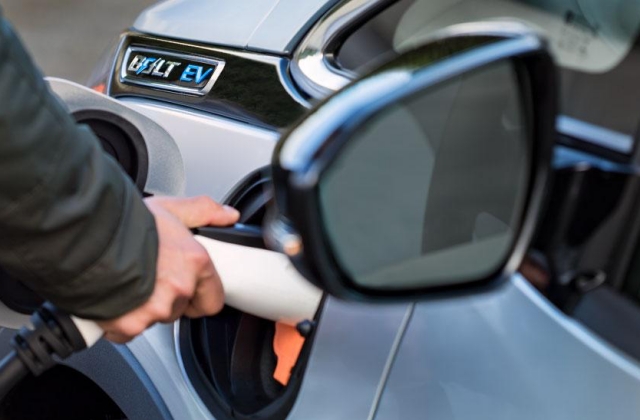
General Motors revealed early this week that it has widened its design studio in China. The American carmaker will be focusing on the development of electric cars as it will not design and produce vehicles that run on gas any longer.
GM’s future goal for its fleet
According to Reuters, General Motors expanded its design studio in China as it is preparing to stop the production of diesel vehicles. The biggest automaker in the United States is aiming to completely get rid of gas cars by the year 2035.
Moreover, GM would like to get a bigger share of the electric vehicles market in China, which currently has the biggest EV market in the world today. The company also wants to extend its business from software to services after its electric cars are sold.
Selling EV batteries is also part of the company’s goal, and most importantly, by 2025, General Motors would like to reach an annual sales target of more than one million units of electric vehicles in the U.S. and China. To achieve its goal, GM is investing $35 million.
GM’s new studio in China
General Motor’s new advanced design studio is said to be one of the three that exist in the world. In this facility, the company will be designing EVs for future generations. It was built by redesigning the existing studio located on the same site as its tech center in Shanghai.
The expanded Advanced Design Center in Shanghai is now double in size and boasts 5,000 square meters of work area. Currently, GM is also hiring a new design team and staff for the studio. It is looking to hire designers, digital modelers, virtual reality experts, physical modelers, and support staff.
“Innovation allows us to adopt the best solutions available in a quick and agile way. We believe we now have the right strategy and the right technologies,” GM Authority quoted Julian Blissett, General Motor’s executive vice president and president of GM China, as saying in a statement. “We also believe that with facilities like the new GM China Advanced Design Center and its growing team of professionals, we have the right organizations and people to bring the most desirable products to China’s consumers in the new era of electrification and connectivity,” he added.













