


 India–U.S. Interim Trade Pact Cuts Auto Tariffs but Leaves Tesla Out
  DBS Expects Slight Dip in 2026 Net Profit After Q4 Earnings Miss on Lower Interest Margins
  Dow Hits 50,000 as U.S. Stocks Stage Strong Rebound Amid AI Volatility
  Trump’s Inflation Claims Clash With Voters’ Cost-of-Living Reality
  Hims & Hers Halts Compounded Semaglutide Pill After FDA Warning
  Nvidia, ByteDance, and the U.S.-China AI Chip Standoff Over H200 Exports
  SpaceX Prioritizes Moon Mission Before Mars as Starship Development Accelerates
  SoftBank Shares Slide After Arm Earnings Miss Fuels Tech Stock Sell-Off
  Rio Tinto Shares Hit Record High After Ending Glencore Merger Talks
  Japan Economy Poised for Q4 2025 Growth as Investment and Consumption Hold Firm
  Anta Sports Expands Global Footprint With Strategic Puma Stake
  Oil Prices Slip as U.S.-Iran Talks Ease Middle East Tensions
  Russian Stocks End Mixed as MOEX Index Closes Flat Amid Commodity Strength
  Australian Pension Funds Boost Currency Hedging as Aussie Dollar Strengthens
  China Extends Gold Buying Streak as Reserves Surge Despite Volatile Prices
  U.S.-India Trade Framework Signals Major Shift in Tariffs, Energy, and Supply Chains
  South Africa Eyes ECB Repo Lines as Inflation Eases and Rate Cuts Loom


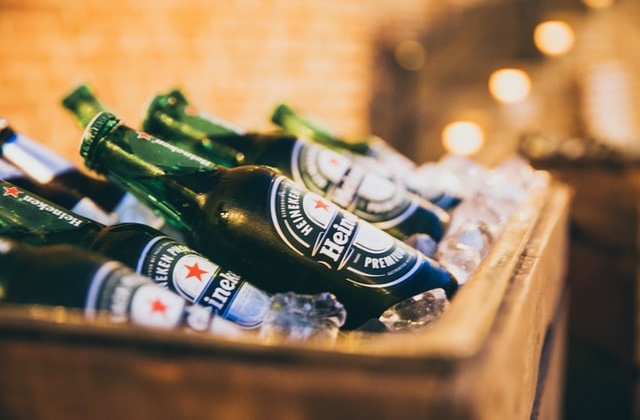
Heineken and Carlsberg breweries are the latest major names to leave Russia. The companies are making their exit and officially suspending operations in the country that attacked Ukraine.
Heineken revealed on Monday, March 28 that it made the decision to stop its business in the Vladimir Putin-led country. This move follows its previous announcement that it will be halting new investments and exports in the region.
For this action, the beer brand is facing €400 million or £334 million in impairments and other exceptional charges. Heineken is looking for a new owner as it said it would be transferring its regional business to the chosen one, but the company will not be not gaining any profit from the transfer of ownership, as per The Evening Standard.
Heineken said that its business in Russia is no longer viable but still commits to paying its 1,800 local employees until the end of the year. Reuters further reported that the beer maker that produces the Botsjkarev and Ochota en Tri Medvjedja brands in Russia will continue the business for now. However, the operations will be reduced during the transition period with the new management.
"We aim for an orderly transfer of our business to a new owner in full compliance with international and local laws," the company said in a press release. "To ensure the ongoing safety and wellbeing of our employees and to minimize the risk of nationalization, we concluded that it is essential that we continue with the recently reduced operations during this transition period."
Heineken added that once the transfer is completed, the brand will no longer have a presence in Russia. It also said that it is hoping that peace will soon return.
On the other hand, Heineken's rival, Carlsberg, is still selling its Baltika beer brands but its stated earlier this month that it has already started a strategic review of its business in Russia. It is also halting the production and selling of its Carlsberg beers there.
Heineken and Carlsberg's competitor, AB InBev, which makes the famous Budweiser beer, also previously requested the controlling shareholder of its Russian business to freeze the license for the production and sale of the Budweiser beers in the region. And just like Heineken, it will still pay its employees despite the situation.













