


 Australian Pension Funds Boost Currency Hedging as Aussie Dollar Strengthens
  UK Starting Salaries See Strongest Growth in 18 Months as Hiring Sentiment Improves
  Innovent Biologics Shares Rally on New Eli Lilly Oncology and Immunology Deal
  Dollar Near Two-Week High as Stock Rout, AI Concerns and Global Events Drive Market Volatility
  Washington Post Publisher Will Lewis Steps Down After Layoffs
  FDA Targets Hims & Hers Over $49 Weight-Loss Pill, Raising Legal and Safety Concerns
  Ghislaine Maxwell to Invoke Fifth Amendment at House Oversight Committee Deposition
  Sanofi to Acquire Dynavax in $2.2 Billion Deal to Strengthen Vaccines Portfolio
  U.S.-India Trade Framework Signals Major Shift in Tariffs, Energy, and Supply Chains
  Trump Administration Appeals Court Order to Release Hudson Tunnel Project Funding
  Yen Slides as Japan Election Boosts Fiscal Stimulus Expectations
  China Overturns Death Sentence of Canadian Robert Schellenberg, Signaling Thaw in Canada-China Relations
  Vietnam’s Trade Surplus With US Jumps as Exports Surge and China Imports Hit Record
  Gold and Silver Prices Rebound After Volatile Week Triggered by Fed Nomination
  Royalty Pharma Stock Rises After Acquiring Full Evrysdi Royalty Rights from PTC Therapeutics
  Rio Tinto Shares Hit Record High After Ending Glencore Merger Talks
  Eli Lilly and Novo Nordisk Battle for India’s Fast-Growing Obesity Drug Market


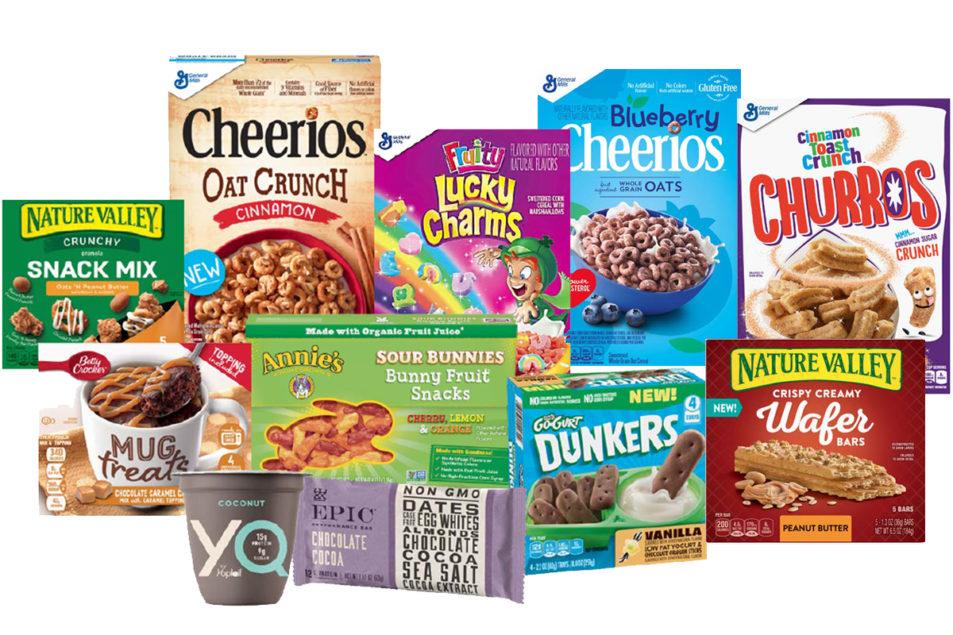
Packaged food corporations like Hostess, Mondelēz, General Mills, PepsiCo, and Coca-Cola, as represented by the Consumer Brands Association, are implying that they may sue the Food and Drug Administration (FDA) for its proposal of what would be deemed “healthy.”
The FDA put out the guidelines in September, arguing that to be marketed as “healthy,” foods would have to include a certain amount of key nutritious ingredients, like fruits and vegetables, and have little added sugar, sodium, and saturated fat.
While the FDA’s proposal would not ban unhealthy foods, those that don’t meet the standard couldn’t be labeled as healthy.
In a 54-page comment, the CBA says the FDA regulation infringes on food companies’ First Amendment rights.
The CBA argued that limiting the truthful and non-misleading use of the word ‘healthy’ in product labeling could harm both the consumer and the manufacturer.”
The CBA added that the FDA may not have the legal authority to set such a strict limit on added sugar due to a “lack of scientific consensus on the relationship between sugar intake and diet-related disease.”
Other food groups are also raising a howl against FDA’s proposal.
SNAC International, which represents chip makers Frito-Lay and Utz, is complaining that the FDA’s restrictions around added sugars and salt are too restrictive.
Brands represented by the National Pasta Association, including Barilla and De Cecco, argue that noodles are healthy because pasta eaters often have higher-quality diets, and eat more vegetables.
American cereal makers, including General Mills and Kellogg’s, are also urging regulators to reconsider the definition.
Pickle Packers International also noted that their product won’t be considered healthy under the FDA’s definition because of its saltiness, even though pickles have a role to play in a healthy diet because they are predominantly comprised of vegetables and serve as a delicious condiment to other nutrient-dense foods.
Meanwhile, frozen-aisle favorite, Healthy Choice, says following the FDA’s new guidelines would alienate their consumers.
Conagra, the food giant behind the brand, pointed out that if the food does not taste good, people will not buy it, and the health benefits Healthy Choice has conferred for over 30 years may disappear from the market.













