


 SK Hynix Shares Drop After Strong Nasdaq Debut Despite $26 Billion ADR Listing
  SK Hynix’s $28 Billion U.S. Share Sale Draws Massive Demand Amid AI Chip Boom
  EU Weighs New Trade Restrictions on Israeli West Bank Settlements
  Japanese Yen Holds Steady as Intervention Hopes Grow Ahead of U.S. CPI Data
  Apple Sues OpenAI, Former Employees Over Alleged Trade Secret Theft
  Elon Musk Says Anthropic Leads AI Race as Claude Models Challenge OpenAI
  US Inflation Expected to Ease in June, but Fed Rate Hike Risks Persist Amid Middle East Tensions
  Nvidia Tightens AI Chip Sales in Asia With Stricter Customer Approval Process
  Morgan Stanley Names Marks & Spencer Top European Retail Pick, Sees Strong Upside
  South Korea Central Bank Set to Raise Interest Rates as Inflation Stays Elevated
  TSMC Q2 Revenue Surges 36% as AI Chip Demand Powers Growth Ahead of Earnings
  Asian Stocks Slide as Oil Surge, U.S.-Iran Tensions and Fed Rate Bets Weigh on Markets
  Oil Prices Surge as U.S.-Iran Conflict Escalates and Strait of Hormuz Risks Grow
  Bain Capital Exits Kioxia After AI-Fueled Valuation Surge
  China 618 Smartphone Sales Drop 13% as Higher Prices Hurt Demand, Huawei Gains Market Share
  Samsung Chairman Lee Jae-yong Expected to Meet Nvidia CEO Jensen Huang on AI and Chip Partnership


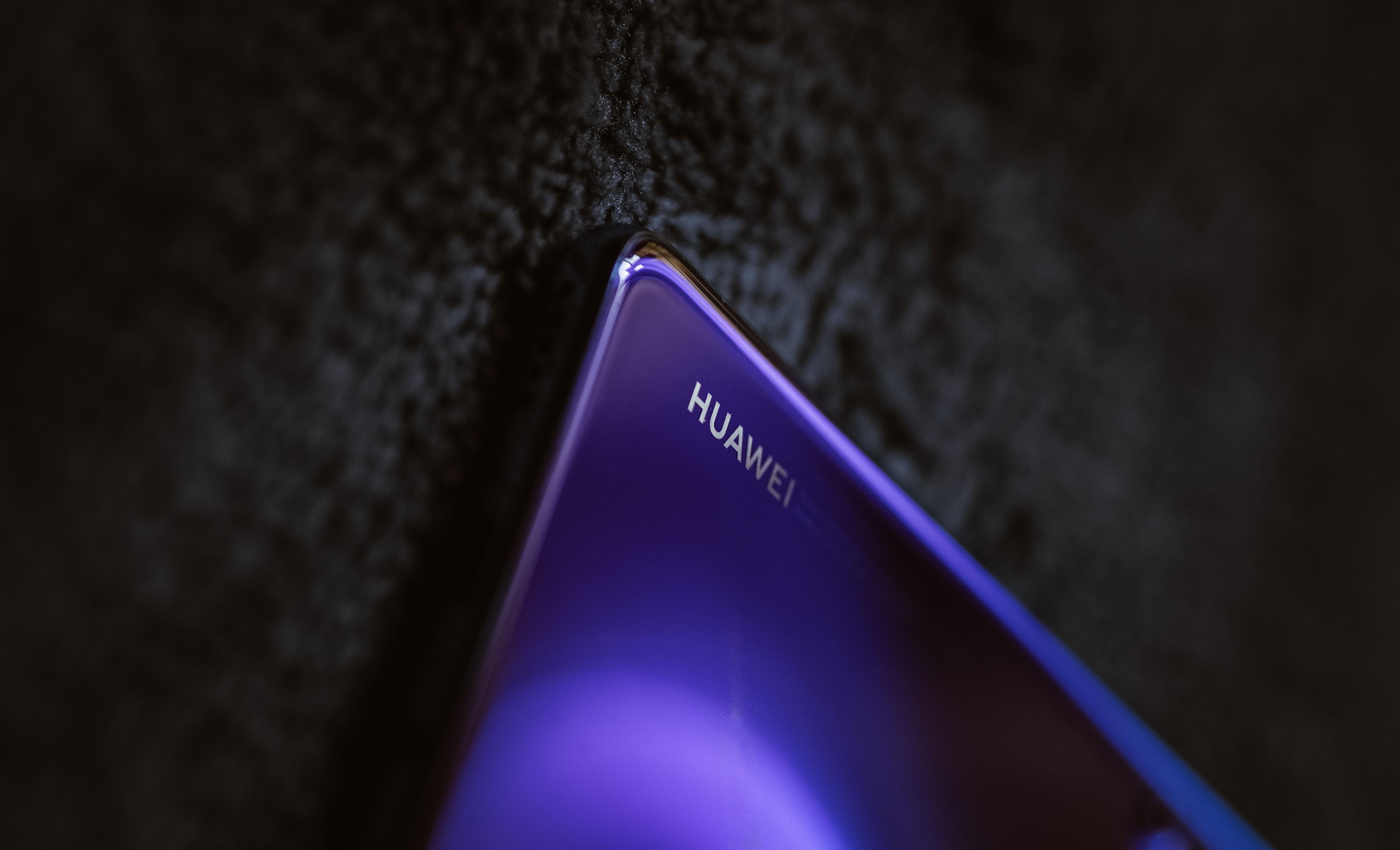
According to analysts, Huawei Technologies recently made a chip manufacturing breakthrough, highlighting China's capacity for retaliation against U.S. sanctions. It unveiled its latest Mate 60 Pro smartphone during U.S. Commerce Secretary Gina Raimondo's China visit.
The Mate 60 Pro is equipped with Huawei's proprietary Kirin 9000s chip, manufactured by top contract chipmaker SMIC using advanced 7nm technology. A teardown conducted by TechInsights revealed the phone's impressive performance, signaling China's progress in developing high-end chips despite U.S. efforts to impede their access to advanced chipmaking tools.
TechInsights analyst Dan Hutcheson said the breakthrough demonstrates the technical progress China's semiconductor industry has been able to make without EUV tools. The achievement also highlights the resilience of China's chip manufacturing ability. Extreme ultraviolet lithography, which is used for making 7nm or more advanced chips, has been restricted.
Jefferies analysts warned that TechInsights' findings could lead to a probe from the U.S. Commerce Department's Bureau of Industry and Security. The report could also fuel more debate in the U.S. regarding the effectiveness of sanctions and potentially result in even harsher tech sanctions against China.
The U.S.-China tech war is expected to escalate further, with Congress preparing a competition bill against China that may include stricter sanctions. Previously, SMIC, which collaborated with Huawei for the Mate 60 Pro chip, was limited to producing 14nm chips after being denied access to EUV machines.
However, TechInsights reported that SMIC could manufacture 7nm chips by modifying existing DUV machines from Dutch firm ASML. Some analysts speculate that Huawei may have acquired the necessary technology and equipment from SMIC to produce the chip.
China's success in chip manufacturing serves as a significant geopolitical challenge to countries attempting to restrict its access to critical manufacturing technologies. The result may be further restrictions on China's advancement in chipmaking.
The Chinese government is also preparing to invest a significant amount, $40 billion, to strengthen its chip sector. The U.S.-China tech war is expected to intensify as sanctions and countermeasures continue to shape the landscape of global technology competition.
Photo: Omid Armin/Unsplash







