


 FDA Targets Hims & Hers Over $49 Weight-Loss Pill, Raising Legal and Safety Concerns
  SpaceX Pivots Toward Moon City as Musk Reframes Long-Term Space Vision
  Innovent Biologics Shares Rally on New Eli Lilly Oncology and Immunology Deal
  Sony Q3 Profit Jumps on Gaming and Image Sensors, Full-Year Outlook Raised
  TrumpRx Website Launches to Offer Discounted Prescription Drugs for Cash-Paying Americans
  OpenAI Expands Enterprise AI Strategy With Major Hiring Push Ahead of New Business Offering
  SoftBank Shares Slide After Arm Earnings Miss Fuels Tech Stock Sell-Off
  Anta Sports Expands Global Footprint With Strategic Puma Stake
  Nvidia CEO Jensen Huang Says AI Investment Boom Is Just Beginning as NVDA Shares Surge
  Prudential Financial Reports Higher Q4 Profit on Strong Underwriting and Investment Gains
  DBS Expects Slight Dip in 2026 Net Profit After Q4 Earnings Miss on Lower Interest Margins
  Uber Ordered to Pay $8.5 Million in Bellwether Sexual Assault Lawsuit
  Missouri Judge Dismisses Lawsuit Challenging Starbucks’ Diversity and Inclusion Policies
  Global PC Makers Eye Chinese Memory Chip Suppliers Amid Ongoing Supply Crunch
  Kroger Set to Name Former Walmart Executive Greg Foran as Next CEO
  Once Upon a Farm Raises Nearly $198 Million in IPO, Valued at Over $724 Million


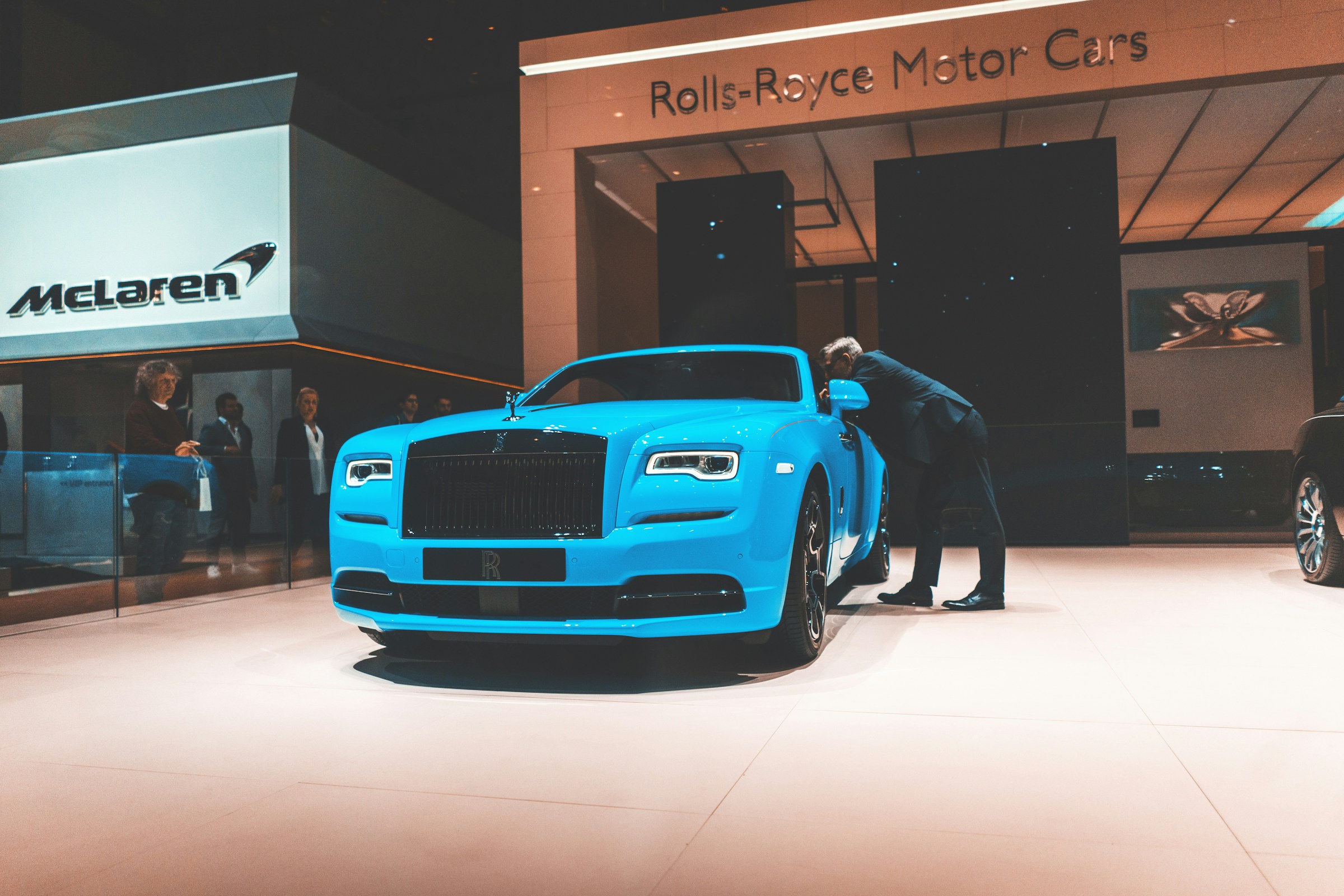
In an unprecedented shift within the luxury car market in South Korea, sales of high-end brands like Bentley, Porsche, and Rolls-Royce have plummeted following the government's introduction of a new taxation rule. The rule, which mandates the use of green license plates for company-owned vehicles valued over 80 million won ($57,800), came into effect at the beginning of 2024.
Korea Times reported that this regulation aims to prevent business owners from buying supercars under their companies to avoid taxes.
Dramatic Declines in Sales
Data provided by the Korea Automobile Importers & Distributors Association (KAIDA) reveals a significant drop in the importation and registration of luxury cars. In March alone, 3,868 luxury imported vehicles were newly registered in South Korea, marking a 31.4% decrease from the year prior. Notably, Bentley experienced a dramatic 77.4% decrease in registered vehicles for the first quarter compared to the previous year.
Similarly, Rolls-Royce and Porsche, which recently launched an improved hybrid Panamera in Korea, as per Korea Joongang Daily, reported declines of 35.2% and 22.9%, respectively.
Industry Reactions and Impact
Officials from luxury car manufacturers suggest that the decline in demand is primarily due to the negative perceptions associated with the lime green plates often linked to rental and lease vehicles. The sentiment poses particular disadvantages for business owners purchasing luxury cars as fleet vehicles.
More broadly, the proportion of company-owned luxury cars has decreased, with imported company cars falling below 30% of total registrations for the first time. This decline is significant, considering nearly 40% of imported vehicles were registered company-owned last year.
Broader Economic Implications
Other industry representatives attribute the sharp fall in sales to the new regulation and the prevailing economic downturn. With the economy showing no immediate revival, demand for expensive vehicles naturally decreases. The combination of an economic slump and strict new regulations poses significant challenges for supercar manufacturers, hampering their efforts to sustain sales performance in the South Korean market.
Photo: Marvin Meyer/Unsplash













