


 Trump Congratulates Japan’s First Female Prime Minister Sanae Takaichi After Historic Election Victory
  Bangladesh Election 2026: A Turning Point After Years of Political Suppression
  Federal Judge Restores Funding for Gateway Rail Tunnel Project
  US Pushes Ukraine-Russia Peace Talks Before Summer Amid Escalating Attacks
  India–U.S. Interim Trade Pact Cuts Auto Tariffs but Leaves Tesla Out
  Bosnian Serb Presidential Rerun Confirms Victory for Dodik Ally Amid Allegations of Irregularities
  Jack Lang Resigns as Head of Arab World Institute Amid Epstein Controversy
  Ohio Man Indicted for Alleged Threat Against Vice President JD Vance, Faces Additional Federal Charges
  Trump Lifts 25% Tariff on Indian Goods in Strategic U.S.–India Trade and Energy Deal
  Anutin’s Bhumjaithai Party Wins Thai Election, Signals Shift Toward Political Stability
  Taiwan Says Moving 40% of Semiconductor Production to the U.S. Is Impossible
  Trump Allows Commercial Fishing in Protected New England Waters
  Trump Says “Very Good Talks” Underway on Russia-Ukraine War as Peace Efforts Continue
  Japan Election 2026: Sanae Takaichi Poised for Landslide Win Despite Record Snowfall
  Israel Approves West Bank Measures Expanding Settler Land Access
  New York Legalizes Medical Aid in Dying for Terminally Ill Patients
  Nicaragua Ends Visa-Free Entry for Cubans, Disrupting Key Migration Route to the U.S.


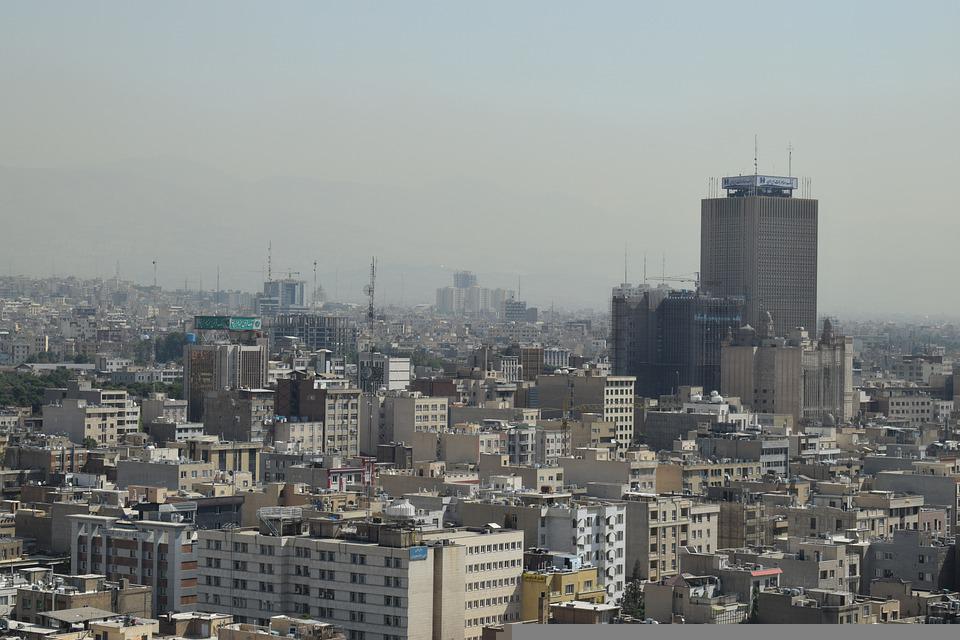
Iran and world powers are close to restoring the 2015 nuclear deal following the responses to the text proposed by the European Union. However, France, Germany, and the United Kingdom have expressed skepticism over Tehran’s intentions regarding the agreement.
France, Germany, and the UK Saturday expressed doubts about Iran’s intentions regarding the agreement. The skepticism follows Iran’s latest response to the EU-drafted text earlier this month.
Diplomats said that the response Tehran gave was a step backward, citing that Tehran’s response sought to link the agreement to the closure of the probe by the United Nations nuclear agency into the nuclear particles at its facilities.
“This latest demand raises serious doubts as to Iran’s intentions and commitment to a successful outcome on the JCPOA,” said the diplomats of the three countries, also known as E3. The diplomats were referring to the nuclear agreement by its formal name, the Joint Comprehensive Plan of Action.
“Iran’s position contradicts its legally binding obligations and jeopardizes prospects of restoring the JCPOA,” said the E3 diplomats.
Iran’s foreign ministry spokesperson Nasser Kanani said the statement by the E3 was “unconstructive,” and that the three European countries are advised to be more active in providing solutions to resolve the remaining issues, according to Iranian state media.
Kanani added that if the E3 continues to push for their approach, they will have to bear the consequences.
The statement by the E3 has also led the Russian representative to the nuclear deal to weigh in, calling the comments “untimely” and dismissing the supposed block as something that was not serious.
An Israeli official said Sunday that they do not expect the revival of the nuclear deal before the United States holds its midterm elections in November. This comes as Israel has opposed the deal and its revival, supporting the unilateral withdrawal of the US under Donald Trump in 2018.
“At this point in time, it appears that a nuclear agreement with Iran will not be signed at least until after the midterm elections,” said the official familiar with the matter.
Some Israeli pundits saw this as anticipating reluctance by US President Joe Biden to enter a deal close to a time the US Republican Party is looking to use the agreement against the Democratic Party, which currently holds the majority in both the House and the Senate.













