


 Trump Allows Commercial Fishing in Protected New England Waters
  Antonio José Seguro Poised for Landslide Win in Portugal Presidential Runoff
  Trump Administration Appeals Court Order to Release Hudson Tunnel Project Funding
  Taiwan Says Moving 40% of Semiconductor Production to the U.S. Is Impossible
  New York Legalizes Medical Aid in Dying for Terminally Ill Patients
  India–U.S. Interim Trade Pact Cuts Auto Tariffs but Leaves Tesla Out
  China Warns US Arms Sales to Taiwan Could Disrupt Trump’s Planned Visit
  Nicaragua Ends Visa-Free Entry for Cubans, Disrupting Key Migration Route to the U.S.
  Trump Slams Super Bowl Halftime Show Featuring Bad Bunny
  Trump Backs Nexstar–Tegna Merger Amid Shifting U.S. Media Landscape
  Bosnian Serb Presidential Rerun Confirms Victory for Dodik Ally Amid Allegations of Irregularities
  Japan’s Prime Minister Sanae Takaichi Secures Historic Election Win, Shaking Markets and Regional Politics
  Netanyahu to Meet Trump in Washington as Iran Nuclear Talks Intensify
  Trump Lifts 25% Tariff on Indian Goods in Strategic U.S.–India Trade and Energy Deal
  Anutin’s Bhumjaithai Party Wins Thai Election, Signals Shift Toward Political Stability
  Trump Congratulates Japan’s First Female Prime Minister Sanae Takaichi After Historic Election Victory


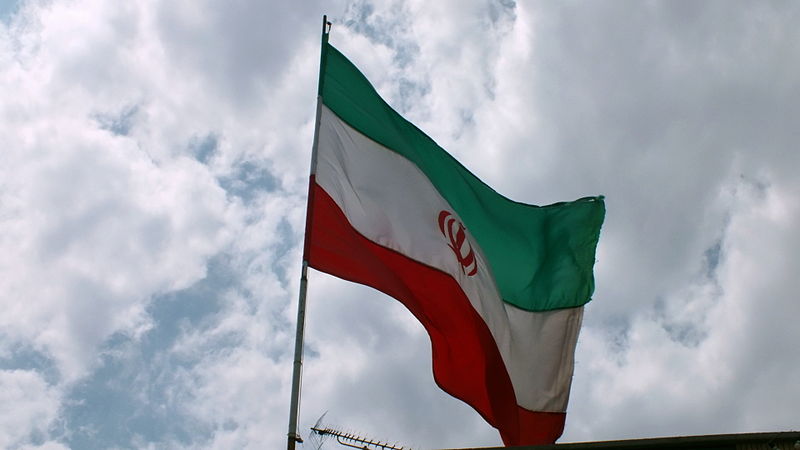
After more than a year of negotiations between Iran and Western powers, an agreement may soon be reached. The European–led proposal to restore the 2015 agreement would include the immediate lifting of several sanctions.
Sources with knowledge of the matter told Al Jazeera that the proposal drafted by the European Union was imminent. If the final proposal is agreed upon, the countries will carry out the new nuclear agreement in four phases over two 60-day periods.
This comes as Tehran has expressed optimism about an agreement on the renewed version of the 2015 deal, also known as the Joint Comprehensive Plan of Action.
Mohammad Marandi, who is an adviser on Iran’s negotiating team, said last week that the countries involved are “closer” than before to securing an agreement, noting that the outstanding issues “are not very difficult to resolve.”
The US has already approved the final text presented by the European Union the week prior, saying that Washington is ready to secure the agreement if Iran accepts it.
In the new proposal, sources said that on the day the agreement is made, sanctions on 17 Iranian banks and 150 economic institutions would be lifted.
Tehran is also expected to reverse the advancement of its nuclear program, which has already exceeded the scope of what is acceptable to the UN’s nuclear agency and the signatories of the 2015 deal.
Iran’s current stock of enriched uranium is now at 60 percent, a jump from the 3.67 percent limit stated in the original deal. The development of a nuclear bomb would require uranium enrichment of 90 percent.
In a span of 120 days after the new deal is made, Iran will be allowed to export 50 million barrels of oil per day. The deal also includes the release of $7 billion of Iran’s funds which are currently held in South Korea. The United States is subject to paying a fine if it unilaterally withdraws from the deal again, as it did in 2018 under Donald Trump.
The White House said Sunday that US President Joe Biden spoke with British Prime Minister Boris Johnson, French President Emmanuel Macron, and German Chancellor Olaf Scholz over the nuclear deal. A readout of the call said the four leaders discussed the ongoing negotiations over the nuclear deal as well as support for partners in the Middle East.













