


 Japan Election 2026: Sanae Takaichi Poised for Landslide Win Despite Record Snowfall
  Taiwan Says Moving 40% of Semiconductor Production to the U.S. Is Impossible
  Trump Slams Super Bowl Halftime Show Featuring Bad Bunny
  Trump Says “Very Good Talks” Underway on Russia-Ukraine War as Peace Efforts Continue
  Bank of Japan Signals Readiness for Near-Term Rate Hike as Inflation Nears Target
  South Africa Eyes ECB Repo Lines as Inflation Eases and Rate Cuts Loom
  Oil Prices Slip as U.S.-Iran Talks Ease Middle East Tensions
  Japan’s Prime Minister Sanae Takaichi Secures Historic Election Win, Shaking Markets and Regional Politics
  Trump Allows Commercial Fishing in Protected New England Waters
  India–U.S. Interim Trade Pact Cuts Auto Tariffs but Leaves Tesla Out
  Global Markets Slide as AI, Crypto, and Precious Metals Face Heightened Volatility
  Bosnian Serb Presidential Rerun Confirms Victory for Dodik Ally Amid Allegations of Irregularities
  Lee Seung-heon Signals Caution on Rate Hikes, Supports Higher Property Taxes to Cool Korea’s Housing Market
  Gold and Silver Prices Climb in Asian Trade as Markets Eye Key U.S. Economic Data
  Trump Signs Executive Order Threatening 25% Tariffs on Countries Trading With Iran
  China Warns US Arms Sales to Taiwan Could Disrupt Trump’s Planned Visit


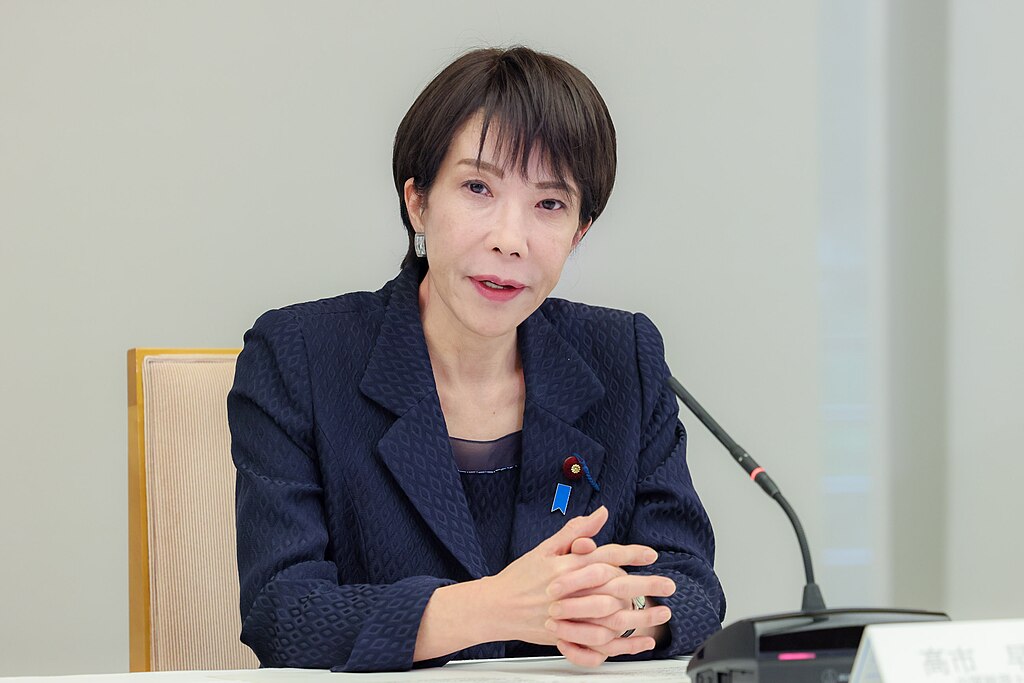
Japan’s government, led by Prime Minister Sanae Takaichi, has approved a record-breaking budget worth 122.3 trillion yen ($785 billion) for the next fiscal year starting in April, underscoring its attempt to balance proactive fiscal spending with growing concerns over national debt. The budget, which will be submitted to parliament early next year, surpasses the current fiscal year’s initial budget of 115.2 trillion yen and reflects rising pressures from inflation, social welfare demands, and defence spending.
Despite the historic size of the budget, the Takaichi administration has moved to reassure investors by limiting new government bond issuance. New bond sales will rise only modestly to 29.6 trillion yen from this year’s 28.6 trillion yen, while the debt dependence ratio will fall to 24.2%, the lowest level since 1998. This approach is aimed at calming markets amid rising Japanese government bond yields and a persistently weak yen.
Higher tax revenues are expected to play a crucial role in funding the expanded budget. Government projections show tax income rising 7.6% to a record 83.7 trillion yen, providing some relief as Japan faces sharply increasing debt-servicing costs. However, these revenues will not fully offset higher spending pressures, particularly in social security, defence, and interest payments.
Debt-servicing costs alone are projected to jump 10.8% to 31.3 trillion yen, reflecting the impact of higher interest rates as the Bank of Japan moves away from its long-standing ultra-loose monetary policy. The assumed interest rate for the new budget is set at 3.0%, the highest level in 29 years.
Japan continues to carry the heaviest debt burden among developed economies, with public debt exceeding twice the size of its economy. This makes fiscal policy highly sensitive to rising borrowing costs and complicates Prime Minister Takaichi’s plans for aggressive stimulus. To gain more flexibility, she plans to abandon the traditional primary budget balance as a consolidation target and replace it with a multi-year fiscal goal, allowing for sustained but controlled government spending.













