


 Federal Judge Restores Funding for Gateway Rail Tunnel Project
  Jack Lang Resigns as Head of Arab World Institute Amid Epstein Controversy
  Trump Administration Appeals Court Order to Release Hudson Tunnel Project Funding
  Japan’s Prime Minister Sanae Takaichi Secures Historic Election Win, Shaking Markets and Regional Politics
  US Pushes Ukraine-Russia Peace Talks Before Summer Amid Escalating Attacks
  Netanyahu to Meet Trump in Washington as Iran Nuclear Talks Intensify
  Bosnian Serb Presidential Rerun Confirms Victory for Dodik Ally Amid Allegations of Irregularities
  Ghislaine Maxwell to Invoke Fifth Amendment at House Oversight Committee Deposition
  Trump Says “Very Good Talks” Underway on Russia-Ukraine War as Peace Efforts Continue
  Bangladesh Election 2026: A Turning Point After Years of Political Suppression
  Trump Backs Nexstar–Tegna Merger Amid Shifting U.S. Media Landscape
  Trump Signs Executive Order Threatening 25% Tariffs on Countries Trading With Iran
  China Overturns Death Sentence of Canadian Robert Schellenberg, Signaling Thaw in Canada-China Relations
  Japan Election 2026: Sanae Takaichi Poised for Landslide Win Despite Record Snowfall
  Trump Allows Commercial Fishing in Protected New England Waters
  U.S. Lawmakers to Review Unredacted Jeffrey Epstein DOJ Files Starting Monday


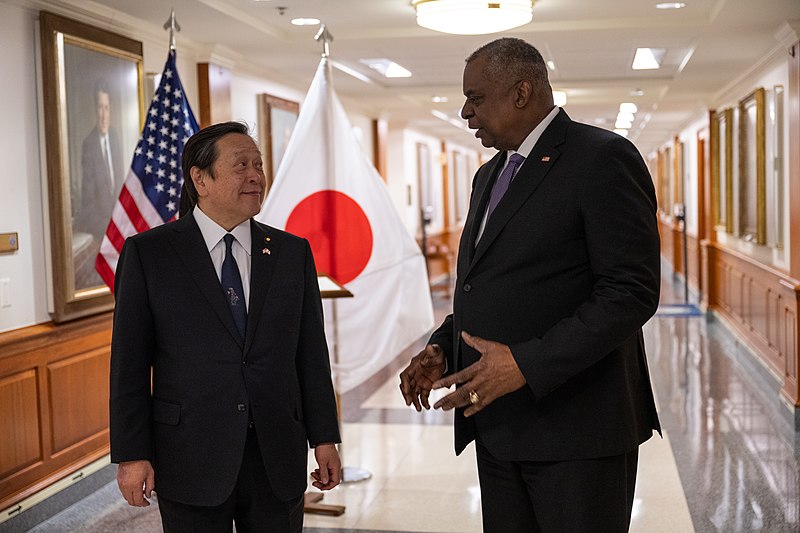
Japan and South Korea are set to connect their radars through a US system to share information on North Korea’s ballistic missiles in real time. The move follows Pyongyang’s record number of missile launches in the past year as the two allies seek to bolster their defenses.
A person familiar with the matter said on Tuesday that Japan and South Korea are set to link their radars through a US system that would allow them to share information on North Korea’s ballistic missiles in real time. The defense ministers of Japan, South Korea, and the United States are also expected to come to an agreement on the sidelines of an Asian defense summit that will take place in Singapore early next month.
The spokesperson for the Japanese government Hirokazu Matsuno said no decision had been made yet on the supposed agreement. A spokesperson for the South Korean defense ministry said during a briefing that the three allies have been in talks to boost information sharing, but nothing was decided yet.
South Korea’s presidential office said Seoul would form a group with Japan and the US to share information about the isolated nation’s missiles, according to South Korea’s Yonhap. The report by Yonhap added that the system was currently in the works.
The three allies agreed in November last year to boost information sharing. Japan and South Korea are independently linked to the US radar systems but not to each other. This also comes as relations between Japan and South Korea have improved in recent months amidst the threat posed by North Korea.
Japanese Prime Minister Fumio Kishida visited South Korea over the weekend, the first visit by a Japanese leader in 12 years, following South Korean President Yoon Suk-yeol’s visit to Tokyo back in March, as both leaders sought to move past the long-running historical disputes that have strained relations between the two countries. The disputes stem from Japan’s decades-long occupation of Korea from 1910 to 1945.
Kishida told reporters following his summit with Yoon that his administration inherits the position on the matter of his predecessors, stopping short of issuing a new apology for the atrocities committed during Japan’s occupation.
Photo by U.S. Secretary of Defense/Wikimedia Commons(CC BY 2.0)














.jpg)