


 Japan’s Prime Minister Sanae Takaichi Secures Historic Election Win, Shaking Markets and Regional Politics
  Japan Election 2026: Sanae Takaichi Poised for Landslide Win Despite Record Snowfall
  Ohio Man Indicted for Alleged Threat Against Vice President JD Vance, Faces Additional Federal Charges
  Jack Lang Resigns as Head of Arab World Institute Amid Epstein Controversy
  Ghislaine Maxwell to Invoke Fifth Amendment at House Oversight Committee Deposition
  Bangladesh Election 2026: A Turning Point After Years of Political Suppression
  Sydney Braces for Pro-Palestine Protests During Israeli President Isaac Herzog’s Visit
  Trump Signs Executive Order Threatening 25% Tariffs on Countries Trading With Iran
  India–U.S. Interim Trade Pact Cuts Auto Tariffs but Leaves Tesla Out
  Trump Congratulates Japan’s First Female Prime Minister Sanae Takaichi After Historic Election Victory
  U.S. Lawmakers to Review Unredacted Jeffrey Epstein DOJ Files Starting Monday
  Trump Administration Appeals Court Order to Release Hudson Tunnel Project Funding
  Trump Lifts 25% Tariff on Indian Goods in Strategic U.S.–India Trade and Energy Deal
  Taiwan Says Moving 40% of Semiconductor Production to the U.S. Is Impossible
  Federal Judge Restores Funding for Gateway Rail Tunnel Project
  Antonio José Seguro Poised for Landslide Win in Portugal Presidential Runoff
  Trump Says “Very Good Talks” Underway on Russia-Ukraine War as Peace Efforts Continue


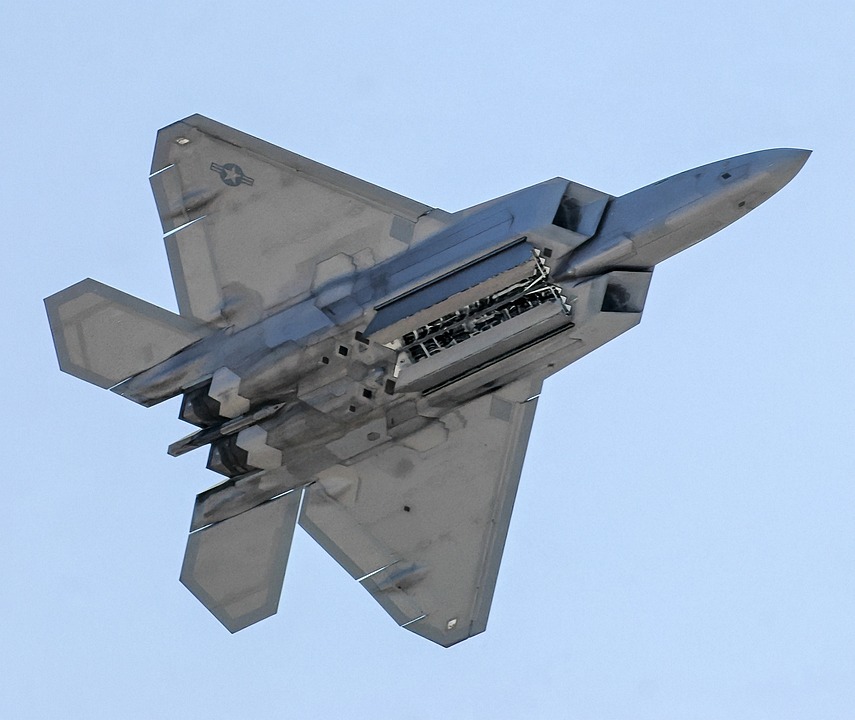
Japan’s defense ministry said that it has been monitoring Chinese aircraft carrier activities in the region for the past two weeks. The moves come amidst Japan’s plans to increase its military build-up due to tensions in the region.
In a press release on Monday, the Japanese defense ministry said it has scrambled fighter jets and deployed aircraft and warships to monitor China’s Liaoning aircraft carrier and five warships that conducted naval maneuvers and flight operations in the Pacific. Japan started monitoring the operations following the Liaoning aircraft carrier group’s transit between the main Okinawa island and Miyakojima island into the Western Pacific from the East China Sea on December 16.
The ministry said that before returning in the same way on Sunday, the Chinese carrier conducted 300 more take-offs and landings of fixed-wing aircraft and helicopters. No incursions into Japanese territorial waters were mentioned.
China has previously conducted similar activities. However, the latest large-scale drills close to Japanese islands follow Tokyo’s unveiling of its increased defense spending over a span of five years in an effort to deter China from using military force to assert its territorial claims in the region, including against the democratically-governed island nation of Taiwan.
Japan has also reported that it has detected flights by a Chinese WZ-7 drone close to Miyakojima on Sunday and on Monday. This marks the first time Japan has spotted a high-altitude drone in the area.
On Saturday, Kyodo news reported that the defense ministry is making arrangements for plans to develop long-range missiles that are capable of reaching up to 3,000 kilometers with the goal of deploying the missiles by the 2030s. The Japanese government is looking to deploy a 2,000-kilometer range missile by the early 2030s and a 3,000-kilometer hypersonic missile that can reach any part of North Korea and parts of China by around 2035.
Japan has previously announced its increased military build-up, the biggest since World War Two. The $320 billion strategy includes acquiring missiles that are capable of striking China and preparing it for potential conflicts in light of flared regional tensions and Russia’s invasion of Ukraine.













