


 Supreme Court Blocks 5th Circuit Ruling on Abortion Pill Access
  Trump Signs Executive Order to Boost AI Research in Childhood Cancer
  GSK Reportedly Nears $9 Billion Acquisition of Cancer Drug Developer Nuvalent
  BOJ May Raise Japan Growth Forecast While Keeping Focus on Inflation Risks
  NASA's Artemis II Mission: First Crewed Lunar Journey Since Apollo
  Trump and Merck KGaA Partner to Slash IVF Drug Costs and Expand Fertility Coverage
  Tabletop particle accelerator could transform medicine and materials science
  EU Weighs New Trade Restrictions on Israeli West Bank Settlements
  Oil Prices Surge as U.S.-Iran Conflict Escalates and Strait of Hormuz Risks Grow
  US-Iran Strikes Escalate as Strait of Hormuz Crisis Pushes Oil Prices Higher
  Alcohol is one of the most dangerous drugs, yet its presence is ubiquitous in social settings and celebrations
  China vs. NASA: The New Moon Race and What's at Stake by 2030
  Novo Nordisk Raises 2026 Outlook on Strong Wegovy Demand
  Australian Business Conditions Hold Steady as Easing Cost Pressures Face New Oil Price Risks
  Trump Reportedly Approves Plan to Remove FDA Commissioner Marty Makary Amid Growing Controversies
  White House Seeks $1.4 Billion to Combat Growing Ebola Outbreak


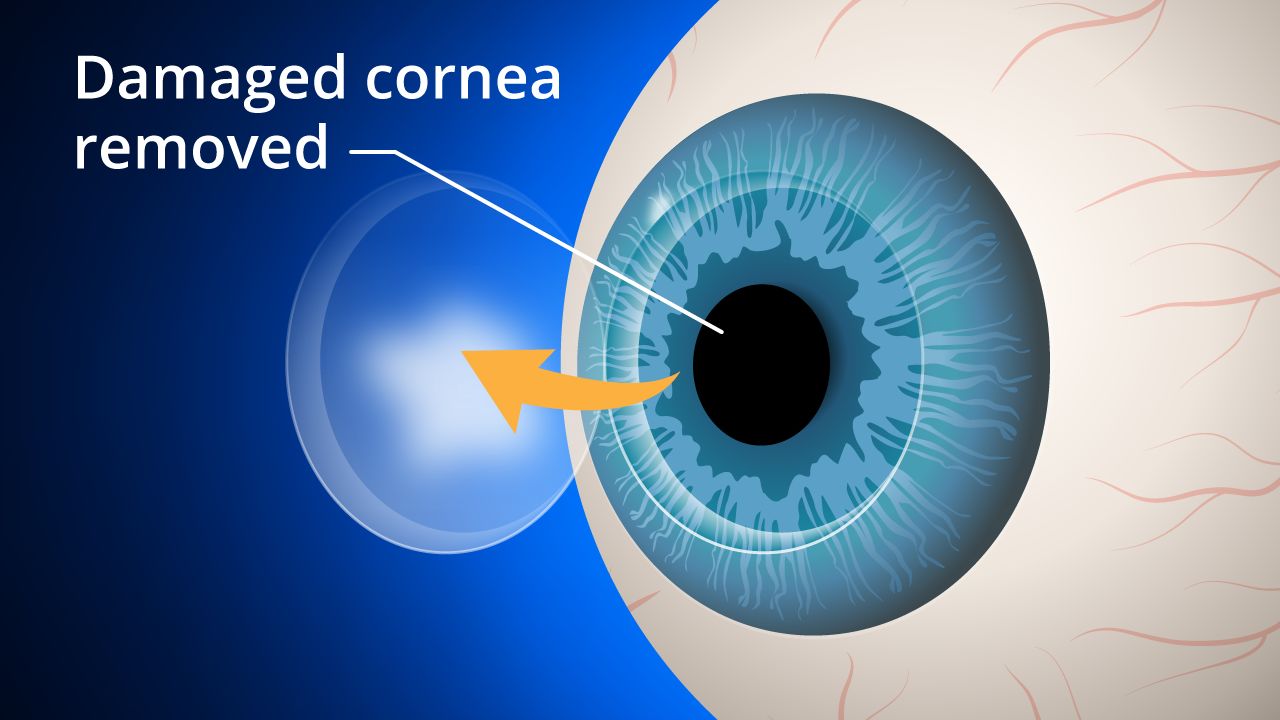
An Osaka University research team has concluded that the world's first clinical trial, transplanting corneal tissues derived from induced pluripotent stem cells, or iPS cells, was safe and effective.
According to the team at Osaka University led by Professor Koji Nishida, none of the four almost-blind patients had rejection or tumorigenicity of the transplanted cells, and all of their symptoms improved.
Three of the patients had improved vision, with one going from 0.15 to 0.7, according to the researchers. The iPS cells were developed by Shinya Yamanaka of Kyoto University, who was awarded the Nobel Prize in Physiology or Medicine in 2012 for his work. They can grow into any form of bodily tissue.
In 2023, a clinical trial will be conducted with the goal of putting the treatment into practice within the next three to four years.
The new approach is expected to address concerns such as transplant rejection and a chronic scarcity of corneal donors. As of the end of March 2021, some 1,700 patients in Japan were waiting for corneal donations.
To construct 0.05-millimeter thick sheet-like corneal tissues for the clinical trials, researchers cultured corneal cells from another individual's iPS cells housed at Kyoto University.
The transplants were conducted on four patients in their 30s to 70s who had corneal epithelial stem cell deficit, a disorder characterized by the loss of cells in the eye that make the cornea, between July 2019 and December 2020.
Other than transplants, there is no effective treatment for the illness, which can cause vision loss and deterioration.







