


 Tencent Shares Slide After WeChat Restricts YuanBao AI Promotional Links
  Nvidia Nears $20 Billion OpenAI Investment as AI Funding Race Intensifies
  SpaceX Pushes for Early Stock Index Inclusion Ahead of Potential Record-Breaking IPO
  Sam Altman Reaffirms OpenAI’s Long-Term Commitment to NVIDIA Amid Chip Report
  SoftBank and Intel Partner to Develop Next-Generation Memory Chips for AI Data Centers
  Nintendo Shares Slide After Earnings Miss Raises Switch 2 Margin Concerns
  TSMC Eyes 3nm Chip Production in Japan with $17 Billion Kumamoto Investment
  Anthropic Eyes $350 Billion Valuation as AI Funding and Share Sale Accelerate
  Oracle Plans $45–$50 Billion Funding Push in 2026 to Expand Cloud and AI Infrastructure
  Nvidia, ByteDance, and the U.S.-China AI Chip Standoff Over H200 Exports
  Nvidia CEO Jensen Huang Says AI Investment Boom Is Just Beginning as NVDA Shares Surge
  SpaceX Prioritizes Moon Mission Before Mars as Starship Development Accelerates
  Sony Q3 Profit Jumps on Gaming and Image Sensors, Full-Year Outlook Raised
  Palantir Stock Jumps After Strong Q4 Earnings Beat and Upbeat 2026 Revenue Forecast
  Nvidia Confirms Major OpenAI Investment Amid AI Funding Race


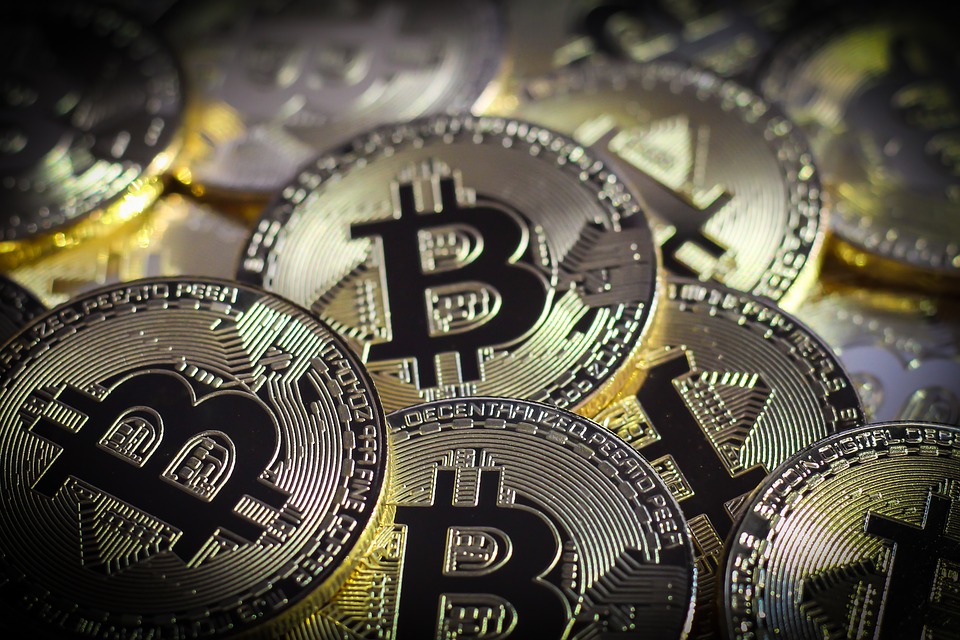
Japan is looking to makes changes to the tax categorization that governs the cryptocurrency market. However, the country’s minister of finance believes the public will not take kindly to the change and expects resistance from the masses, Cointelegraph reported.
As it stands, cryptocurrency is classified as a “miscellaneous income.” A senator asked Japanese Deputy Prime Minister Taro Aso, who is also the country's minister of finance, whether they could categorize it as a “separate settlement taxation.” Aso replied he was doubtful since the public might bring up “tax fairness” if the transition goes through.
The tax for cryptocurrency in the country is between 15 percent to 55 percent, with the latter applying to individuals earning 40 million yen ($365,000) annually. The change suggested by the senator would change that number to a fixed 20 percent, which is what governs stocks and forex trades.
While it’s understandable that Japan wants to impose limitations on this new investment, some countries like Singapore have looser restrictions on it. For instance, the country doesn’t enforce a capital gains tax on long-term investments on cryptocurrencies, resulting in wealthy investors from Japan and other countries relocating their headquarters to Singapore.
The senator and Aso’s dialogue occurred during a recent Upper House Budget Committee meeting. Other subjects touched upon by the committee were the international regard of cryptocurrency and how it currently stands on unstable terrain.
The deputy prime minister also brought up the significance of blockchain, although he cautioned against the controversies surrounding it as it is the technology that underpins cryptocurrencies. The innovation has been making a lot of sectors remodel their systems, with the shipping and financial industry being at the forefront of this change.
Regulations of cryptocurrency are also gaining more and more momentum in the country but have come across a minor setback as two officials of the government’s regulatory crypto exchange body stepped down recently. The reason was that their own crypto exchange companies were hit with regulatory restrictions concerning anti-money laundering activities and know-your-customer mandate.













