


 Oil Prices Dip as Trump Eyes Iran De-escalation, Hormuz Closure Persists
  Novartis to Acquire Biotech Firm Excellergy in $2 Billion Deal
  SoftwareONE Posts 22.5% Revenue Surge in 2025 on Crayon Acquisition
  WTO Ministerial Collapse Leaves Global Digital Trade Rules in Limbo
  McDonald's and Restaurant Brands International Face Headwinds Amid Iran Conflict and Rising Costs
  Luxury Car Sales in the Middle East Take a Hit Amid Iran War
  U.S. Stock Futures Surge After WSJ Report on Trump's Iran War Exit Strategy
  Eli Lilly and Insilico Medicine Forge $2.75 Billion AI-Driven Drug Discovery Deal
  Chinese Universities with PLA Ties Found Purchasing Restricted U.S. AI Chips Through Super Micro Servers
  Nomura Upgrades PDD Holdings to Buy, Calls Stock Too Cheap to Ignore
  Ukrainian Drones and the #MadeByHousewives Movement: Kyiv Fires Back at Rheinmetall CEO
  Europe's Aviation Sector on Track to Meet 2025 Green Fuel Mandate
  Federal Judge Blocks Pentagon's Blacklisting of AI Company Anthropic
  Unilever and Magnum Face Defamation Lawsuit Over Ben & Jerry's Board Chair Dismissal
  SMIC Allegedly Supplies Chipmaking Tools to Iran's Military, U.S. Officials Warn
  Apple Turns 50: From Garage Startup to AI Crossroads
  Bessent: Global Oil Market Well Supplied as U.S. Eyes Hormuz Navigation Control


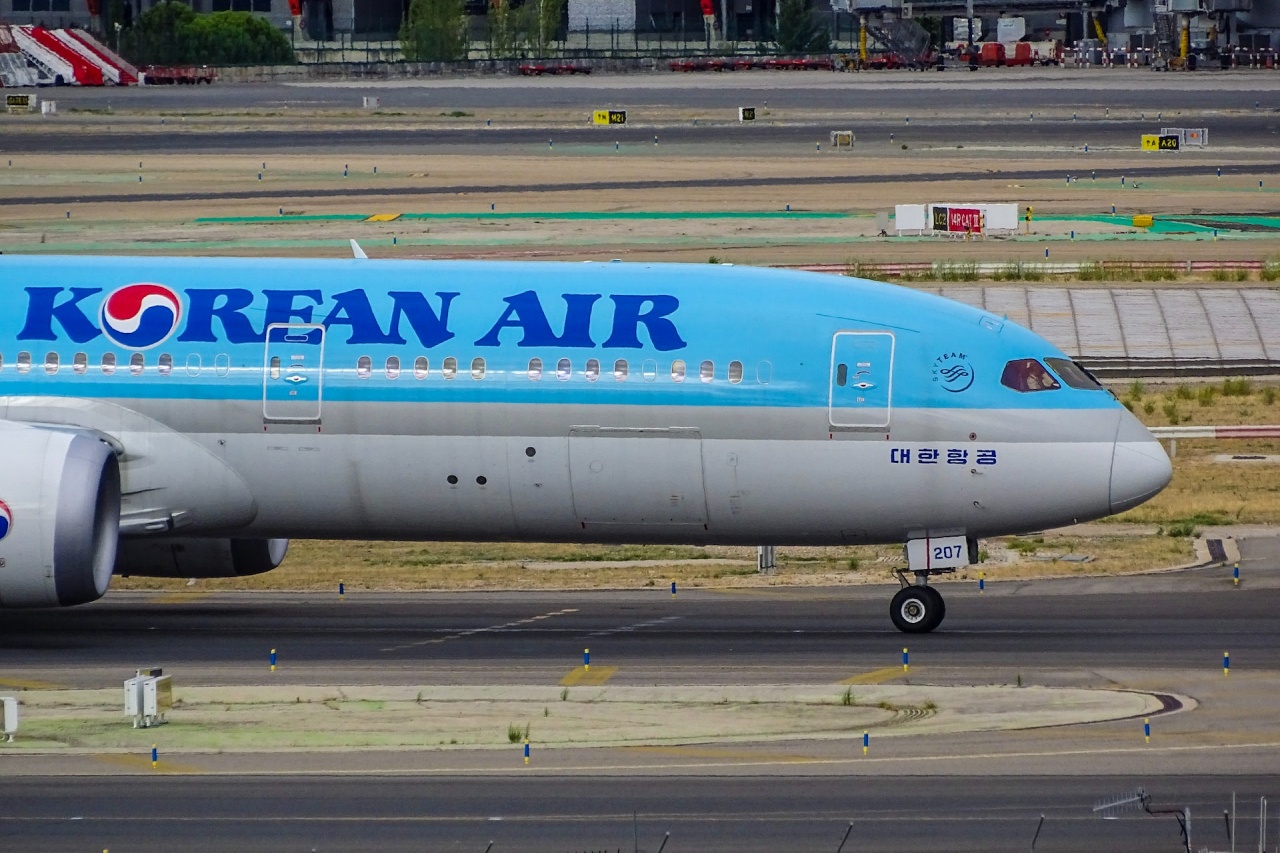
Korean Air and Asiana Airlines’ merger is moving forward in a positive way as China also gave its approval for the deal. With the Chinese anti-trust regulator’s “go ahead” signal, the airlines are now waiting for the remaining four countries to approve as well.
Korean Air said on Tuesday, Dec. 27, that China finally approved its consolidation with Asiana Airlines, which is a smaller company that has been its local rival. The flag carrier of South Korea revealed that before the Ministry of Commerce of the People's Republic of China granted the approval, it has asked the merged Korean Air and Asiana unit to lessen its market share because of some concerns over competition.
According to Yonhap News Agency, the airline responded to the demand by submitting solutions in case of a possible monopoly on nine avenues between the two countries. Moreover, the company forwarded documents to the antitrust regulators in 14 countries In January 2021 for them to review its merger with Asiana Airlines.
So far, Korean Air has already secured approval from 10 nations, including the Philippines, South Korea, Singapore, Australia, Thailand, Turkey, Taiwan, Vietnam, China, and Malaysia. It is now waiting to receive an “okay” from the European Union, Britain, the United States, and Japan.
In any case, Korean Air and Asiana’s acquisition deal will create one of the biggest airlines in the world, securing the 10th place based on fleet size. This will also make the former the largest shareholder of the latter by owning a 63.9% stake once the deal is completed. Korean Air is investing $1.5 billion in the purchase of a controlling stake in Asiana.
Meanwhile, it was predicted that Britain would also approve this merger. In a report earlier this month, it was said that the region’s antitrust regulator is more likely to allow the deal to proceed since Korean Air already offered solutions to resolve the monopoly concerns. Britain's Competition and Markets Authority (CMA) is expected to hand out its final decision on the deal as early as Jan. 26, 2023, but not later than March 23.
Photo by: Miguel Ángel Sanz/Unsplash







