


 India–U.S. Interim Trade Pact Cuts Auto Tariffs but Leaves Tesla Out
  Pentagon Ends Military Education Programs With Harvard University
  Japan Election 2026: Sanae Takaichi Poised for Landslide Win Despite Record Snowfall
  Trump Signs Executive Order Threatening 25% Tariffs on Countries Trading With Iran
  Jack Lang Resigns as Head of Arab World Institute Amid Epstein Controversy
  U.S.-India Trade Framework Signals Major Shift in Tariffs, Energy, and Supply Chains
  New York Legalizes Medical Aid in Dying for Terminally Ill Patients
  Japan’s Prime Minister Sanae Takaichi Secures Historic Election Win, Shaking Markets and Regional Politics
  Ghislaine Maxwell to Invoke Fifth Amendment at House Oversight Committee Deposition
  Trump Backs Nexstar–Tegna Merger Amid Shifting U.S. Media Landscape
  Trump Says “Very Good Talks” Underway on Russia-Ukraine War as Peace Efforts Continue
  Israel Approves West Bank Measures Expanding Settler Land Access
  Sydney Braces for Pro-Palestine Protests During Israeli President Isaac Herzog’s Visit
  Federal Judge Restores Funding for Gateway Rail Tunnel Project
  China Warns US Arms Sales to Taiwan Could Disrupt Trump’s Planned Visit
  Trump Administration Appeals Court Order to Release Hudson Tunnel Project Funding
  Bangladesh Election 2026: A Turning Point After Years of Political Suppression


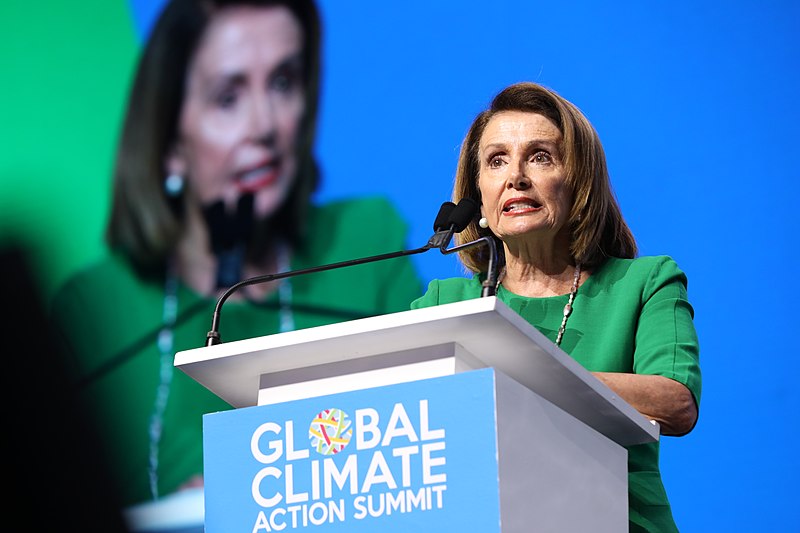
Congress is now targeting tech companies in several antitrust bills that would be passing through both the House and the Senate. A report by the New York Times revealed that Apple CEO Tim Cook called House Speaker Nancy Pelosi, urging her to slow down the passage of the bills.
The outlet reports that Cook personally lobbied Pelosi as part of the sector’s efforts to slow down new antitrust legislation. This comes as the House Judiciary Committee voted Wednesday regarding six new antitrust bills. The antitrust bills would target Apple, Google, Amazon, and Facebook, breaking up any market dominance the companies may have.
Cook told Pelosi over the phone that he believed the proposals were rushed and would hinder innovation, according to people familiar with the matter. Pelosi, however, pushed back on Cook’s claim and asked the Apple CEO to name two specific policy objections. The Apple CEO also spoke with several members of Congress on the phone, but the outlet did not reveal which lawmakers and how many members were spoken to.
Cook is not the only one who lobbied lawmakers against the passage of the bill. Amazon’s Vice President of Public Policy Brian Huseman released a statement Tuesday ahead of the vote saying that the bills would hurt small-business owners who sell their goods on Amazon. Google’s senior vice president for global affairs, Kent Walker, was also reported to have called lawmakers.
Meanwhile, Congress is also looking to pass President Joe Biden’s trillion-dollar infrastructure package, with a bipartisan proposal as one of the goals in making up the deal. However, Pelosi said that the House will not vote on a bipartisan infrastructure proposal until the Senate passes a larger package through reconciliation. This would allow the Democratic Party to pass the proposal without Senate Republican obstruction through the filibuster.
Pelosi’s comments are meant to assure progressive Democrats who fear that the bipartisan deal could hinder efforts to bring forward a larger package of priorities through budget reconciliation.
“Let me be really clear on this: We will not take up a bill in the House until the Senate passes the bipartisan bill and a reconciliation bill. If there is no bipartisan bill, then we’ll just go when the Senate passes a reconciliation bill,” said Pelosi at a press conference at the Capitol.













