


 Brazil Court Bars Flavio Bolsonaro From Visiting Jair Bolsonaro Ahead of Election
  Venezuela Appoints Felix Plasencia to Lead Foreign Relations and Trade
  Zelenskiy Plans Ukraine Government Shake-Up as Prime Minister Svyrydenko Set to Step Down
  Trump Administration Bars U.S. Travelers From Congo Flights Amid Ebola Outbreak
  Trump Administration Launches AI Cybersecurity Partnership to Protect Critical Infrastructure
  Western Allies Push for More Air Defenses for Ukraine at Paris Summit
  Republican Senator Lindsey Graham Dies at 71, Leaving South Carolina Senate Seat Vacant
  Trump Says U.S. Strikes on Iran Will Continue Until Nuclear Deal Is Reached
  Iraq PM Visits Washington as U.S. Oil, Gas Deals Take Center Stage
  UK Sanctions 24 Russian-Linked Targets Over Cyberattacks and Election Interference
  Russia Launches Missile and Drone Attacks on Kyiv, Zaporizhzhia, and Kharkiv
  Minnesota Wildfires Spread as Governor Tim Walz Deploys National Guard
  HHS Watchdog Reports $5.56 Billion in Healthcare Fraud Recoveries as Enforcement Actions Decline
  Israel-Lebanon Talks Resume in Rome as Ceasefire and Troop Withdrawal Remain Elusive
  EU Ministers Split as Support Grows for Ban on Trade With Israeli West Bank Settlements
  UN Says Hamas Disrupted Gaza Aid Distribution, Group Denies Allegations
  Israeli Strikes Kill Six in Gaza as Ceasefire Talks Continue in Cairo


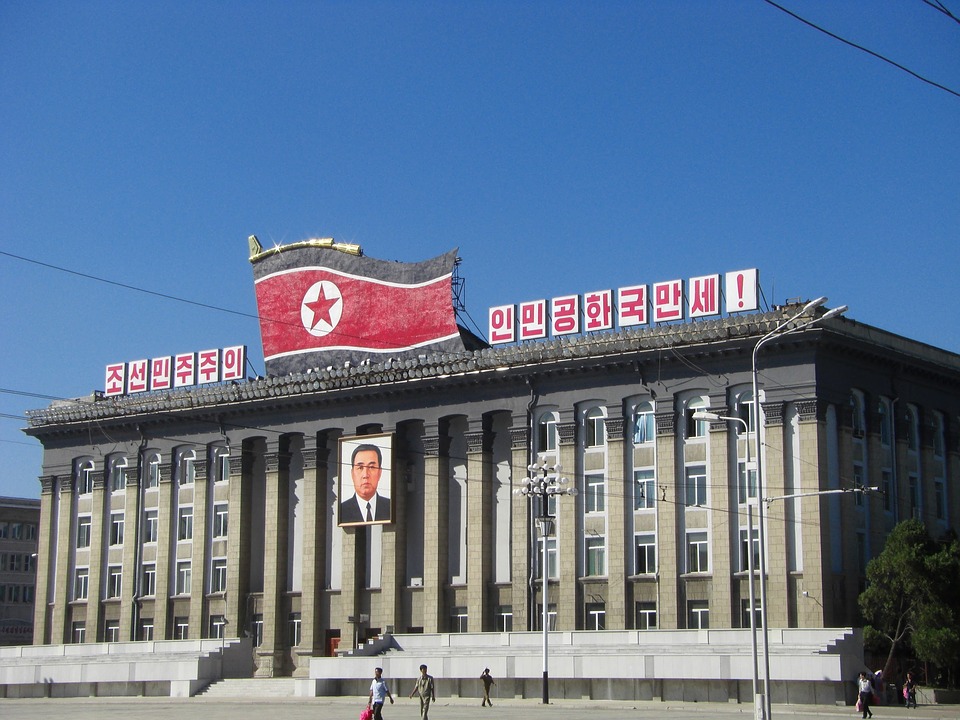
Pyongyang has taken efforts to diminish its fears of its citizens getting influenced by South Korean culture. North Korea further continues its crackdown on South Korean influence in the isolated nation, by forcing women to call their lovers by a different term of endearment.
There is an ongoing campaign by North Korea to rid the nation of its southern counterpart’s influence on culture, having already banned fashion, music, and hairstyles from South Korea on its citizens. South Korean slang has also been added to what is supposedly forbidden now in North Korea. Last June, South Korean politician Ha Tae Keung reported that intelligence reports have now revealed that North Korean women are no longer allowed to call their lovers “oppa” but rather “male comrades.”
To note, “oppa” is commonly used by women to call their romantic partners in South Korea as well as a term to call a man who is older than the woman.
This comes as North Korean outlet Roding Sinmun published a piece denouncing any South Korean influence on its citizens. The piece said that the state’s thought and spirit are reflected in clothing, hairstyles, and language. The piece said that North Korean youth must stick to the language used in Pyongyang that is deemed “superior.”
The editorial went on to further say that losing the culture war would bring consequences that are more serious compared to the conflict in war. Kim Jong Un’s regime has since resorted to stricter penalties on North Koreans who are caught consuming South Korean culture. The death penalty is included in the possible punishment.
Previously, North Korea’s foreign ministry published a rebuke of US humanitarian aid on an official website. Senior researcher Kang Hyon Cheol, who is from the ministry-affiliated Promotion of International Economic and Technological Exchange, cited that humanitarian aid has a direct correlation to the foreign policy goals of the US or its pressure on human rights issues.
“This vividly reveals that the American ulterior intention of linking ‘humanitarian assistance’ with ‘human rights issue’ is to legitimize their pressure on the sovereign states and achieve their sinister political scheme,” wrote Kang. Kang also cited the recent withdrawal of US troops from Afghanistan as an example.







