


 Jack Lang Resigns as Head of Arab World Institute Amid Epstein Controversy
  Israel Approves West Bank Measures Expanding Settler Land Access
  Trump Allows Commercial Fishing in Protected New England Waters
  Trump Lifts 25% Tariff on Indian Goods in Strategic U.S.–India Trade and Energy Deal
  Japan’s Prime Minister Sanae Takaichi Secures Historic Election Win, Shaking Markets and Regional Politics
  Trump’s Inflation Claims Clash With Voters’ Cost-of-Living Reality
  Trump Slams Super Bowl Halftime Show Featuring Bad Bunny
  Bosnian Serb Presidential Rerun Confirms Victory for Dodik Ally Amid Allegations of Irregularities
  Pentagon Ends Military Education Programs With Harvard University
  Trump Administration Appeals Court Order to Release Hudson Tunnel Project Funding
  China Warns US Arms Sales to Taiwan Could Disrupt Trump’s Planned Visit
  India–U.S. Interim Trade Pact Cuts Auto Tariffs but Leaves Tesla Out
  Anutin’s Bhumjaithai Party Wins Thai Election, Signals Shift Toward Political Stability
  U.S.-India Trade Framework Signals Major Shift in Tariffs, Energy, and Supply Chains
  US Pushes Ukraine-Russia Peace Talks Before Summer Amid Escalating Attacks
  Trump Says “Very Good Talks” Underway on Russia-Ukraine War as Peace Efforts Continue
  Japan Election 2026: Sanae Takaichi Poised for Landslide Win Despite Record Snowfall


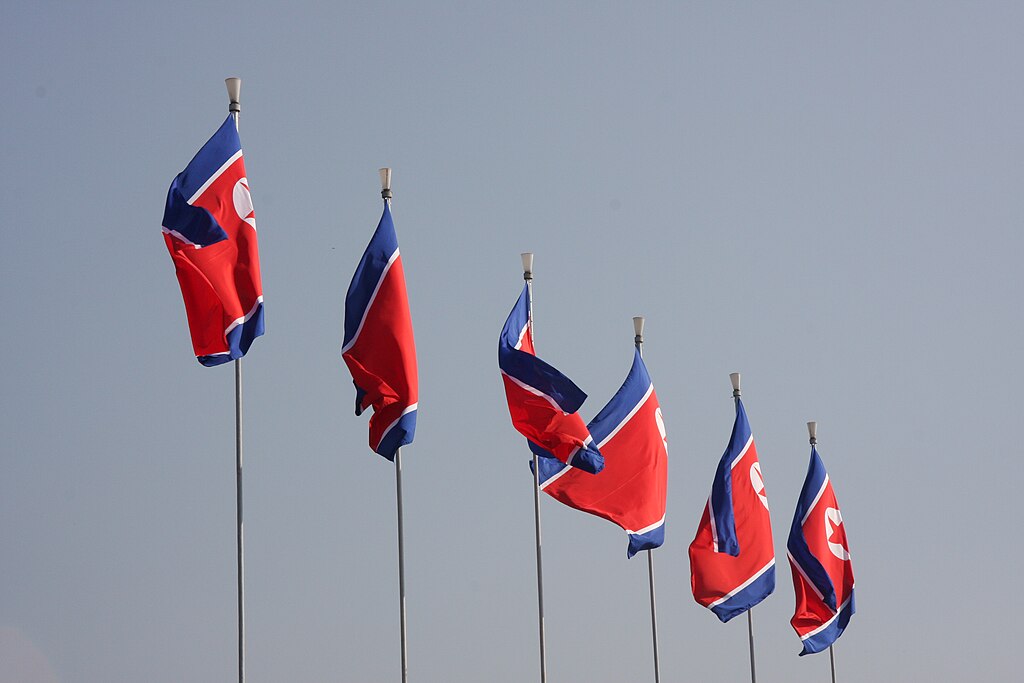
North Korea has once again heightened regional tensions after firing a ballistic missile toward the sea off its east coast, according to a statement released Sunday by South Korea’s Joint Chiefs of Staff. The missile is believed to have already landed in the sea, Japan’s Ministry of Defense confirmed, adding to concerns over Pyongyang’s continued weapons testing and military expansion.
This launch marks North Korea’s first ballistic missile test since November, signaling a renewed focus on military demonstrations at a time of heightened diplomatic activity in the region. The timing is particularly notable as South Korean President Lee Jae Myung began a state visit to China on Sunday. Analysts suggest that during meetings in Beijing, Lee may request China’s assistance in encouraging dialogue and reducing tensions with North Korea, given China’s influence over Pyongyang.
The missile test comes amid a broader push by North Korean leader Kim Jong Un to significantly expand the country’s weapons production capabilities. During a recent visit to a munitions factory, Kim called for more than doubling the production capacity of tactical guided weapons, according to reports from North Korea’s state media. This directive underscores Pyongyang’s determination to strengthen its military despite ongoing international sanctions.
In recent weeks, Kim Jong Un has conducted a series of high-profile inspections of weapons manufacturing facilities and strategic military assets. These include visits to factories producing advanced weaponry and a tour of a nuclear-powered submarine, highlighting North Korea’s focus on enhancing both conventional and nuclear capabilities. Kim has also personally overseen missile tests, reinforcing his hands-on approach to defense development.
These activities are unfolding ahead of the Ninth Party Congress of the Workers’ Party, scheduled for later this year. The congress is expected to outline North Korea’s major policy goals, including its military and defense strategy. As North Korea continues ballistic missile launches and accelerates weapons production, regional players such as South Korea, Japan, China, and the United States remain on alert, closely monitoring developments that could impact security and stability in Northeast Asia.













