


 Asian Markets Surge as Japan Election, Fed Rate Cut Bets, and Tech Rally Lift Global Sentiment
  Asian Stocks Slip as Tech Rout Deepens, Japan Steadies Ahead of Election
  Japan Economy Poised for Q4 2025 Growth as Investment and Consumption Hold Firm
  Gold and Silver Prices Rebound After Volatile Week Triggered by Fed Nomination
  U.S. Stock Futures Rise as Markets Brace for Jobs and Inflation Data
  Japanese Pharmaceutical Stocks Slide as TrumpRx.gov Launch Sparks Market Concerns
  Trump Lifts 25% Tariff on Indian Goods in Strategic U.S.–India Trade and Energy Deal
  Trump Signs Executive Order Threatening 25% Tariffs on Countries Trading With Iran
  India–U.S. Interim Trade Pact Cuts Auto Tariffs but Leaves Tesla Out
  Nikkei 225 Hits Record High Above 56,000 After Japan Election Boosts Market Confidence
  U.S.-India Trade Framework Signals Major Shift in Tariffs, Energy, and Supply Chains
  China Extends Gold Buying Streak as Reserves Surge Despite Volatile Prices
  Australian Pension Funds Boost Currency Hedging as Aussie Dollar Strengthens
  Asian Currencies Stay Rangebound as Yen Firms on Intervention Talk


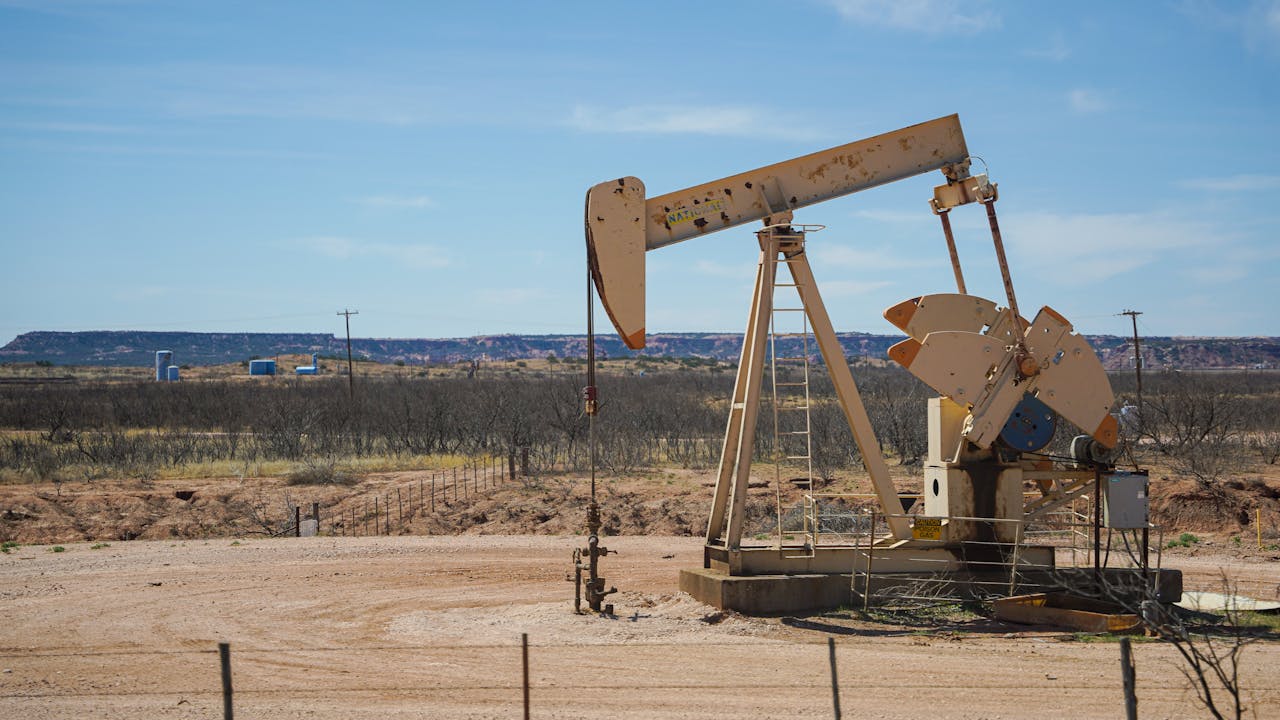
Oil prices rebounded sharply in early Asian trading on Wednesday after U.S. President Donald Trump ordered a “total and complete blockade” of all sanctioned oil tankers traveling to and from Venezuela, triggering fresh geopolitical risk premiums in the energy market. The move came after crude prices had slumped to multi-year lows in the previous session amid concerns of a global supply glut.
Brent crude futures for February delivery rose 0.8% to $59.38 per barrel, while West Texas Intermediate (WTI) crude gained 1% to $55.75 per barrel. Earlier in the session, WTI prices surged as much as 1.7%, briefly touching $56.19 per barrel. The rebound offered short-term relief after both benchmarks fell to their lowest levels in nearly five years due to oversupply fears.
President Trump announced the blockade via social media, stating that the U.S. would target all sanctioned oil tankers linked to Venezuela and formally labeling the Nicolas Maduro government a “foreign terrorist organization.” The announcement marks an escalation in Washington’s pressure campaign against Venezuela, which Trump has accused of facilitating illegal drug trafficking and criminal activity into the United States. Last week, U.S. forces seized an oil tanker off the Venezuelan coast, and Trump has previously hinted at the possibility of military action.
According to ING analysts, Venezuela exported approximately 600,000 barrels per day of oil in November, with the majority shipped to China. These exports are expected to decline following the latest U.S. actions, potentially tightening short-term supply conditions.
Despite the rebound, oil prices remain under pressure from broader macro factors. Analysts continue to warn of a significant global oil surplus in 2026, driven by record U.S. crude production, steady output from OPEC+ producers, and slower demand growth, particularly from China. Additionally, optimism surrounding potential peace talks between Russia and Ukraine has weighed on prices, as eased sanctions could allow more Russian oil to return to global markets.
Further influencing prices, the American Petroleum Institute reported a sharp 9.3 million-barrel drop in U.S. crude inventories last week, far exceeding expectations. However, increases in gasoline and distillate inventories pointed to softer fuel demand, limiting the upside for oil prices in the near term.













