


 U.S. Stock Futures Rise as Markets Brace for Jobs and Inflation Data
  Yen Slides as Japan Election Boosts Fiscal Stimulus Expectations
  Australian Household Spending Dips in December as RBA Tightens Policy
  Innovent Biologics Shares Rally on New Eli Lilly Oncology and Immunology Deal
  Global PC Makers Eye Chinese Memory Chip Suppliers Amid Ongoing Supply Crunch
  Anta Sports Expands Global Footprint With Strategic Puma Stake
  Bank of Japan Signals Readiness for Near-Term Rate Hike as Inflation Nears Target
  Trump Signs Executive Order Threatening 25% Tariffs on Countries Trading With Iran
  Weight-Loss Drug Ads Take Over the Super Bowl as Pharma Embraces Direct-to-Consumer Marketing
  Asian Markets Surge as Japan Election, Fed Rate Cut Bets, and Tech Rally Lift Global Sentiment
  Trump Backs Nexstar–Tegna Merger Amid Shifting U.S. Media Landscape
  India–U.S. Interim Trade Pact Cuts Auto Tariffs but Leaves Tesla Out
  Asian Stocks Slip as Tech Rout Deepens, Japan Steadies Ahead of Election
  Oil Prices Slip as U.S.-Iran Talks Ease Middle East Tensions
  Vietnam’s Trade Surplus With US Jumps as Exports Surge and China Imports Hit Record
  RBI Holds Repo Rate at 5.25% as India’s Growth Outlook Strengthens After U.S. Trade Deal
  Sony Q3 Profit Jumps on Gaming and Image Sensors, Full-Year Outlook Raised


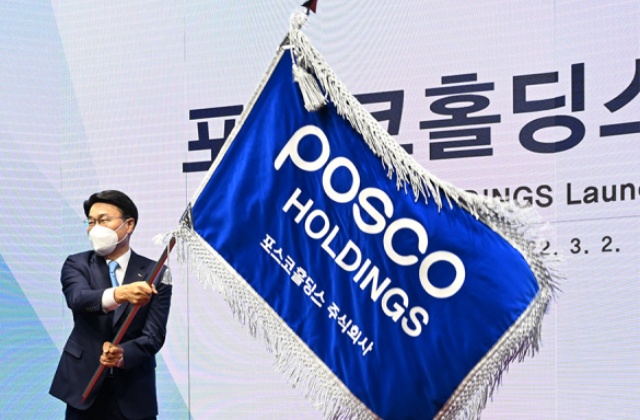
POSCO, a South Korean steelmaking giant, is investing $20 billion or around ₩25 trillion in an effort to become the no. 1 EV materials company in the world by the year 2030. The company is also aiming to beat its Chinese rivals by securing a stable supply of central raw materials needed for the production of batteries for electric vehicles.
POSCO Holdings Inc. will attempt to attain its goals through this new investment for its long-term project. As per The Korea Economic Daily, the company will make the investment until 2030 and spread it out on various rechargeable battery projects.
The company’s funds may also be used for the purchase of stakes in battery material companies, mineral mines, and other related facilities around Asia. This is for the company to have its own source of raw materials.
Moreover, the massive investment will also help the company with building its own battery metal supply chain as well as cut down South Korea’s heavy reliance on sourcing materials from Chinese companies and suppliers. This is the first time that POSCO has revealed specific details about its investment plans since its chief executive officer Choi Jeong Woo said last year that they are aiming to be the biggest battery materials player in the world.
“China is sweeping the lithium and other battery materials market. It’s literally war,” POSCO Holding’s senior vice president of secondary batter business, Lee Kyung Sub, said in an interview with KED this week.
Lee, who is also the head of the company’s investment strategy, further said that they will be building a synthetic graphite plant in the United States and will spend between 300 billion won and 400 billion won for this. He also shared POSCO’s plans to invest in a nickel mine in Indonesia and construct a new nickel plant in Brazil.
“This is not a wild dream,” Lee said. “We expect battery materials to lead the Korean economy over the next decade or two just like chips, shipbuilding and chemicals did over the past two decades.”
Meanwhile, Reuters reported that POSCO Holdings also invested $4 billion in a lithium project in Argentina. This comes as it is seeking to tap into the rising demand for rechargeable battery metal.













