


 Trump Signs Executive Order Threatening 25% Tariffs on Countries Trading With Iran
  Global Markets Slide as AI, Crypto, and Precious Metals Face Heightened Volatility
  RBI Holds Repo Rate at 5.25% as India’s Growth Outlook Strengthens After U.S. Trade Deal
  Lee Seung-heon Signals Caution on Rate Hikes, Supports Higher Property Taxes to Cool Korea’s Housing Market
  DBS Expects Slight Dip in 2026 Net Profit After Q4 Earnings Miss on Lower Interest Margins
  Australian Household Spending Dips in December as RBA Tightens Policy
  Nvidia CEO Jensen Huang Says AI Investment Boom Is Just Beginning as NVDA Shares Surge
  Taiwan Says Moving 40% of Semiconductor Production to the U.S. Is Impossible
  Gold and Silver Prices Climb in Asian Trade as Markets Eye Key U.S. Economic Data
  FDA Targets Hims & Hers Over $49 Weight-Loss Pill, Raising Legal and Safety Concerns
  U.S.-India Trade Framework Signals Major Shift in Tariffs, Energy, and Supply Chains
  Asian Currencies Stay Rangebound as Yen Firms on Intervention Talk
  OpenAI Expands Enterprise AI Strategy With Major Hiring Push Ahead of New Business Offering
  Rio Tinto Shares Hit Record High After Ending Glencore Merger Talks
  Missouri Judge Dismisses Lawsuit Challenging Starbucks’ Diversity and Inclusion Policies
  Trump Lifts 25% Tariff on Indian Goods in Strategic U.S.–India Trade and Energy Deal
  American Airlines CEO to Meet Pilots Union Amid Storm Response and Financial Concerns


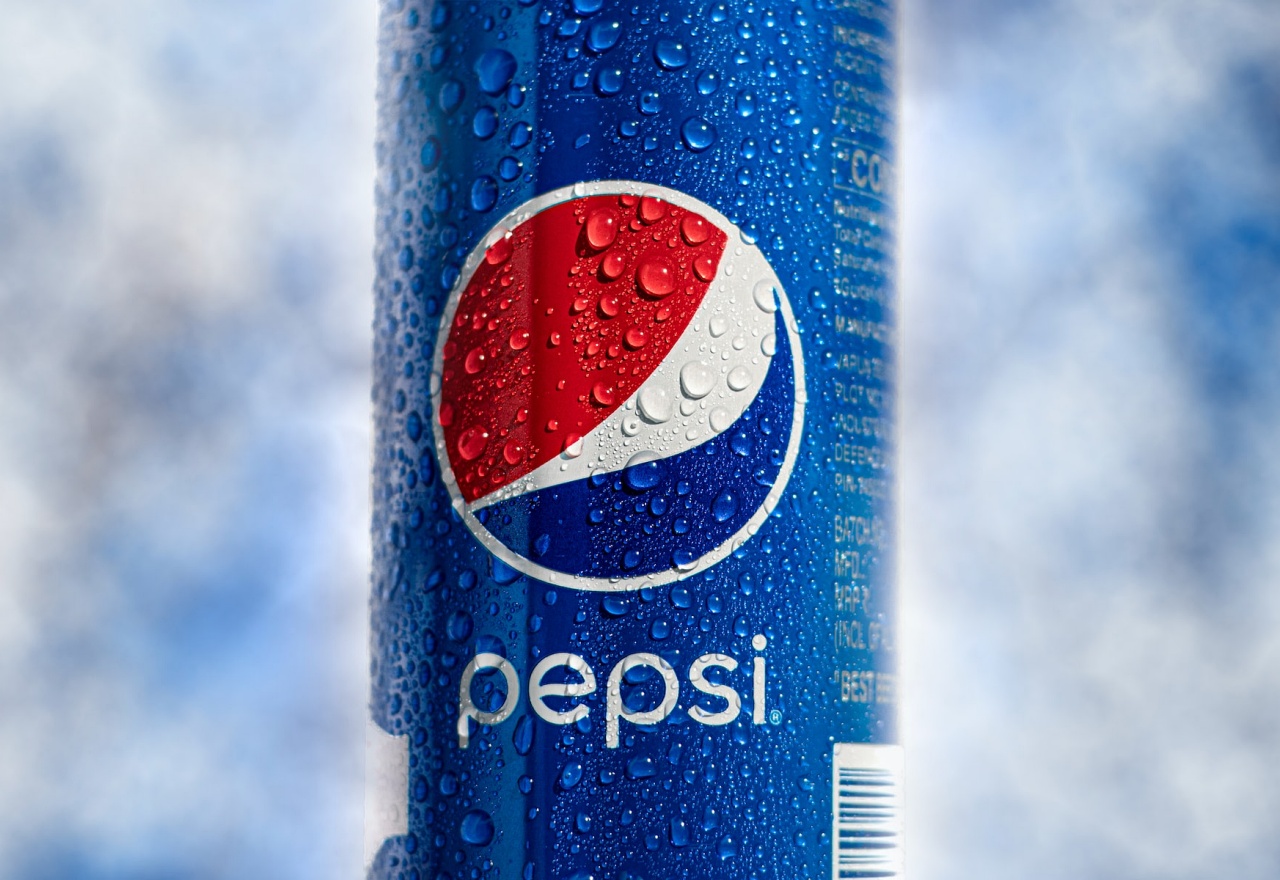
PepsiCo Inc. officially halted the production of its carbonated beverage brands, including Pepsi, Mountain Dew, and 7UP, in Russia. The decision came almost six months after the company promised to stop the sales and manufacturing of its products after Vladimir Putin ordered the invasion of Ukraine in late February this year.
According to Reuters, Pepsico made the announcement after the publication saw many supermarkets, retailers, gyms, and other places in Moscow with cans and bottles of Pepsi beverages bearing the production dates of July and August. Apparently, these were produced in Pepsico's Russian factories.
Reuters further shared that it saw first-hand that the Pepsi products in Russia were produced very recently, and the latest was dated Aug. 17. After the discovery, the American multinational food, snack, and beverage firm sent a statement to the publication. Pepsico informed Reuters that it had already stopped producing concentrates for the production of 7UP, Mirinda, Pepsi Cola, and Mountain Dew in Russia.
In a statement sent to the publication on Sept. 8, PepsiCo's spokesman said, "All concentrates have subsequently been exhausted in Russia and production has ended." It was noted that this short remark was the company's first public comment after stating in March that it would suspend its business activities, including production in the country.
"As many of you know, we have been operating in Russia for more than 60 years, and we have a place in many Russian homes. Pepsi-Cola entered the market at the height of the Cold War and helped create common ground between the United States and the Soviet Union," PepsiCo's chief executive officer, Ramon Laguarta, wrote in a message that was sent to the company's associates at that time.
He added, "However, given the horrific events occurring in Ukraine we are announcing the suspension of the sale of Pepsi-Cola, and our global beverage brands in Russia, including 7Up and Mirinda. We will also be suspending capital investments and all advertising and promotional activities in Russia."
Meanwhile, the spokesperson said that the decision to halt the production is in line with the statements the company gave in March. However, he declined to comment about the sales, and these were halted as well.













