


 Eli Lilly and Insilico Medicine Forge $2.75 Billion AI-Driven Drug Discovery Deal
  Japan's Services Sector Growth Slows in March Amid Rising Middle East Tensions
  SoftwareONE Posts 22.5% Revenue Surge in 2025 on Crayon Acquisition
  TSMC Japan's Second Fab to Produce 3nm Chips by 2028
  BlackRock CEO Larry Fink Earns $37.7 Million in 2025 Amid Record Growth
  Oil Prices Slide as Iran Tensions Ease and U.S. Crude Stockpiles Swell
  Japan Business Sentiment Rises as Iran War Fuels Inflation Fears, BOJ Rate Hike Looms
  Luxury Car Sales in the Middle East Take a Hit Amid Iran War
  Australia's Trade Surplus Surges in February on Gold Export Boom
  Bank of America's $72.5M Epstein Settlement: What You Need to Know
  South Korea's Inflation Rises Modestly in March Amid Oil Price Pressures
  China's Services Sector Maintains Growth Streak Despite March Slowdown
  Nike Beats Q3 Estimates but China Weakness and Margin Pressure Weigh on Outlook
  Trump Expands Tariffs on Pharmaceuticals and Metals One Year After Liberation Day
  Bank of Japan Eyes Further Rate Hikes Amid Middle East Tensions and Inflation Pressures
  Trump Threatens Escalation Against Iran, Warns of Infrastructure Strikes
  Cathay Pacific Holds Firm on Flight Capacity Amid Middle East Conflict and Rising Fuel Costs


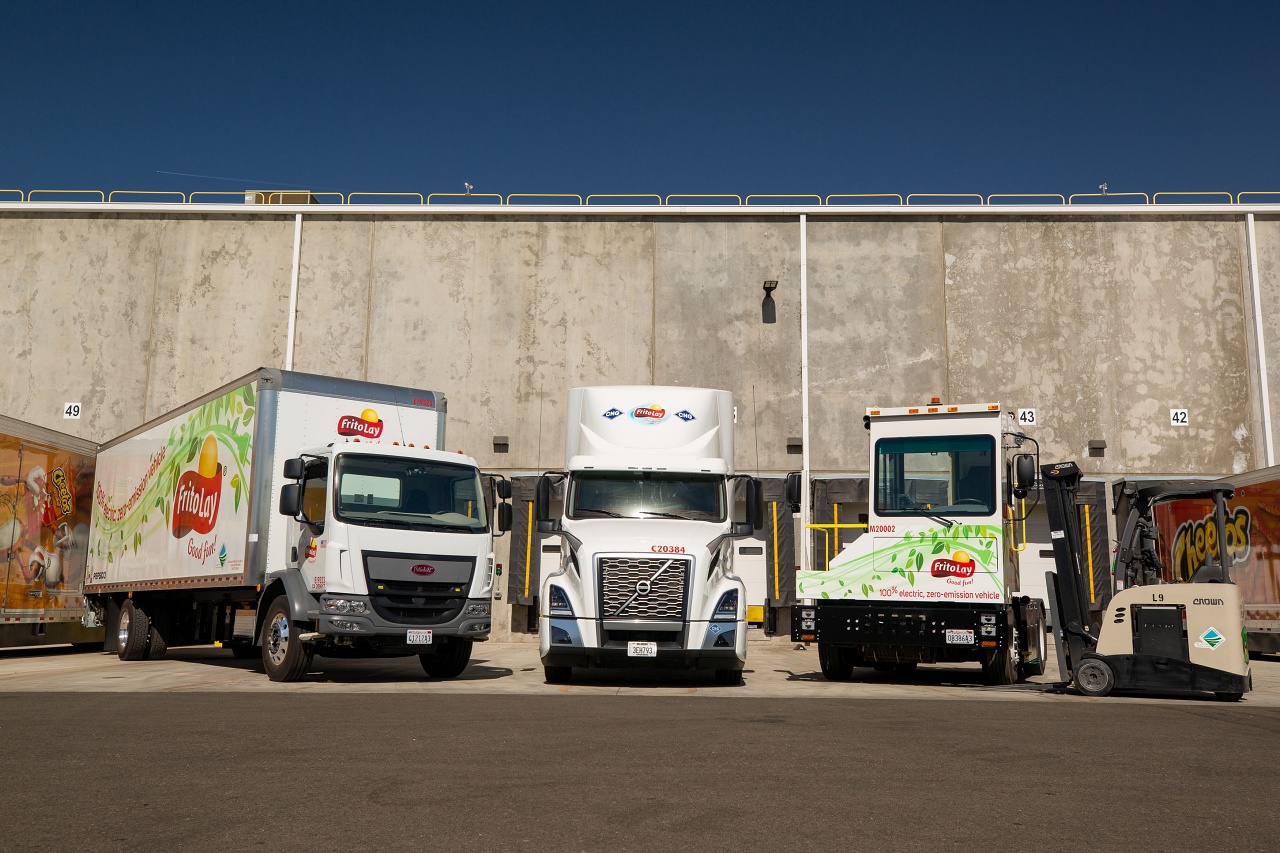
PepsiCo Inc. is moving away from diesel, instead using vegetable oil to power its UK-based truck fleet that transports potatoes for its Walker Crisps snacks, aiming to save 2,650 tons of greenhouse gases annually.
The food and beverage producer started rolling out vegetable oil-fueled trucks to bring potatoes to its Walker Crisps production plant in Leicester, England. PepsiCo sources the starchy root vegetable from across the U.K., so the trucks travel far to collect them for the company’s British snack-making subsidiary.
To save on fuel costs and reduce greenhouse gas emissions, PepsiCo decided to use hydrotreated vegetable oil (HVO) as oil to power its delivery trucks. With this shift, the company aims to save 2,650 tons of GHG annually.
Westchester & Fairfield Business County Business Journals reported that PepsiCo joined forces with AB Texel, a British agricultural logistics service provider, for this greenhouse gas emission-reducing project. The company will be using 800,000 liters of HVO oil as diesel replacement, and this amount is estimated to cover about 1.6 million miles of travel which is enough to transport 240,000 tons of potatoes per year to the Leicester factory.
“We are always looking for innovative ways to tackle our carbon footprint and the move to HVO for all our potato deliveries to Leicester, the home of Walkers, is a significant step,” PepsiCo’s sustainability chief in the U.K., Simon Devaney, said. “HVO fuel plays an important role in helping us to accelerate the decarbonization of our transport activities.”
PepsiCo UK launched this green logistics initiative last year. It was in November 2022 when the company first mentioned its plan to shift from diesel to Hydrogenated Vegetable Fuel (HVO), so the recent announcement is just an extension to increase its use of used cooking oil. With this expansion, its entire fleet in Leicester is now totally powered by vegetable oil.
Moreover, the increase in the use of cooking oil for its delivery trucks is expected to lower GHG emissions by another 5,000 tons per year. Before this year ends, PepsiCo expects to use vegetable oil for its fleets’ nine million kilometer journeys across the U.K., as per Commercial Fleet.
Photo by: Pepsico Media Gallery







