


 Singapore Budget 2026 Set for Fiscal Prudence as Growth Remains Resilient
  Trump Signs Executive Order Threatening 25% Tariffs on Countries Trading With Iran
  Samsung Electronics Shares Jump on HBM4 Mass Production Report
  Nvidia CEO Jensen Huang Says AI Investment Boom Is Just Beginning as NVDA Shares Surge
  Australian Household Spending Dips in December as RBA Tightens Policy
  FDA Targets Hims & Hers Over $49 Weight-Loss Pill, Raising Legal and Safety Concerns
  Russian Stocks End Mixed as MOEX Index Closes Flat Amid Commodity Strength
  Trump Backs Nexstar–Tegna Merger Amid Shifting U.S. Media Landscape
  Kroger Set to Name Former Walmart Executive Greg Foran as Next CEO
  Gold and Silver Prices Rebound After Volatile Week Triggered by Fed Nomination
  Rio Tinto Shares Hit Record High After Ending Glencore Merger Talks
  OpenAI Expands Enterprise AI Strategy With Major Hiring Push Ahead of New Business Offering
  DBS Expects Slight Dip in 2026 Net Profit After Q4 Earnings Miss on Lower Interest Margins
  Weight-Loss Drug Ads Take Over the Super Bowl as Pharma Embraces Direct-to-Consumer Marketing
  Nvidia, ByteDance, and the U.S.-China AI Chip Standoff Over H200 Exports
  Once Upon a Farm Raises Nearly $198 Million in IPO, Valued at Over $724 Million
  Japan Economy Poised for Q4 2025 Growth as Investment and Consumption Hold Firm


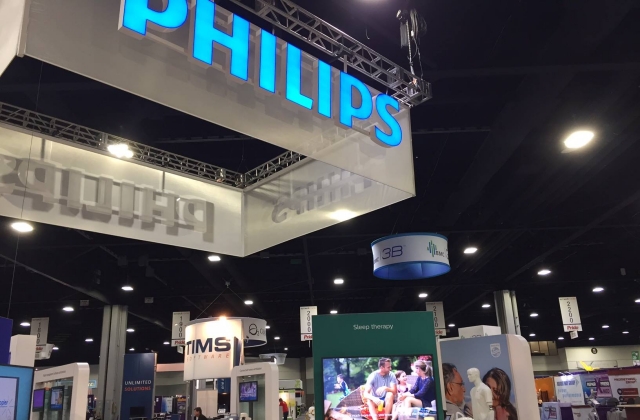
Philips initiated a voluntary recall for some of its sleep apnea machines and ventilators. The American multinational conglomerate company cited concerns for a foam component that may get detached or degrade and become toxic when inhaled by the user.
It was said that if such a thing happens, there is a possibility it could cause health issues including the development of cancer due to toxic and carcinogenic effects. To prevent this and protect the users, Philips issued a recall notification on Monday, June 14.
The affected devices and Philips’ announcement
As per Fox Business, the Philips recall will affect three to four million units of certain machine models that feature Bi-Level Positive Airway Pressure (Bi-Level PAP), Continuous Positive Airway Pressure (CPAC) and the mechanical ventilator machines. It was revealed that the company already issued the first warning over the issue in April.
Philips announced its voluntary recall notification after consulting with regulatory agencies. The company said that with the recalled products, the company will immediately take corrective actions that include the distribution of updated instructions for the repair and replacement of the affected items. As of this time, Philips is continuously monitoring reports of safety issues and so far, it has not received any reports of death due to the product issues.
It was added that due to potential risks of exposure, users may experience headaches, respiratory issues, irritation, inflammation and possible toxic or carcinogenic effects. But fortunately, there is no report of these effects yet related to chemical emissions.
“We deeply regret any concern and inconvenience that patients using the affected devices will experience because of the proactive measures we are announcing today to ensure patient safety,” Philips CEO, Frans van Houten, said in a press release. “In consultation with the relevant regulatory agencies and in close collaboration with our customers and partners, we are working hard towards a resolution. Patient safety is at the heart of everything we do at Philips.”
How Philips will solve the issue
Reuters reported that Philips is now working with the health authorities and regulators for the safety of the consumers. It is looking for a way for the safe replacement of the foam that may potentially become toxic and cause cancer.
It was added that Philips is not conducting tests and it needs to get good results so it can pass the regulatory requirements. The company will also be replacing the products that cannot be repaired or updated.













