


 Rise of the Zombie Bugs takes readers on a jaw-dropping tour of the parasite world
  Wolfspeed Sues Navitas Over GaN and SiC Patent Infringement
  Apple Sues OpenAI, Former Employees Over Alleged Trade Secret Theft
  DOJ Orders Crackdown on Birth Tourism After Supreme Court Upholds Birthright Citizenship
  Singapore GDP Grows 5.7% in Q2 2026 as AI-Driven Manufacturing Boosts Economy
  Gold Price Holds Near $4,000 as Middle East Tensions and Fed Rate Hike Bets Grow
  Australia Flags Child Safety Gaps at Apple, Meta, Google Over Online Sexual Extortion
  Dollar Holds Steady Ahead of U.S. CPI as Oil Surge, Middle East Tensions Keep Markets on Edge
  SoftBank Corp Partners With Sierra to Expand AI Customer Support Across Japan
  Asian Currencies Weaken as Stronger Dollar Weighs, Yen Supported by GPIF Repatriation Hopes
  Paramount-Warner Bros. Discovery Merger Faces Lawsuit From 12 States
  South Korea Central Bank Set to Raise Interest Rates as Inflation Stays Elevated
  Asian Stocks Slide as Oil Surge, U.S.-Iran Tensions and Fed Rate Bets Weigh on Markets
  Australia Sues Amazon Over Prime Video Ads and Subscription Terms
  Australian Business Conditions Hold Steady as Easing Cost Pressures Face New Oil Price Risks
  Burkina Faso and Mali’s fabulous flora: new plant life record released


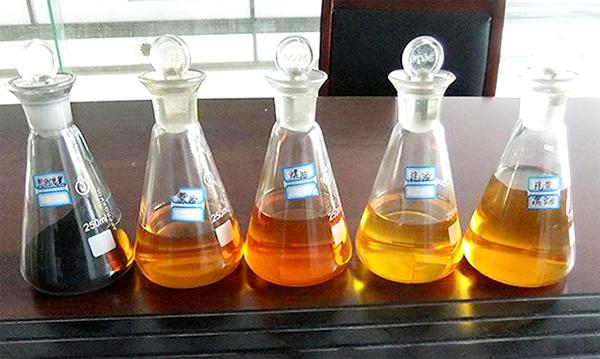
The Ministry of Environment announced that a revision of the enforcement ordinances and regulations of the Waste Management Act came into effect on Tuesday allowing plastic waste pyrolysis oil to be recycled as a raw material in petrochemical products such as naphtha and diesel.
Previously, pyrolysis oil could only be recycled fuel, mainly used in boilers.
The revision also categorized plastic waste pyrolysis oil manufacturing facilities as recycling facilities and no longer as incineration facilities, easing installation and inspection standards.
Upon taking effect, the amendments will allow coffee residue and spent mushroom substrate to be used for producing oil and fat products or as thermal power plant fuel.
Spent mushroom substrate refers to the mixture of mushroom residual substrate and mycelium.







