


 Trump Lifts 25% Tariff on Indian Goods in Strategic U.S.–India Trade and Energy Deal
  Nicaragua Ends Visa-Free Entry for Cubans, Disrupting Key Migration Route to the U.S.
  Anutin’s Bhumjaithai Party Wins Thai Election, Signals Shift Toward Political Stability
  Bosnian Serb Presidential Rerun Confirms Victory for Dodik Ally Amid Allegations of Irregularities
  Netanyahu to Meet Trump in Washington as Iran Nuclear Talks Intensify
  Trump Slams Super Bowl Halftime Show Featuring Bad Bunny
  Trump Says “Very Good Talks” Underway on Russia-Ukraine War as Peace Efforts Continue
  Japan Election 2026: Sanae Takaichi Poised for Landslide Win Despite Record Snowfall
  Trump Signs Executive Order Threatening 25% Tariffs on Countries Trading With Iran
  Bangladesh Election 2026: A Turning Point After Years of Political Suppression
  China Overturns Death Sentence of Canadian Robert Schellenberg, Signaling Thaw in Canada-China Relations
  India–U.S. Interim Trade Pact Cuts Auto Tariffs but Leaves Tesla Out
  Ghislaine Maxwell to Invoke Fifth Amendment at House Oversight Committee Deposition
  Ohio Man Indicted for Alleged Threat Against Vice President JD Vance, Faces Additional Federal Charges
  Israel Approves West Bank Measures Expanding Settler Land Access
  China Warns US Arms Sales to Taiwan Could Disrupt Trump’s Planned Visit


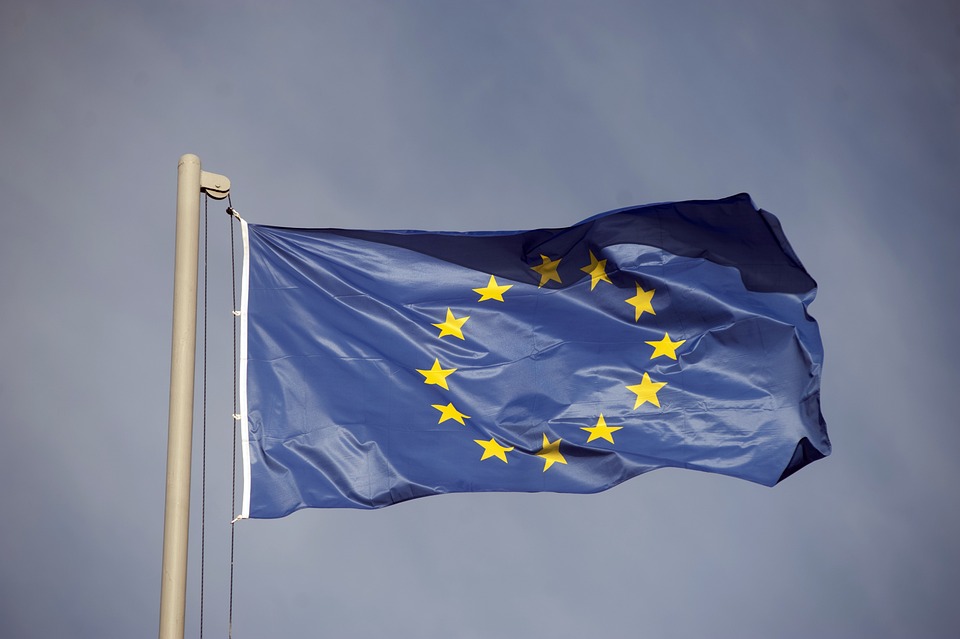
Representatives of the countries in the European Union are set to discuss a recent move by Poland and Hungary to temporarily ban food imports from Ukraine. Warsaw and Budapest are expected to offer an explanation for the move to ban agricultural imports from Ukraine.
A senior EU official said on Monday that representatives of the EU member countries are expected to discuss Poland and Hungary’s latest moves to temporarily ban agricultural imports from Ukraine. The official explained that low global prices and demand meant that the grain was staying within the bloc rather than being sold. The oversupply of Ukrainian grain turned into an issue by the ruling political party in Poland.
“We expect Poland and Hungary to offer some explanation and there will also be a reaction by the European Commission,” said the official. “There is an issue and we expect the European Commission to come up with a proposal on that. We’ll see what we can do in the coming weeks and months.”
The Ukrainian agriculture minister said Kyiv wants to reopen food and grain transit through Poland as the first step in talks in Warsaw on Monday.
Slovakia has also followed suit by temporarily banning agricultural imports from Ukraine, except for grain, over the same fears that the oversupply of Ukrainian imports has pushed prices down and put local farmers at risk.
Hungarian agriculture minister Sandor Farkas also warned that if the EU does not take sufficient action to protect Hungarian farmers, the temporary ban may be extended past June.
The bloc removed all duties on Ukrainian grain and introduced a “solidarity lane” to make sure that there are no global obstacles in global exports. This followed the brokering of the Black Sea Deal that ended the Russian blockade of all exports of Ukrainian agricultural products since the invasion.
The move, however, has drawn the ire of farmers across Eastern and Central Europe.
On the same day, the British defense ministry, in its intelligence bulletin, said Ukraine is reporting mine-related civilian casualties in territories previously occupied by Russia, such as Kharkiv and Kherson. The ministry said that this may likely increase as the season changes and as more people participate in agricultural activities.
The ministry said that since Russia’s invasion of Ukraine in February, there had been only 750 reported mine-related casualties among civilians. It might take at least a decade for Ukraine to be completely free of mines.













