


 Japanese Pharmaceutical Stocks Slide as TrumpRx.gov Launch Sparks Market Concerns
  Yen Slides as Japan Election Boosts Fiscal Stimulus Expectations
  Asian Markets Surge as Japan Election, Fed Rate Cut Bets, and Tech Rally Lift Global Sentiment
  Nikkei 225 Hits Record High Above 56,000 After Japan Election Boosts Market Confidence
  Gold and Silver Prices Rebound After Volatile Week Triggered by Fed Nomination
  Trump Signs Executive Order Threatening 25% Tariffs on Countries Trading With Iran
  UK Starting Salaries See Strongest Growth in 18 Months as Hiring Sentiment Improves
  Global Markets Slide as AI, Crypto, and Precious Metals Face Heightened Volatility
  Japan Economy Poised for Q4 2025 Growth as Investment and Consumption Hold Firm
  Australian Household Spending Dips in December as RBA Tightens Policy
  Australian Pension Funds Boost Currency Hedging as Aussie Dollar Strengthens
  Asian Currencies Stay Rangebound as Yen Firms on Intervention Talk
  Trump’s Inflation Claims Clash With Voters’ Cost-of-Living Reality
  RBI Holds Repo Rate at 5.25% as India’s Growth Outlook Strengthens After U.S. Trade Deal


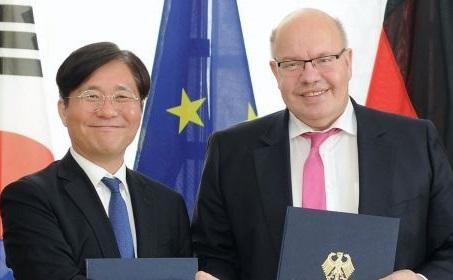
South Korea and Germany vowed via a virtual meeting to bolster cooperation in the energy sector towards the recovery of their virus-hit economies and helping each other achieve their climate goals.
According to the Ministry of Trade, Industry, and Energy, among the issues discussed between the energy and trade officials of both countries were green energy segments.
The meeting was a follow-up on the agreement between the two countries last December to launch working groups on economic issues related to trade, industry, and energy.
In May, the two countries vowed to expand cooperation in developing sustainable energy technology and phasing out nuclear power plants.
South Korea has set the goal of achieving a share of 30 to 35 percent of renewable energy by 2040.
South Korea is also eyeing an exit from nuclear power and in adopting Germany's energy efficiency policy.
Germany, which already covered over 40 percent of its gross electricity consumption from renewable sources as of their December meeting, can share its practical experience with South Korea.
Meanwhile, Germany can benefit from South Korea's experience with intelligent power grids, storage technologies, and hydrogen mobility.
Trade between South Korea and Germany over the first half of 2020 was worth US$14.5 billion, increasing 6 percent from the previous year.













