


 Trump Signs Executive Order Threatening 25% Tariffs on Countries Trading With Iran
  Weight-Loss Drug Ads Take Over the Super Bowl as Pharma Embraces Direct-to-Consumer Marketing
  Washington Post Publisher Will Lewis Steps Down After Layoffs
  CK Hutchison Launches Arbitration After Panama Court Revokes Canal Port Licences
  Rio Tinto Shares Hit Record High After Ending Glencore Merger Talks
  Yen Slides as Japan Election Boosts Fiscal Stimulus Expectations
  TrumpRx Website Launches to Offer Discounted Prescription Drugs for Cash-Paying Americans
  SpaceX Prioritizes Moon Mission Before Mars as Starship Development Accelerates
  SoftBank Shares Slide After Arm Earnings Miss Fuels Tech Stock Sell-Off
  Missouri Judge Dismisses Lawsuit Challenging Starbucks’ Diversity and Inclusion Policies
  China Extends Gold Buying Streak as Reserves Surge Despite Volatile Prices
  Toyota’s Surprise CEO Change Signals Strategic Shift Amid Global Auto Turmoil
  Prudential Financial Reports Higher Q4 Profit on Strong Underwriting and Investment Gains
  Indian Refiners Scale Back Russian Oil Imports as U.S.-India Trade Deal Advances
  Global Markets Slide as AI, Crypto, and Precious Metals Face Heightened Volatility
  India–U.S. Interim Trade Pact Cuts Auto Tariffs but Leaves Tesla Out
  Trump Backs Nexstar–Tegna Merger Amid Shifting U.S. Media Landscape


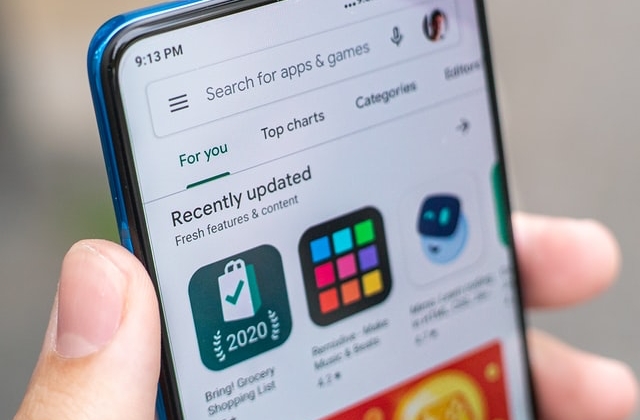
Google’s Play Store and Apple’s App Store’s in-app billing system are expected to be banned in South Korea soon as the country’s law-giving body is set to pass a bill for this. It was revealed on Wednesday, Aug. 25, that the officials will disallow the American tech companies from forcing app developers to use the payment systems on their app platforms.
As per Yonhap News Agency, the legislation and judiciary committee of the National Assembly gave the go signal for the revision of the country’s Telecommunications Business Act. The request for revision was submitted to prohibit app market operators from requiring application developers from using preferred payment systems.
It was added that an Anti-Google Law was forwarded to the highest legislature in August 2020, and this resulted from the tech firm’s announcement that it will require app developers to use Google Play’s billing system and impose a 30% commission on in-app purchases.
Once the amendment to ban the in-app billing system is approved, South Korea will become the very first nation to have such a bill that illegalizes tech company’s in-app billing policies. Earlier this year, Google lowered the commission fees to 15% for the first $1 million earnings of the developers, and Apple also cut its rate in response to the growing pressure on them.
Pulse News reported that under the revision, app market operators like Google and Apple must allow third-party payment systems on their app stores. The firms will also be prohibited from unfairly deleting apps or delaying evaluation for developers in S. Korea. This means that the developers should be given options and freely choose a payment system to use for billing transactions.
Meanwhile, it is not just South Korea that is looking into these in-app billing policies, and in fact, the regulatory commissions in Germany and the United Kingdom have also launched a probe into Apple’s in-app billing practices. Amid the scrutiny and investigations, both Google and the iPhone maker did not release statements regarding the developments, but they have previously expressed concerns over Korea's new regulations.













