


 Yen Slides as Japan Election Boosts Fiscal Stimulus Expectations
  Anta Sports Expands Global Footprint With Strategic Puma Stake
  Vietnam’s Trade Surplus With US Jumps as Exports Surge and China Imports Hit Record
  Oil Prices Slip as U.S.-Iran Talks Ease Middle East Tensions
  Samsung Electronics Shares Jump on HBM4 Mass Production Report
  Trump Backs Nexstar–Tegna Merger Amid Shifting U.S. Media Landscape
  SoftBank Shares Slide After Arm Earnings Miss Fuels Tech Stock Sell-Off
  Dow Hits 50,000 as U.S. Stocks Stage Strong Rebound Amid AI Volatility
  The pandemic is still disrupting young people’s careers
  Why financial hardship is more likely if you’re disabled or sick
  Asian Currencies Stay Rangebound as Yen Firms on Intervention Talk
  Nikkei 225 Hits Record High Above 56,000 After Japan Election Boosts Market Confidence
  Australian Household Spending Dips in December as RBA Tightens Policy
  Why have so few atrocities ever been recognised as genocide?
  Global Markets Slide as AI, Crypto, and Precious Metals Face Heightened Volatility
  Japan Economy Poised for Q4 2025 Growth as Investment and Consumption Hold Firm
  Yes, government influences wages – but not just in the way you might think


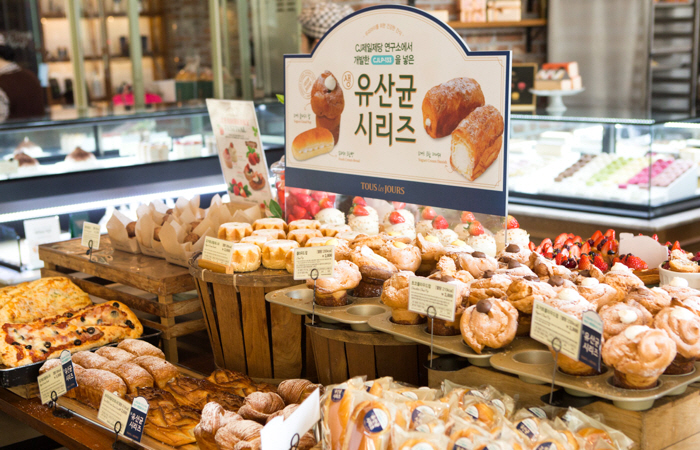
Bakeries and noodle restaurants in South Korea are struggling with the spike in the price of flour and other ingredients since last year.
Unlike large conglomerates that purchase flour in bulk before the price goes up, minimizing price fluctuation impact, many small businesses do not buy and store flour in advance and are consequently exposed to the risk.
Bae Deok-jung, a 44-year-old owner of a Chinese restaurant in Seoul, noted that they do not buy ingredients and store them in advance because of a lack of space.
The price of kalguksu or hand-rolled noodles in Seoul jumped 4.6 percent from 7,615 won in December to 7,962 won in February. From February 2021, the price has soared by 8..9 percent, according to the Korea Consumer Agency.













