


 Trump's FY2027 Budget: Major Defense Boost and Domestic Spending Cuts
  California's AI Executive Order Pushes Responsible Tech Use in State Contracts
  March 2025 Jobs Report: Strong Headline Numbers Hide Deeper Economic Concerns
  Asian Currencies Weaken as Dollar Rebounds Amid Middle East Escalation
  MATCH Act Targets ASML and Chinese Chipmakers in New U.S. Export Crackdown
  Japan Signals Readiness to Intervene as Yen Weakens Toward 160 Per Dollar
  RBI Clamps Down on Rupee NDF Activity, Banks Face Steeper Losses
  OpenAI Executive Shake-Up Ahead of Anticipated 2026 IPO
  SpaceX IPO Filing Expected This Week as Valuation Could Surpass $75 Billion
  Gold Prices Surge as U.S.-Iran Ceasefire Talks Spark Market Optimism
  AWS Bahrain Region Disrupted by Drone Activity Amid Middle East Conflict
  Makemation: a Nollywood movie that shows AI in action in Africa
  Vietnam GDP Growth Slows in Q1 2026 Amid Middle East Oil Crisis
  China's Energy Resilience Shields Economy From Global Oil Shock, Goldman Sachs Says
  South Korea's Inflation Rises Modestly in March Amid Oil Price Pressures
  Asian Stocks Drop as Trump Signals Iran War Escalation
  Iran's Stranglehold on the Strait of Hormuz: What It Means for Global Markets


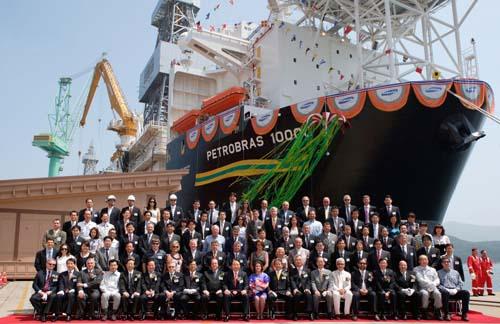
Samsung Heavy Industries Co. has agreed to pay US$149 million in a leniency settlement with Brazilian state prosecutors and auditors over a graft probe surrounding the company's drillship orders.
The company settled with Brazil's Office of the Comptroller General, Office of the Attorney General, and the Federal Prosecutor's Office by also accepting the investigation results of a criminal case involving a broker.
In return, the Brazilian authorities will not pursue further legal or administrative actions against Samsung Heavy.
Samsung Heavy Industries was implicated in a corruption scandal involving Brazil's state-owned oil firm Petrobras after a broker between the two entities was found to made bribes using commission fees.
The South Korean shipbuilder signed deals with Petrobras from 2006 and 2007 to provide three drillships that were delivered between 2009 and 2011.







