


 FDA Pilot Program Eases Rules for Nicotine Pouch Makers
  Trump Administration Releases New UFO Files and Apollo Mission Records
  Cogent Biosciences Soars 120% on Breakthrough Phase 3 Results for Bezuclastinib in GIST Treatment
  Senate Sets December 8 Vote on Trump’s NASA Nominee Jared Isaacman
  Blue Origin New Glenn Rocket Explodes During Launch Pad Test, Delaying Space Ambitions
  SpaceX Delays Starship V3 Launch Ahead of Potential Record IPO
  Neuralink Plans High-Volume Brain Implant Production and Fully Automated Surgery by 2026
  SpaceX’s Starship Completes 11th Test Flight, Paving Way for Moon and Mars Missions
  Blue Origin’s New Glenn Achieves Breakthrough Success With First NASA Mission
  Trump and Merck KGaA Partner to Slash IVF Drug Costs and Expand Fertility Coverage
  Trump Administration to Launch Autism Initiatives Targeting Acetaminophen Use and New Treatment Options
  Is space worth the cost? Accounting experts say its value can’t be found in spreadsheets


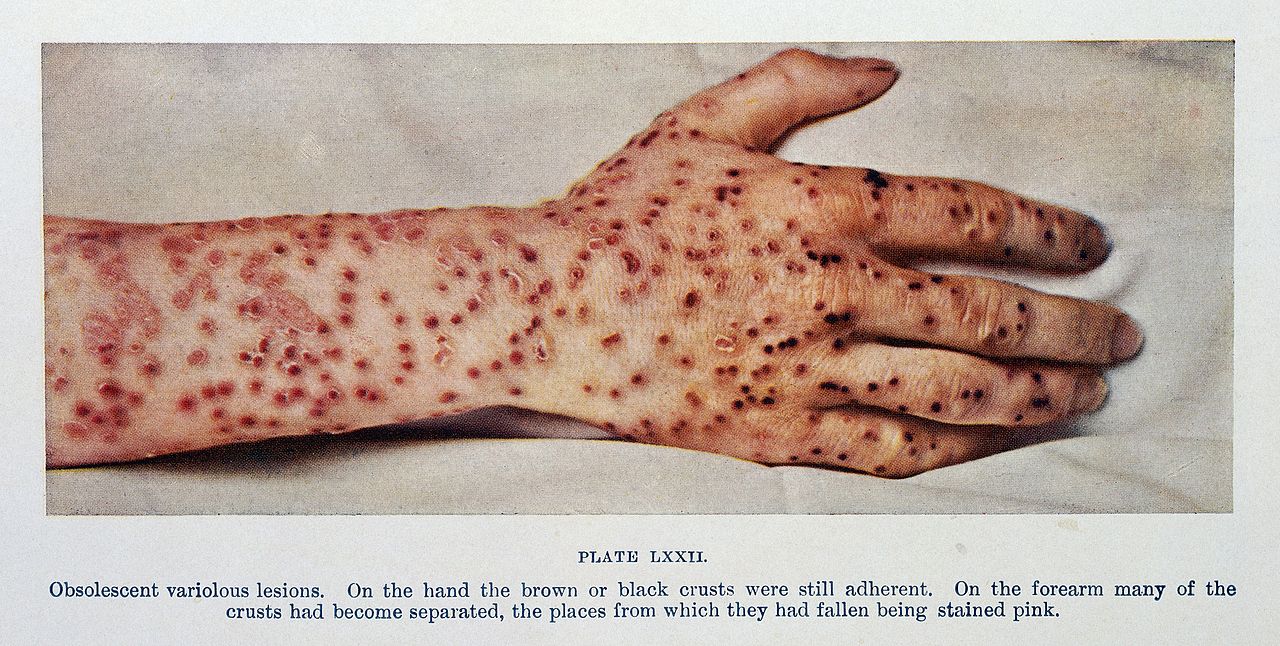
Smallpox was one of the most dangerous and highly contagious diseases that the world has ever known. Prior to its eradication, the illness claimed over one billion lives. Vaccination has played a major role in finally ridding the human race of smallpox. However, scientists recently proved that it can be revived quite easily and for a relatively small amount of only $100,000.
As financial matters go, $100,000 might not seem cheap, but it’s a pittance compared to the funding that governments and private organizations funnel into their scientific research. What’s more, radical groups and terrorist chapters are known for having deep pockets. Weaponized smallpox would be a devastating weapon and Canadian scientists recently proved that it can be done, The Verge reports.
To be clear, the organism that the research group led by virologist David Evans revived was not smallpox, but its cousin horsepox. With a limited budget to work with and garden variety tools, the team managed to resurrect a rather harmless piece of history.
As far as scientific pursuits go, this development is a wonder. For researchers to make such an achievement with no considerable funding or specialized equipment is simply masterful.
On the other hand, it also puts the world in grave danger. As Science magazine put it, getting rid of smallpox took decades of effort and billions of dollars in funding, not to mention the lives lost in the process. The idea that individuals with nefarious purposes can undo so much work with nothing more than what amounts to the costs of a luxury car and order supplies online is alarming, to say the least.
For Dr. Evans and his team, what they were hoping to achieve is to unlock the secrets of the smallpox vaccine and create a better, more powerful one. Unfortunately, good intentions have never prevented those with evil schemes from using scientific advances to further their own ends.







