


 Blue Origin’s New Glenn Achieves Breakthrough Success With First NASA Mission
  Eli Lilly’s Inluriyo Gains FDA Approval for Advanced Breast Cancer Treatment
  Neuralink Plans High-Volume Brain Implant Production and Fully Automated Surgery by 2026
  NASA's Artemis II Mission: First Crewed Lunar Journey Since Apollo
  Trump Signs Executive Order to Boost AI Research in Childhood Cancer
  Trump Administration Releases New UFO Files and Apollo Mission Records
  NASA Artemis II: First Crewed Moon Mission Since Apollo Takes Four Astronauts on 10-Day Lunar Journey
  SpaceX’s Starship Completes 11th Test Flight, Paving Way for Moon and Mars Missions
  FDA Adds Fatal Risk Warning to J&J and Legend Biotech’s Carvykti Cancer Therapy
  Cogent Biosciences Soars 120% on Breakthrough Phase 3 Results for Bezuclastinib in GIST Treatment
  Tabletop particle accelerator could transform medicine and materials science
  SpaceX Pivots Toward Moon City as Musk Reframes Long-Term Space Vision
  Blue Origin New Glenn Rocket Explodes During Launch Pad Test, Delaying Space Ambitions
  Trump Administration to Launch Autism Initiatives Targeting Acetaminophen Use and New Treatment Options


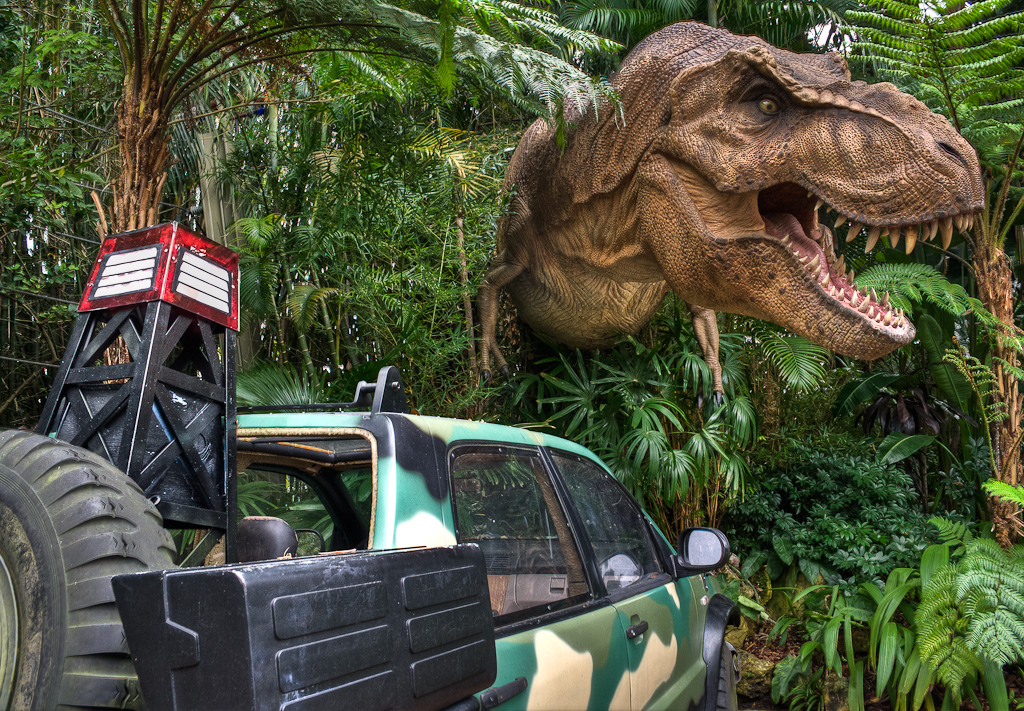
Reviving an extinct species or a whole batch of them is not a foreign concept to humans. Films like Jurassic Park and Splice have showcased what it would be like to completely resurrect dead organisms or create an entirely new one. Now, it would seem that scientists are thinking of actually making this happen in order to save the planet; or rather, save humanity.
The planet’s history is formally divided into different eras based several factors, but the organisms and the Earth’s conditions usually play a huge role. In according to the dominance of humankind of the planet, geologists are proposing to call the current era Anthropocene, Futurism reports. Incidentally, one of the most notable events to occur in this era is the extinction of more than two-thirds of the planet’s wildlife.
In response to the growing issue, scientists are actually proposing the revival of certain species that are considered beneficial to the ecosystem. University of California, Santa Barbara ecologists have even published guidelines on which species are worth bringing back from extinction and how to go about it. The basic premise is to bring back balance in nature, which is constantly threatened by the continuous encroachment of humanity into wild territory.
Now, it’s mentioning that numerous species go extinct all the time, even without the interference of humans. However, rarely has mass extinction occurred due to the presence of a single dominant force in the world’s various ecosystems than when humanity became the supreme species millennia ago.
This is a problem because the loss of so many species and animals can be a destabilizing catalyst, which could have devastating consequences for Earth. Animals won’t be the only ones affected. Humans will feel the brunt of the impact as well.
As to whether or not this is even possible, the simple answer is yes, yes it is. Thanks to the introduction of the gene-editing tool CRISPR, humanity has been given an incredibly powerful tool with limitless potential. Bringing back a dead species is just a matter of time.







